
Photo gallery
12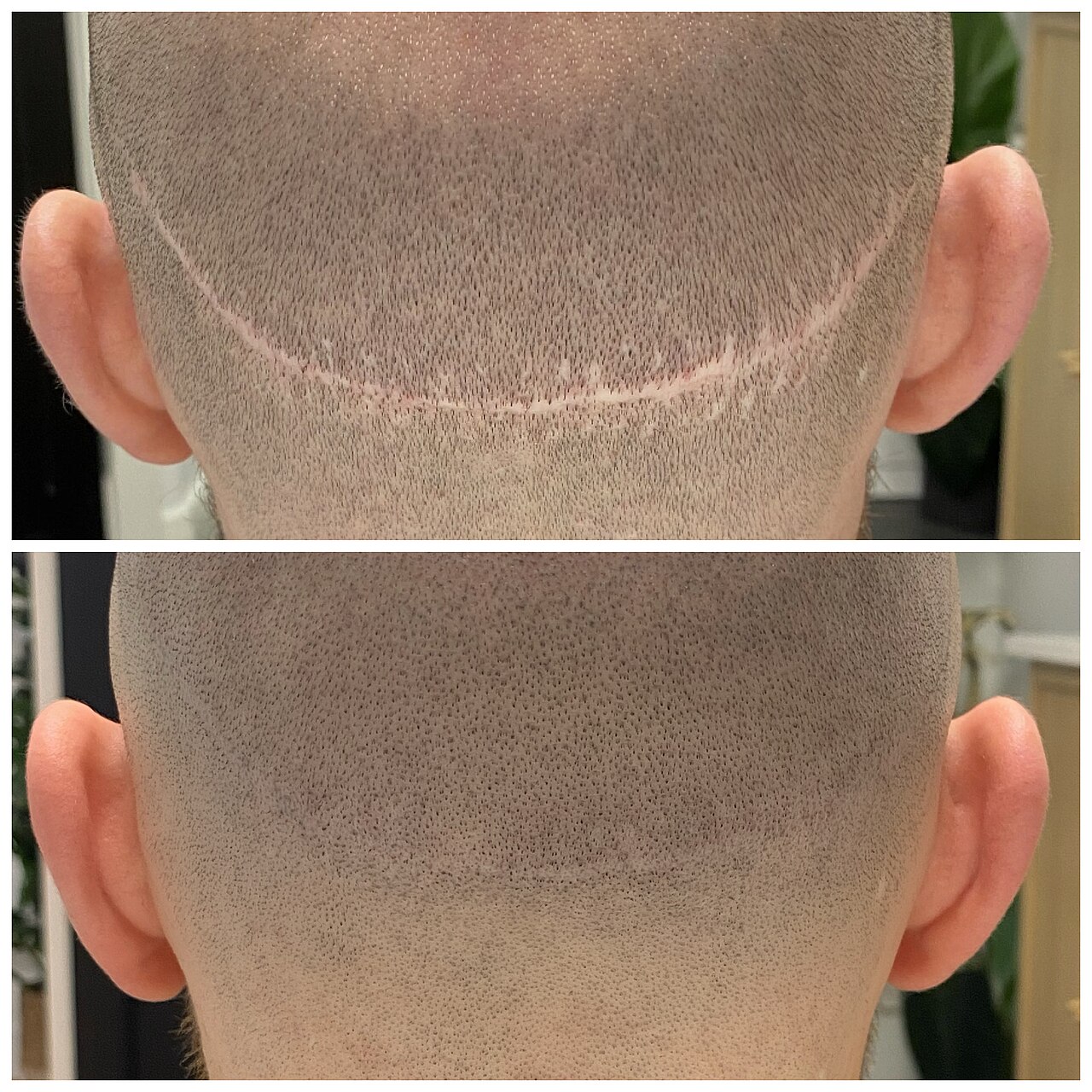
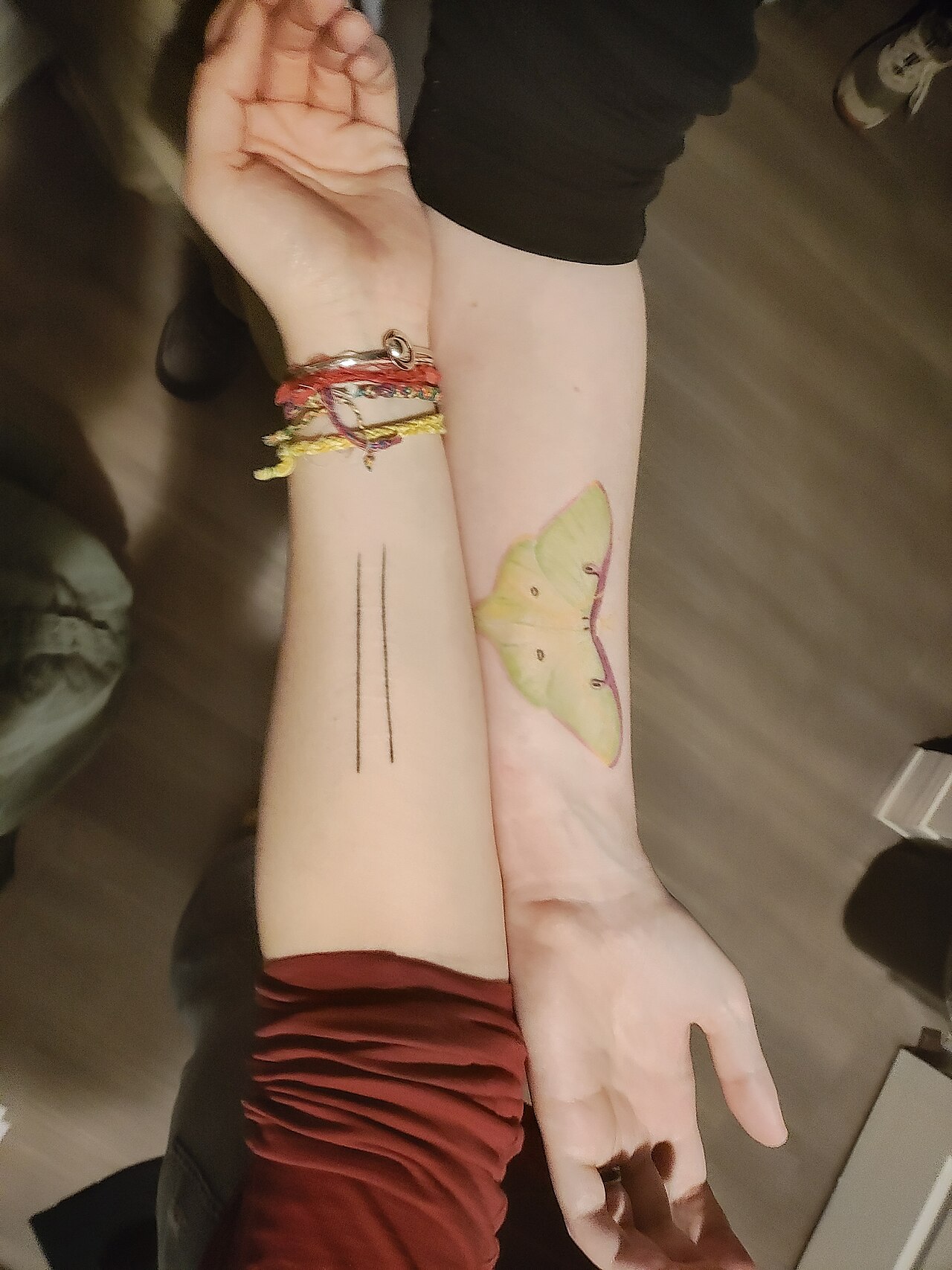
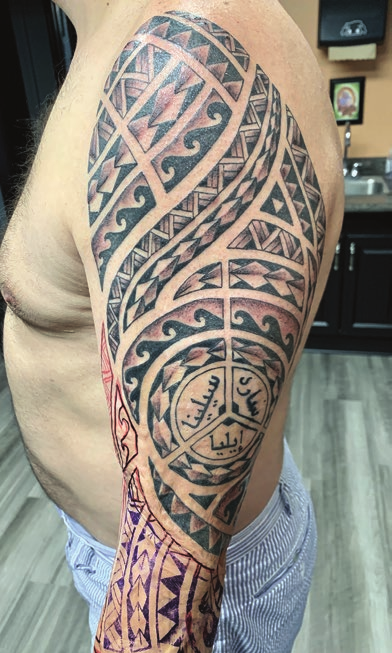
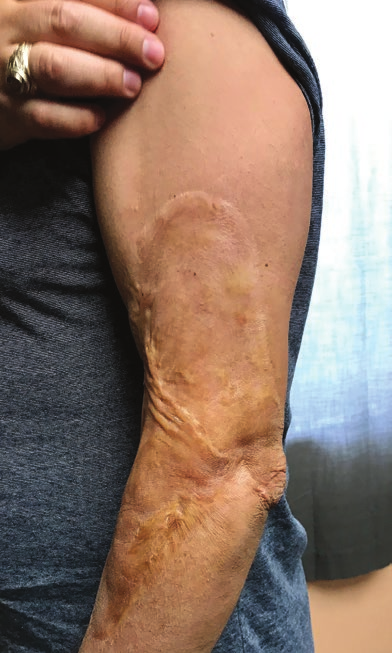
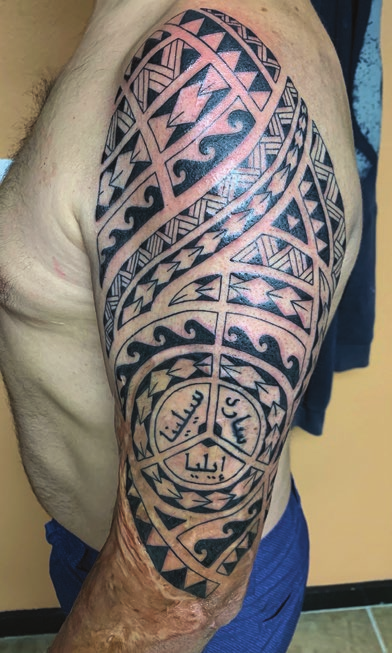
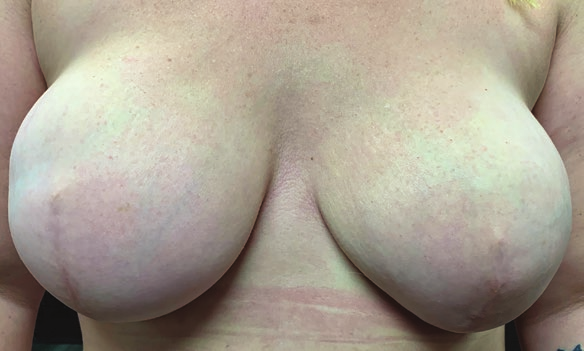
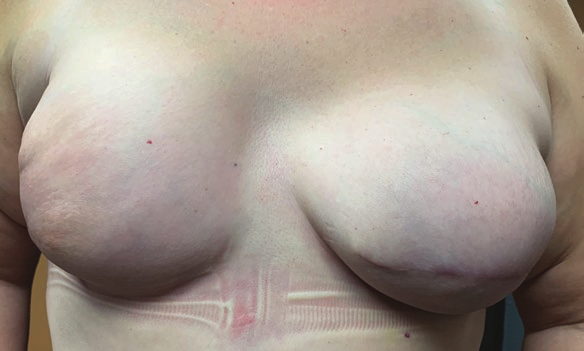
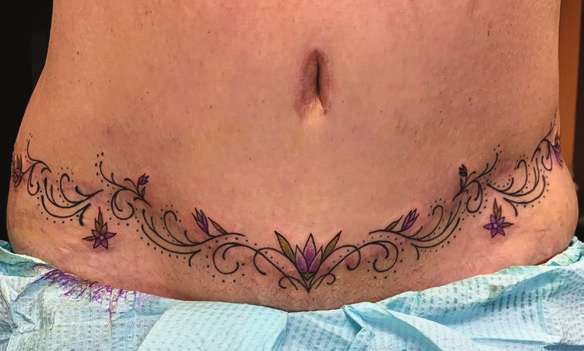
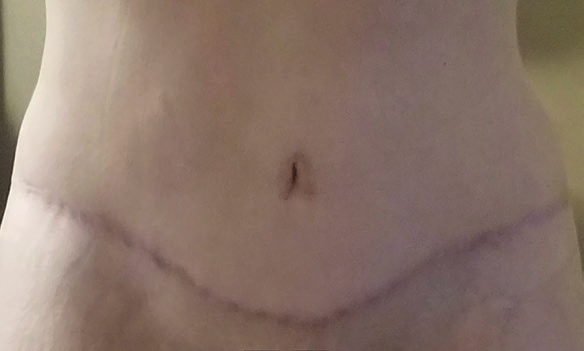
Scar camouflage is an innovative micropigmentation technique that allows for the concealment of marks on the skin, creating a visual effect that makes them less noticeable. This practice has become increasingly popular among those looking to improve their appearance and regain confidence in their skin. At bodibook.com, we delve deeply into this technique, its styles, care, and current trends, so you can make an informed decision.
What is Scar Camouflage?
Scar camouflage involves the application of pigments on the skin that resemble the natural tone of the dermis, with the aim of hiding scars, marks, or imperfections. This technique is particularly effective for scars from wounds, burns, or surgical interventions. By using micropigmentation tools, a finish is achieved that harmoniously integrates with the surrounding skin.
The process involves a prior evaluation of the scar and the selection of the appropriate color to ensure an optimal result. It is important that the procedure is performed by a qualified professional to ensure the best technique and the use of quality products.
Styles and Types of Camouflage
There are different styles of scar camouflage, depending on the type of scar and the technique used. Some of the most common approaches include:
- 3D Camouflage: Uses shadows and highlights to create an illusion of depth.
- Uniform Coloring: A tone is applied that matches the color of the surrounding skin.
- Texturization: The texture of the skin is recreated for a more natural finish.
Each of these styles can be adapted to the specific needs of the client, ensuring personalized and satisfactory results.
Location and Application Techniques
Scar camouflage can be performed on various parts of the body, being more common in visible areas such as arms, legs, abdomen, and face. The choice of area will depend on the location of the scar and the client's preferences.
Application techniques vary, but generally include the use of a micropigmentation machine that inserts the pigment into the superficial layers of the skin. It is crucial that the professional has experience in this type of procedure to achieve a natural and lasting finish.
Post-Procedure Care
After performing scar camouflage, it is essential to follow certain recommendations to ensure proper healing and maintenance of color. Some tips include:
- Avoid direct sun exposure during the first few weeks.
- Use moisturizing creams recommended by the specialist.
- Do not scratch or rub the treated area.
- Attend follow-up appointments to evaluate the results.
These care tips are essential to maximize the effectiveness of the treatment and ensure that the scar integrates perfectly with the rest of the skin.
Trends and Inspiration
Scar camouflage has gained popularity in recent years, becoming a trend in the world of aesthetics. More and more people are seeking this technique not only to hide scars but also as a form of personal empowerment. Social media and platforms like bodibook.com offer a wide gallery of real examples that can serve as inspiration.
From acne scars to surgical marks, the possibilities are endless. Professionals share their work and results, allowing interested individuals to visualize the positive impact this type of micropigmentation can have on self-esteem and personal image.
If you are considering scar camouflage, we invite you to explore the galleries at bodibook.com. You will find examples, professionals, and all the information you need to take the step towards more even skin and greater self-confidence.