
Photo gallery
3
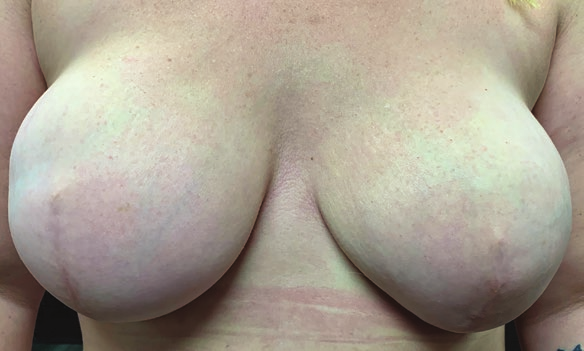
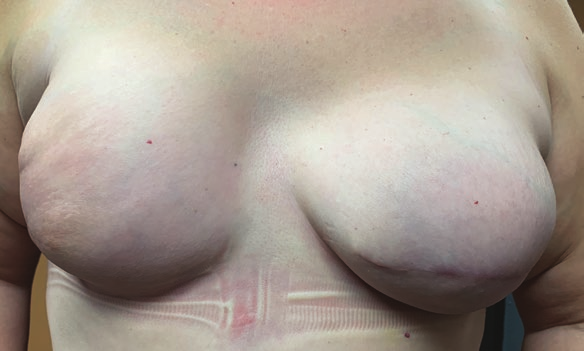
Scar camouflage is a micropigmentation technique that allows for the concealment of skin marks, restoring confidence to those who bear them. This practice has become a popular option for many individuals looking to enhance their appearance and hide scars from various origins, whether surgical, accidental, or even acne-related. At bodibook.com, we offer a gallery of impressive before and after results, where you can appreciate the effectiveness of this technique.
What is Scar Camouflage?
Scar camouflage involves applying pigments to the skin to match the scar's tone with that of the surrounding skin. This technique is especially useful for scars that are lighter or darker than the patient's skin tone. Micropigmentation is performed through a procedure that uses fine needles to deposit the pigment in the superficial layers of the skin, creating a visual effect that minimizes the appearance of the scar.
Results may vary depending on the type of scar and the skill of the professional, but in many cases, camouflage can make scars virtually invisible. In our before and after gallery, you can see real examples of how this technique transforms the appearance of the skin.
Styles and Types of Scar Camouflage
There are different styles and techniques of scar camouflage, depending on the nature of the scar and the client's preferences. Some of the most common styles include the use of specific pigments to match skin tone, as well as shading techniques that can help add depth and texture to the treated area.
- Surgical Scar Camouflage: Ideal for operation scars, where the goal is to match the skin tone.
- Acne Scar Camouflage: Used to soften and conceal acne marks, improving the overall appearance of the skin.
- Burn Scar Camouflage: Specific techniques are applied to restore the color and texture of the affected skin.
Location and Application Techniques
Scar camouflage can be performed on various parts of the body, with the most common areas being the face, arms, and legs. The choice of location will depend on the scar and the client's desire. The application technique may vary, but generally, a micropigmentation device is used that allows for precise control over the amount of pigment deposited.
It is essential that the procedure is performed by a qualified professional to ensure optimal results. This includes a prior assessment of the scar and the surrounding skin, as well as the selection of pigments that suit the client's needs.
Post-Treatment Care Tips
After undergoing a scar camouflage treatment, it is crucial to follow some care guidelines to ensure that the results last over time. It is recommended to avoid sun exposure in the treated area for at least two weeks, as well as to use moisturizers and sunscreens to protect the skin.
Additionally, it is important not to scratch or exfoliate the area during the healing process. Following the instructions of the professional who performed the treatment will ensure that the camouflaged scar remains in its best possible condition.
Trends and Inspiration
Scar camouflage has gained popularity in recent years, especially among individuals looking to improve their self-esteem. Social media and platforms like bodibook.com have allowed more people to learn about this technique and find inspiration in the results of others. The trend is expanding not only among those with scars but also among those who wish to experiment with micropigmentation as a form of body art.
In our before and after gallery, you will find a variety of cases showcasing the diversity of scars and the results that can be achieved. Inspiration is at your fingertips, and each image tells a story of transformation and empowerment.
If you are considering scar camouflage, we invite you to explore more about this technique at bodibook.com. Discover our before and after gallery and find the inspiration you need for your next step in the world of body art.