
Tattoo Removal
16 photos
Discover tattoo removal methods, including laser. Get inspired by our galleries and learn more about this discipline.
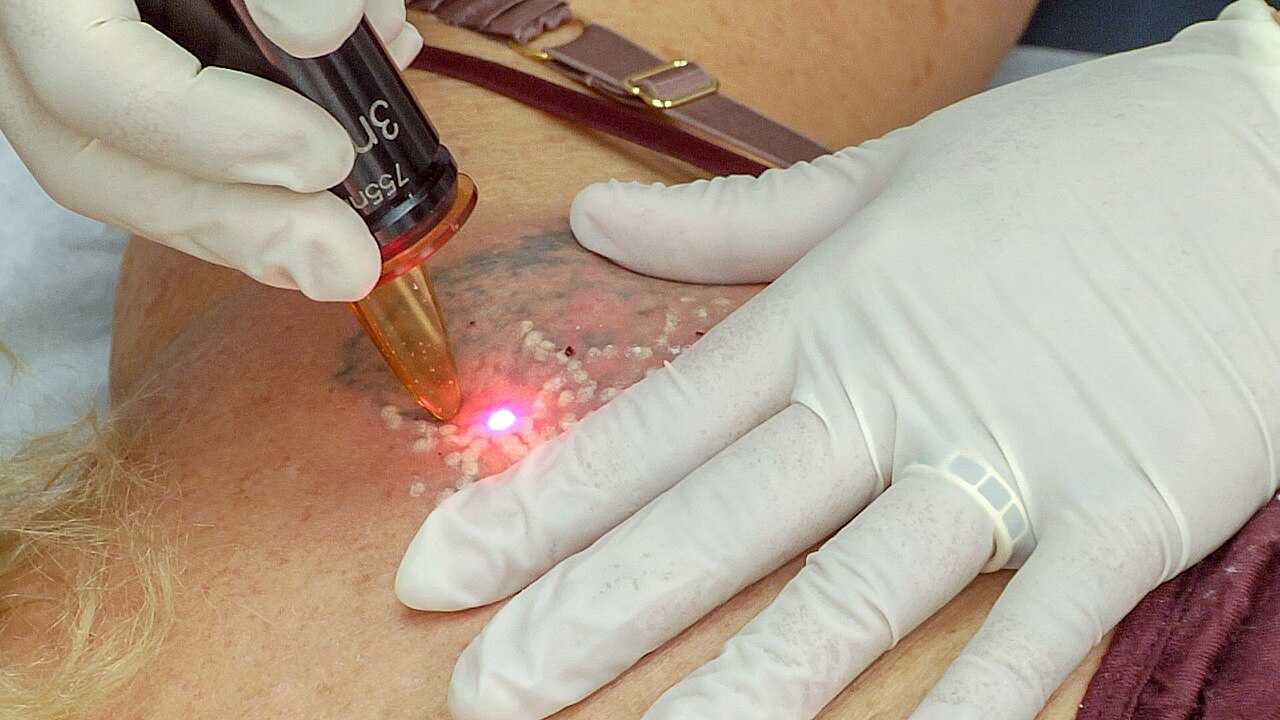
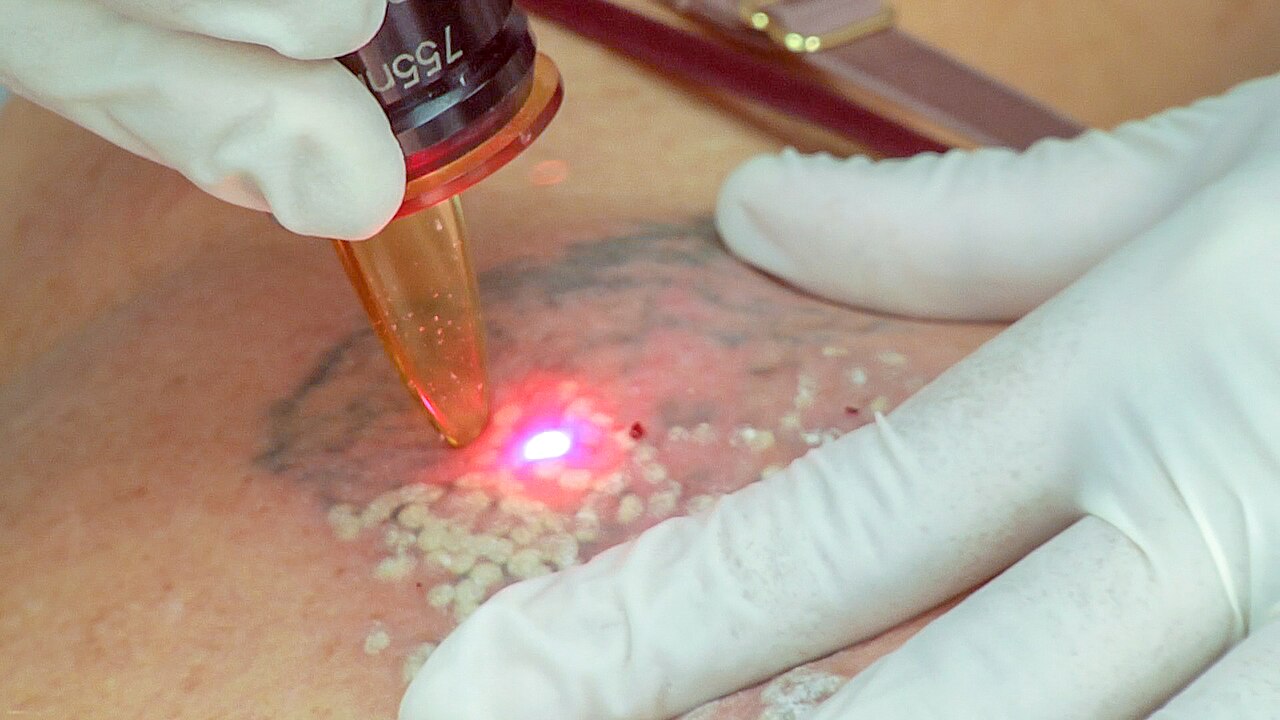
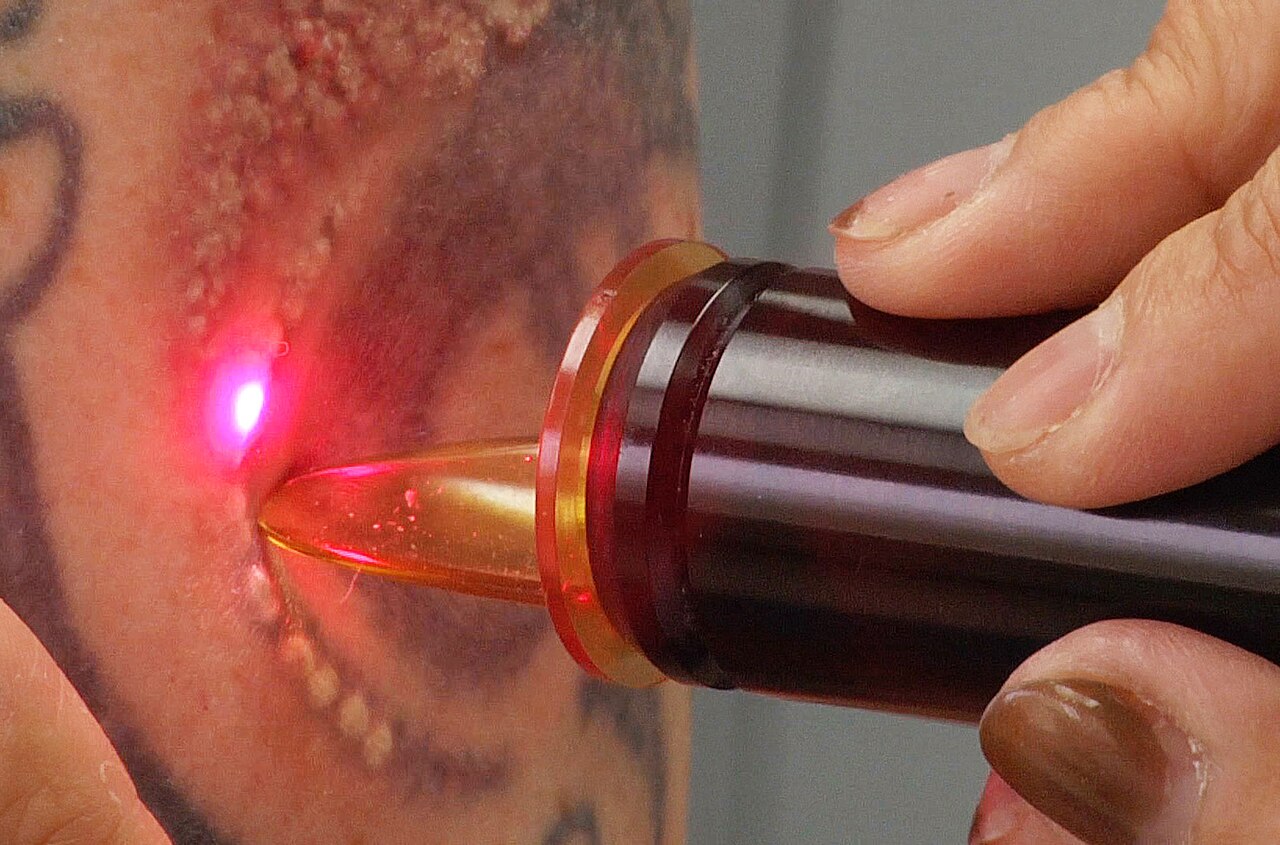

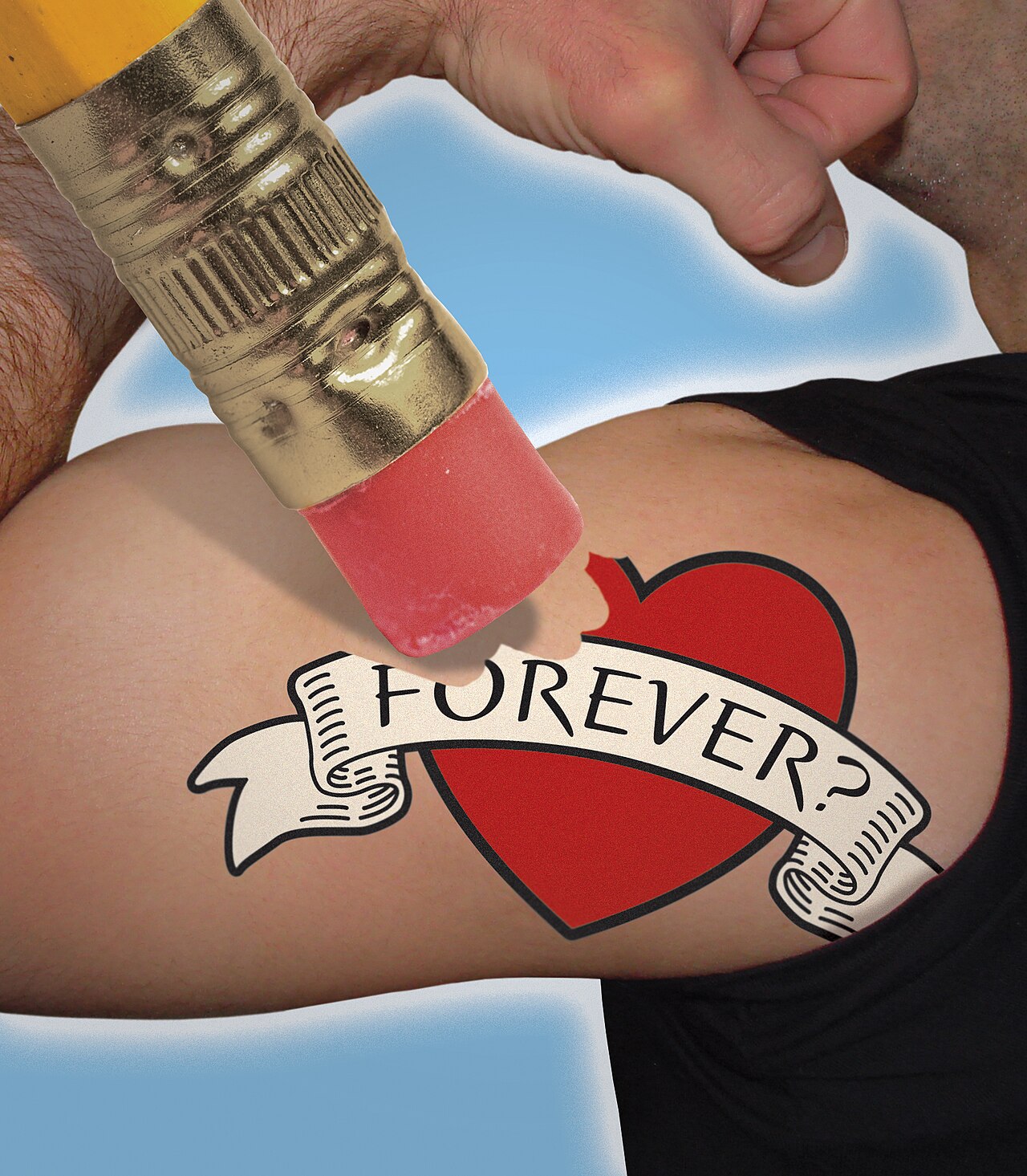
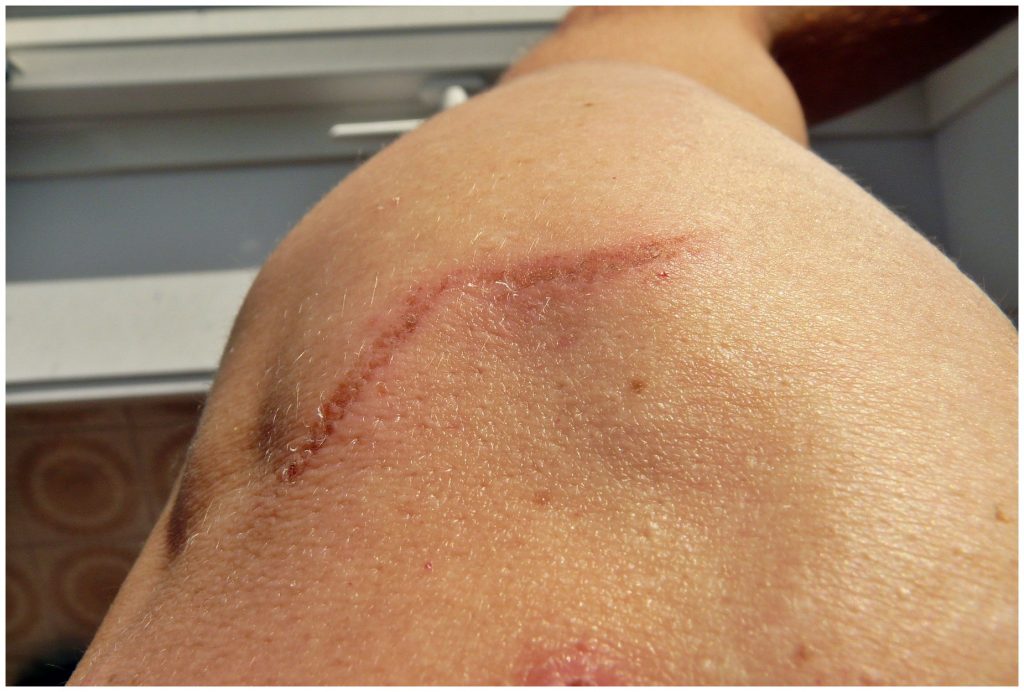

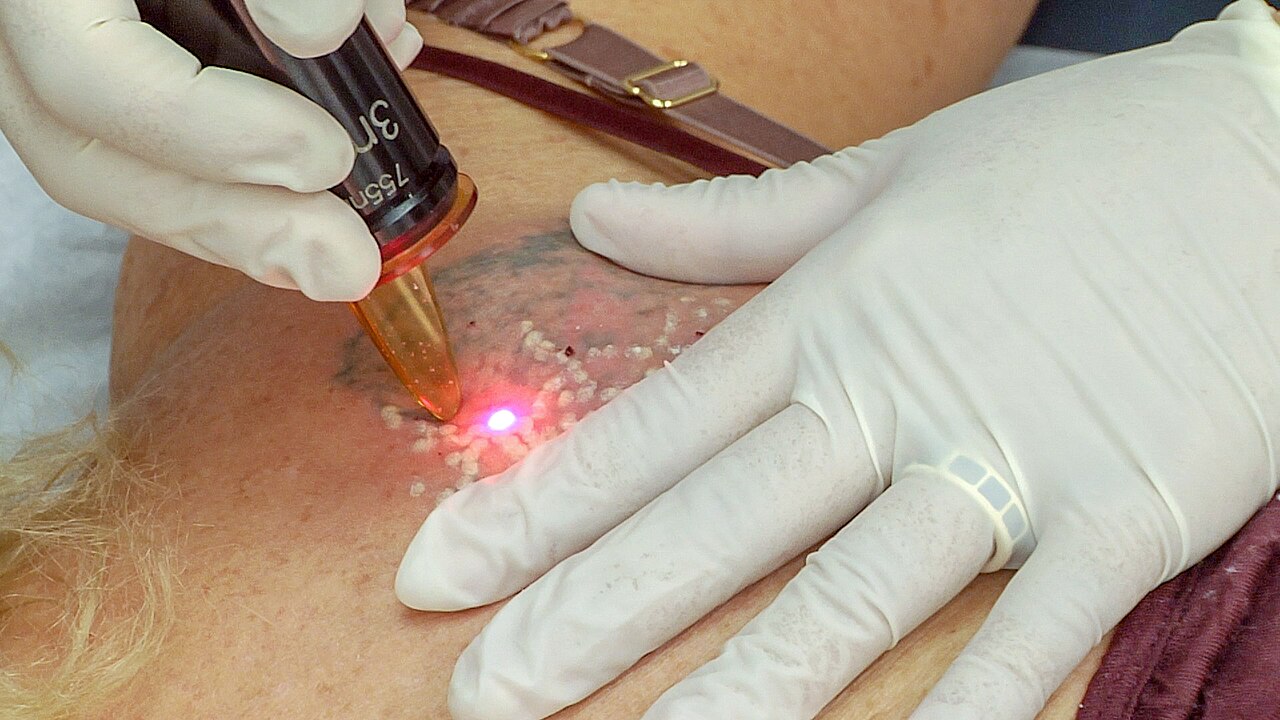
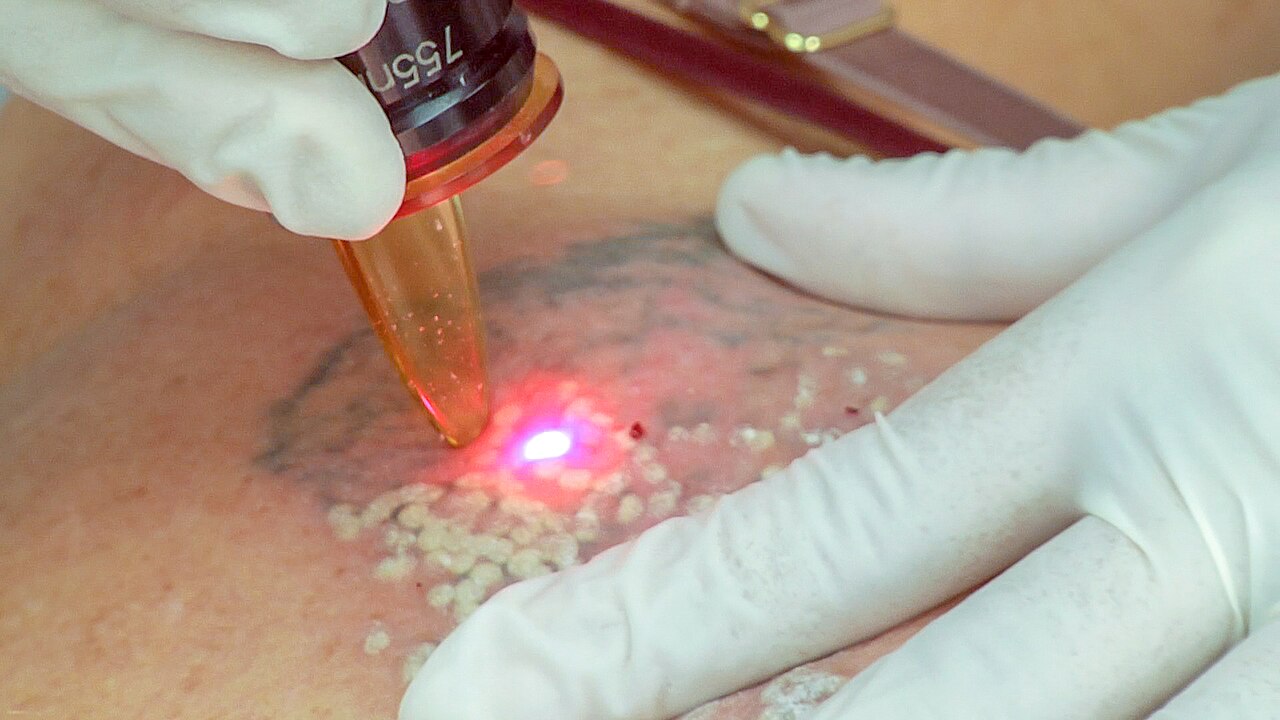
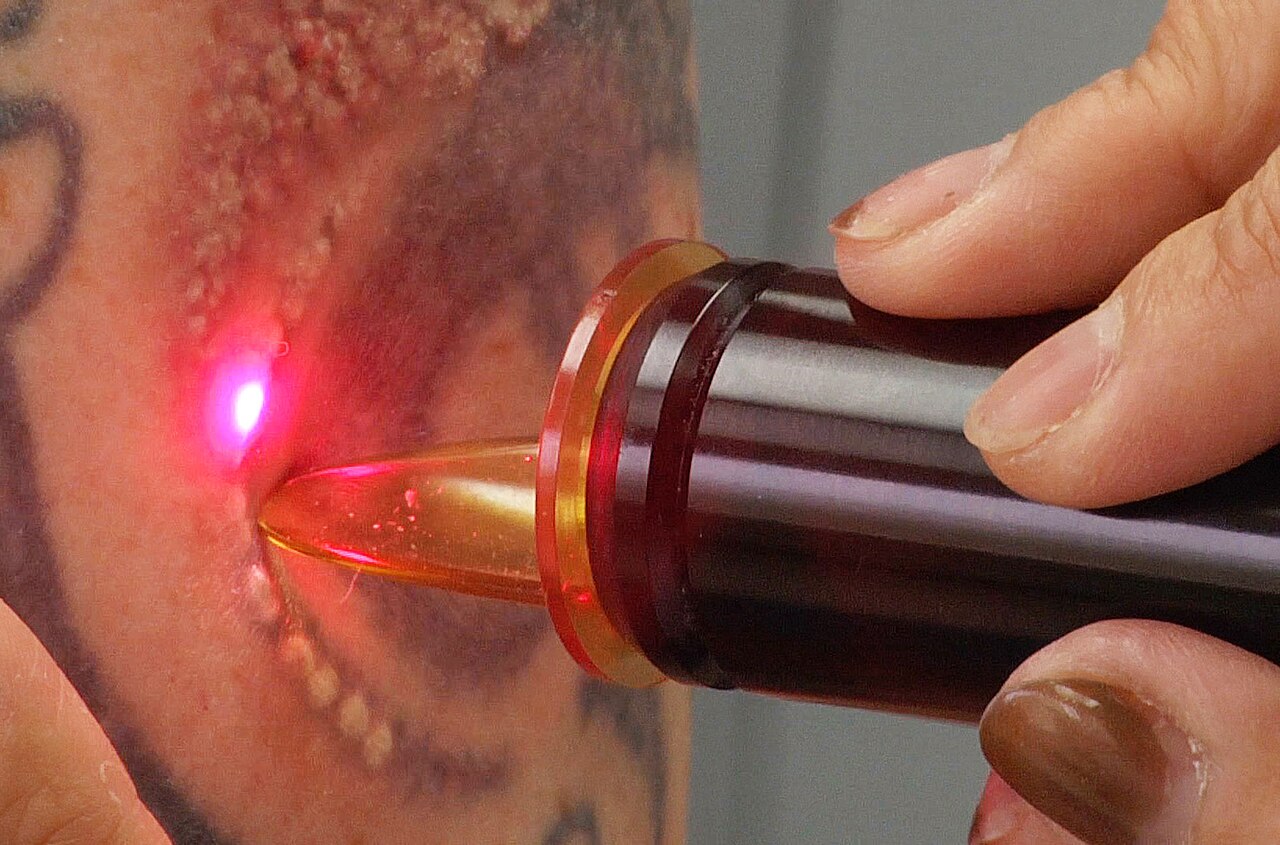

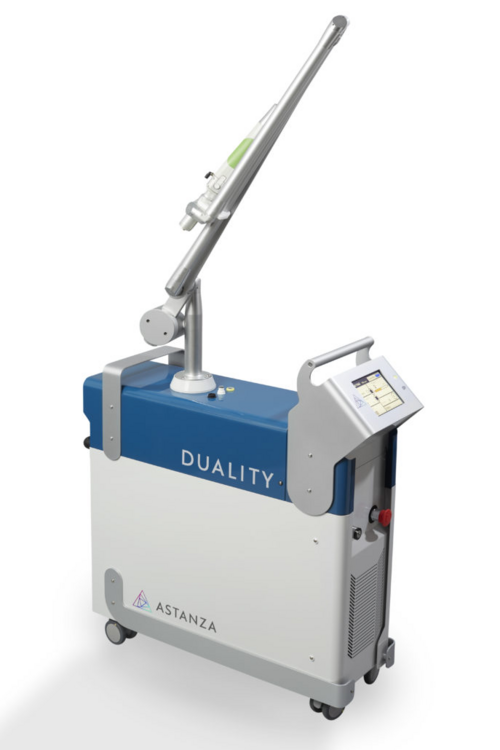
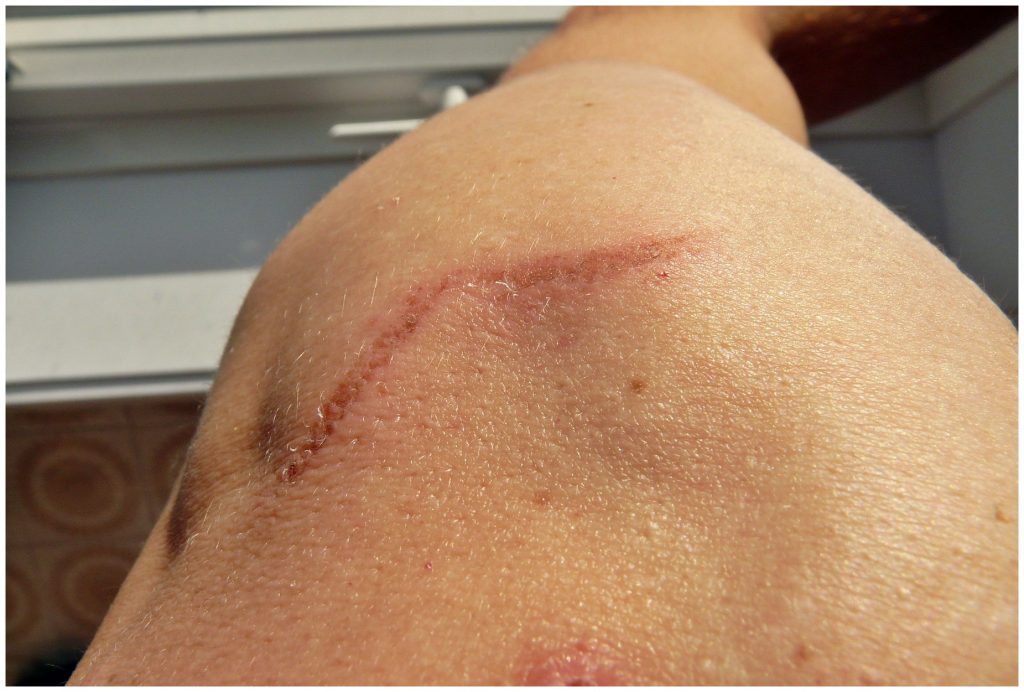

Tattoo removal is a process that has gained popularity in recent years. As more people choose to get rid of their tattoos, whether for personal, professional, or aesthetic reasons, various techniques have been developed to achieve this effectively. On this page, we will explore the different methods of tattoo removal, their characteristics, aftercare, and current trends in this field.
What is Tattoo Removal?
Tattoo removal refers to a series of procedures designed to erase or diminish the appearance of a tattoo on the skin. These procedures can vary depending on the technique used and the type of ink in the tattoo. Removal can be total or partial, and it is important for individuals interested in this process to be well-informed about the available options.
There are multiple reasons why someone may decide to remove a tattoo. Some of the most common include changes in personal life, regret, or simply the desire to have skin free of marks. Regardless of the reason, it is essential to consult experienced professionals to ensure a safe and effective treatment.
Tattoo Removal Techniques
Among the most commonly used techniques for tattoo removal, laser is undoubtedly the most popular. This method uses intense light pulses to break down the ink particles in the skin, allowing the body to eliminate them naturally. However, there are other options, such as dermabrasion and surgical excision.
- Laser: Effective for most types of ink and colors.
- Dermabrasion: Involves exfoliating the upper layers of the skin.
- Surgical Excision: The tattoo is removed through surgery, ideal for small tattoos.
Each technique has its own advantages and disadvantages, and the choice of the appropriate method will depend on factors such as the size, location, and age of the tattoo.
Aftercare Following Removal
Aftercare is crucial to ensure that the tattoo removal process is successful and that the skin recovers properly. After any treatment, it is common to experience redness, swelling, and some discomfort in the treated area.
Specialists usually recommend keeping the area clean and applying moisturizers or specific ointments to aid in healing. Additionally, it is essential to avoid sun exposure and not to scratch the area to prevent infections and ensure optimal recovery.
Trends in Tattoo Removal
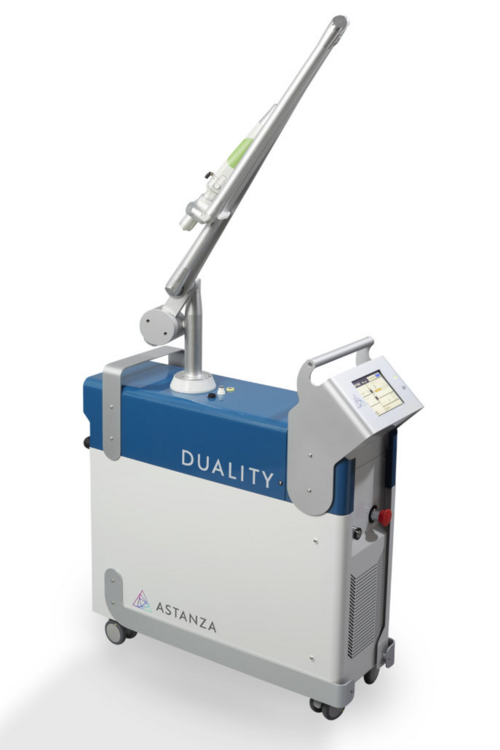
Currently, tattoo removal has evolved thanks to technology and research. New methods and devices are being constantly developed, allowing for faster and less painful results. For example, the use of state-of-the-art lasers has significantly reduced treatment time and the number of sessions required.
Moreover, there is a growing interest in using less invasive and more natural treatments, which has led to research into alternatives such as chemical removal and the application of products that help break down the ink without damaging the skin.
Inspiration and Tattoo Removal Galleries
If you are considering tattoo removal, you may want to see examples of real cases for inspiration. At bodibook.com, we offer a wide gallery of before and after photos of tattoo removal treatments. These images can give you an idea of what to expect and help you make an informed decision about the process.
Exploring the experiences of others who have gone through this process can be comforting and motivating. We invite you to visit our galleries at bodibook.com to learn more about tattoo removal and find the inspiration you need.