
Henna: Temporary Body Art
72 photos
Discover the beauty of temporary body art with natural henna. Explore unique designs in our gallery.
Estilo
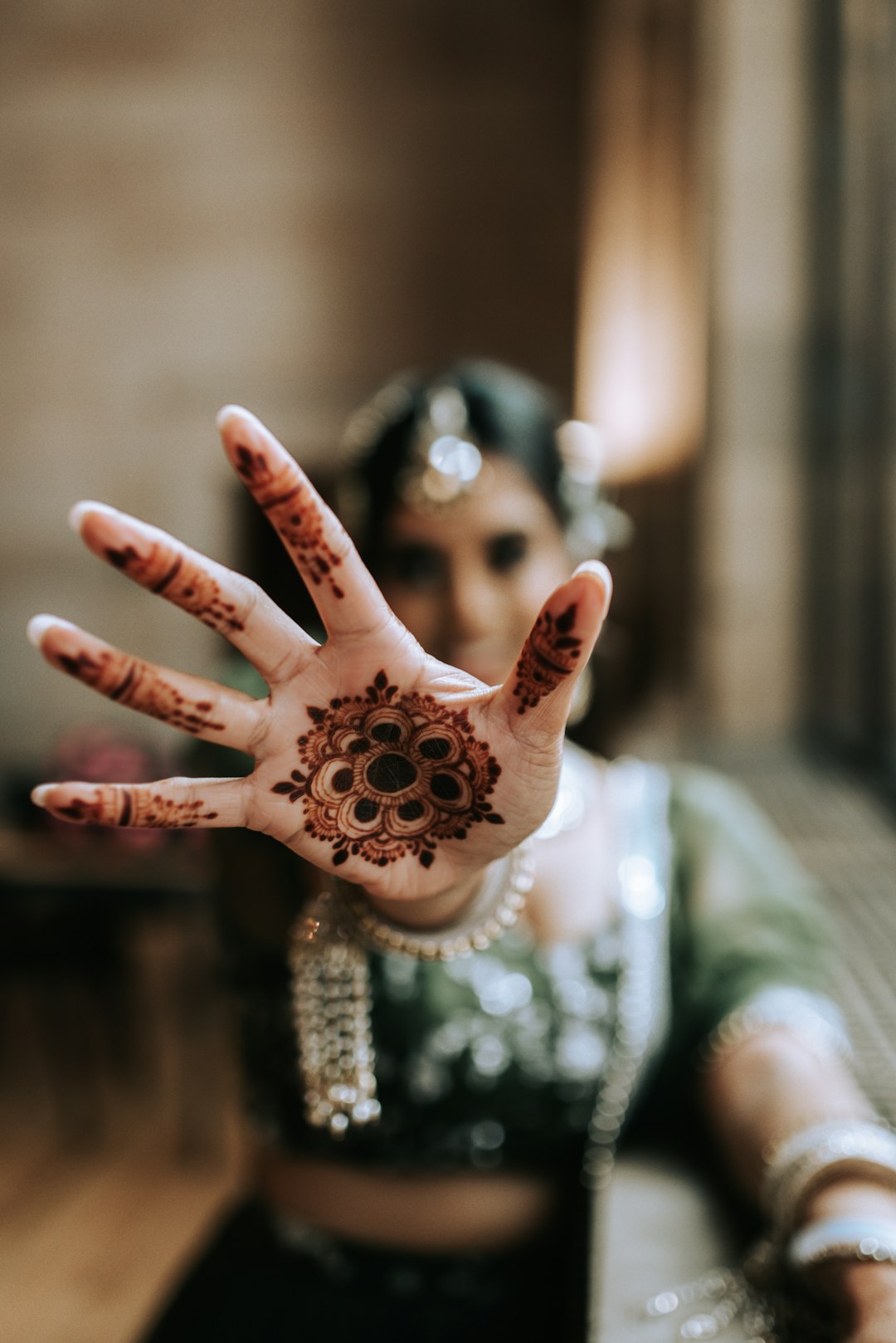
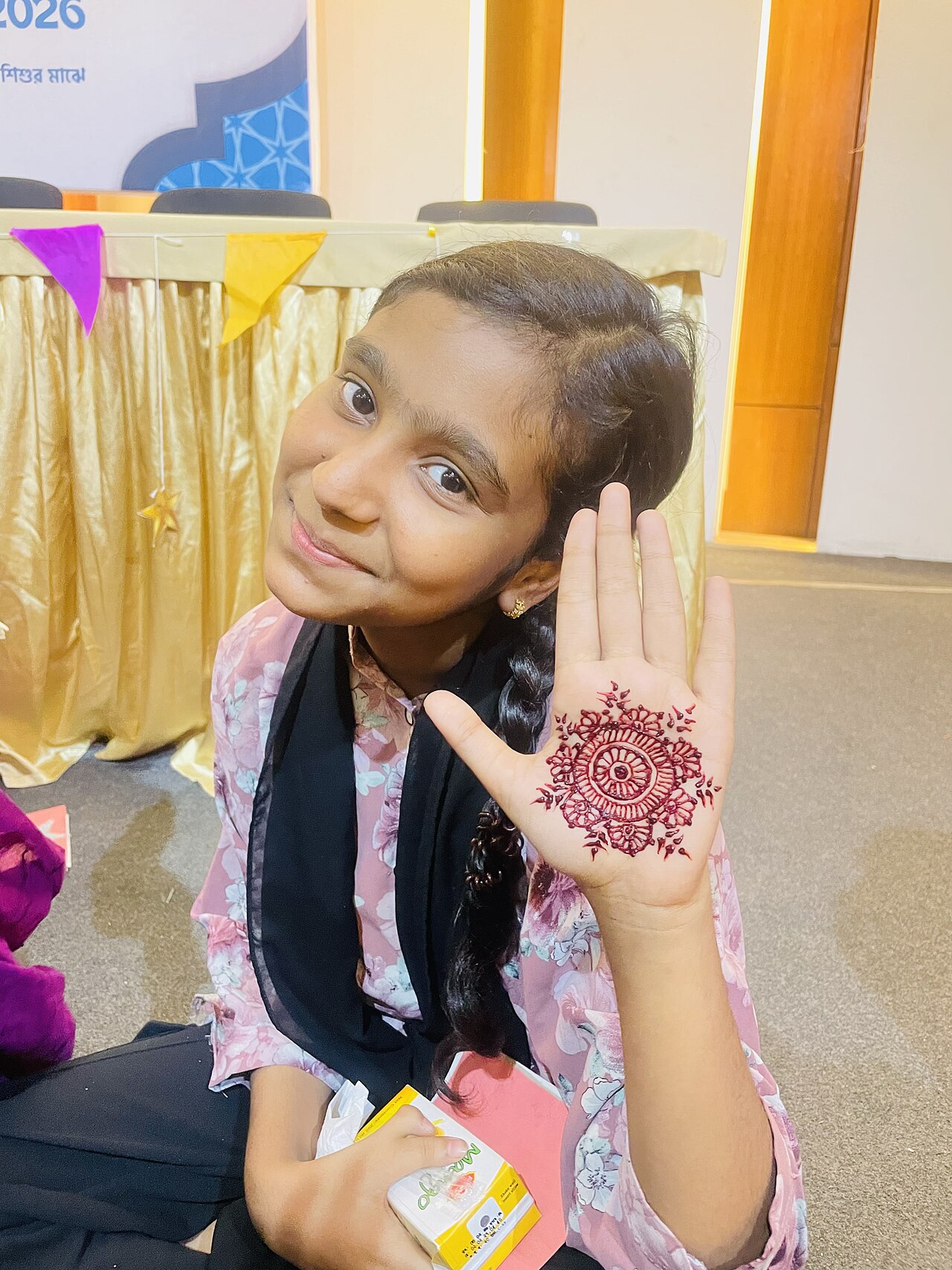
Mandala
24 photos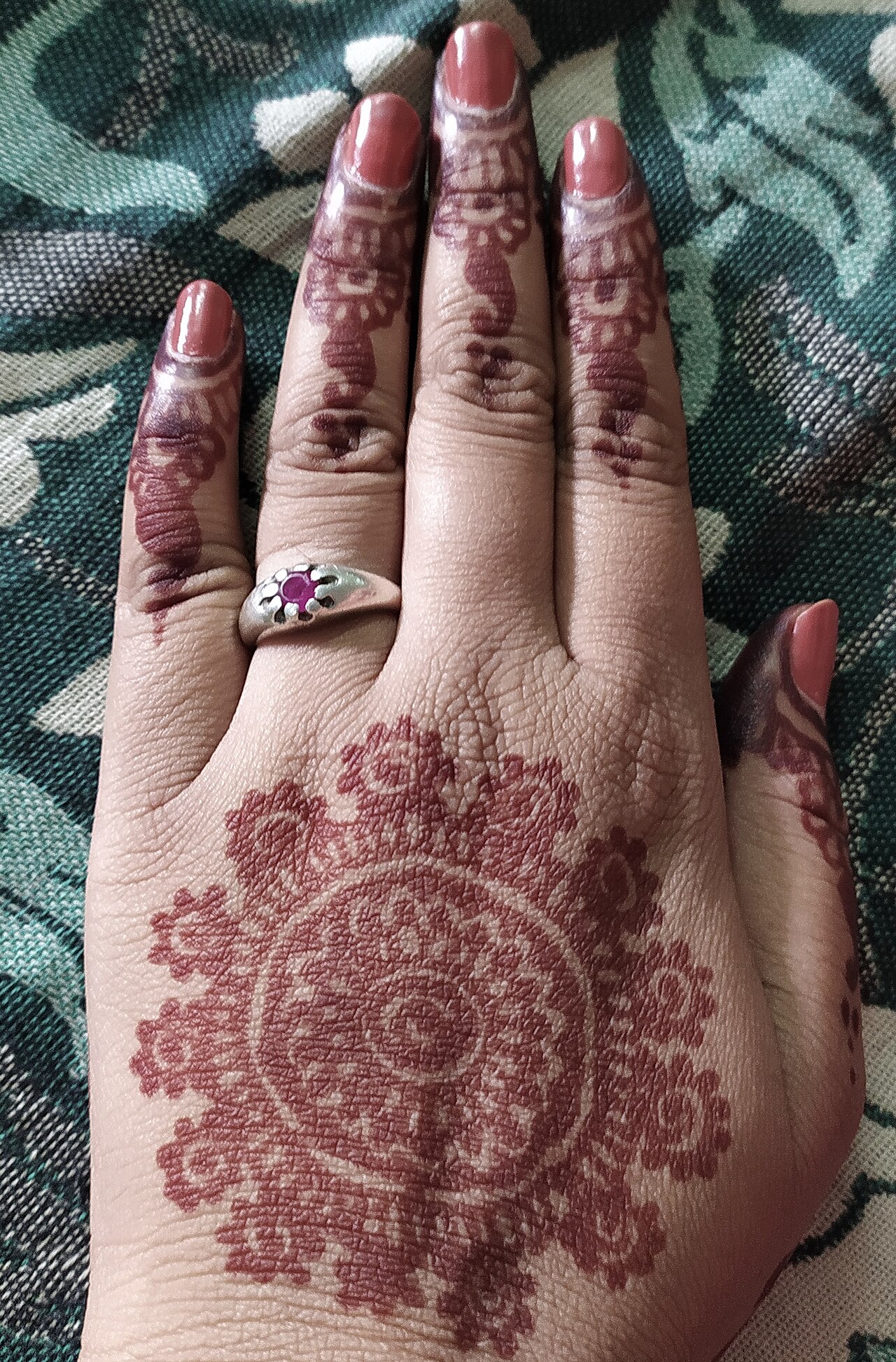
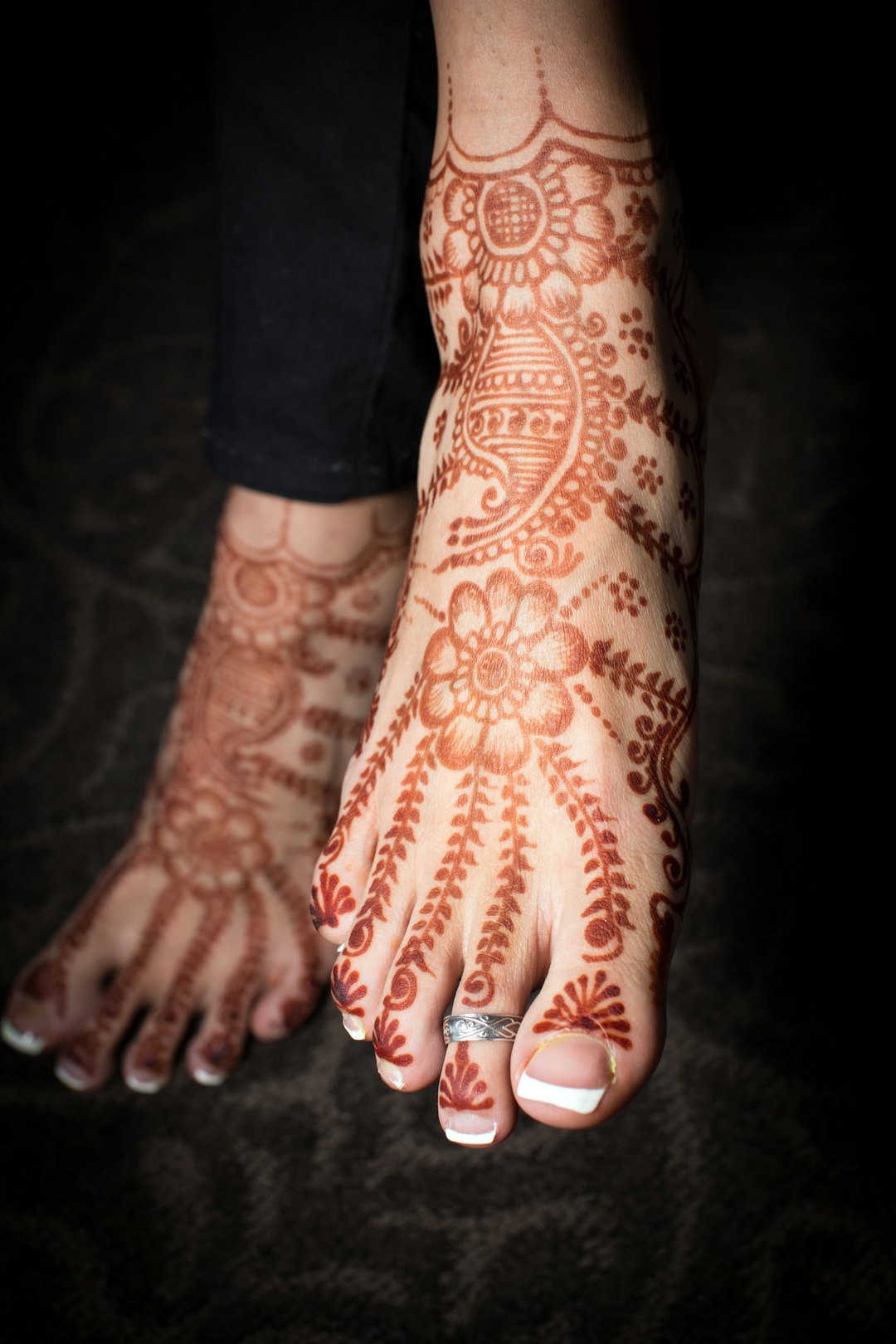
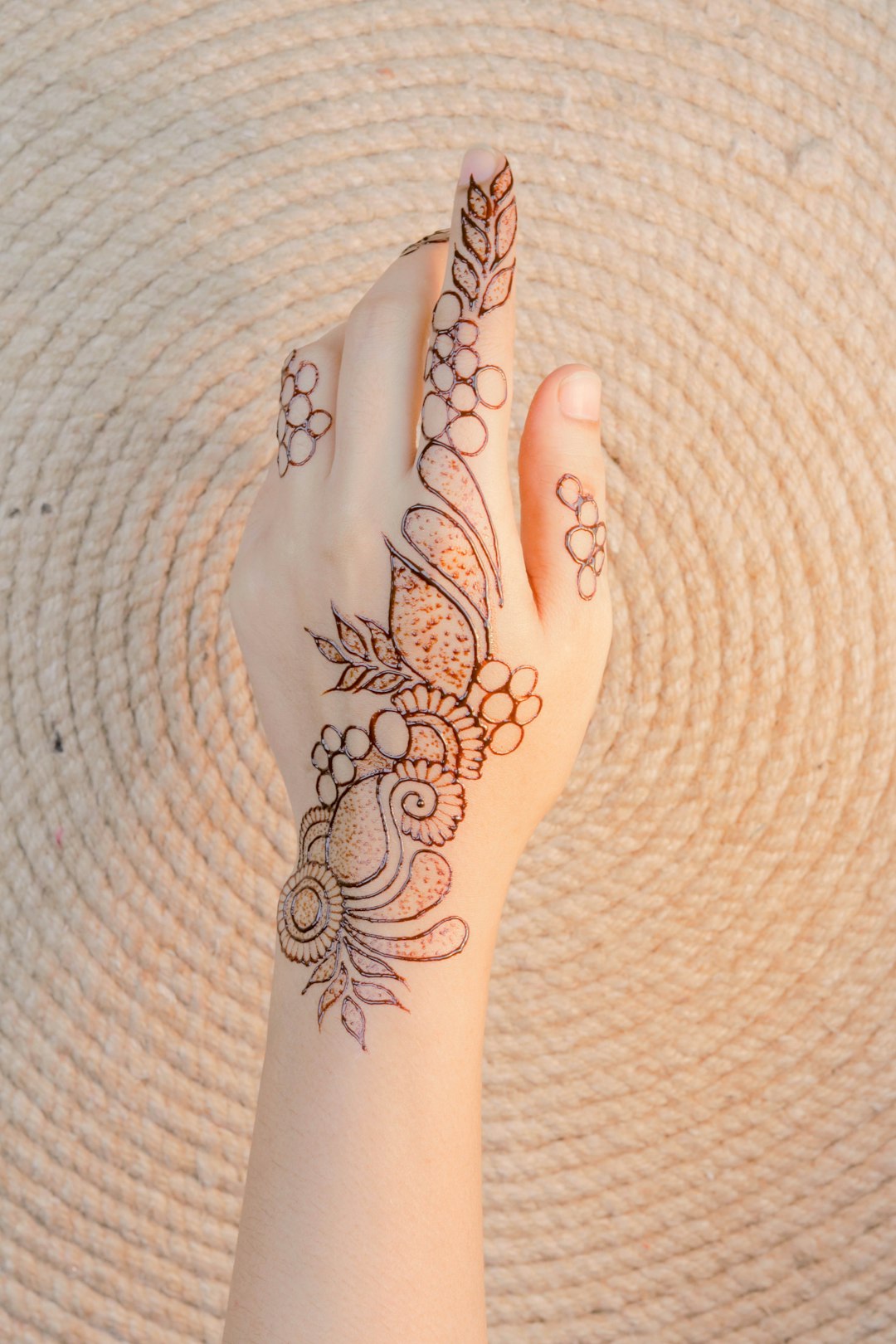
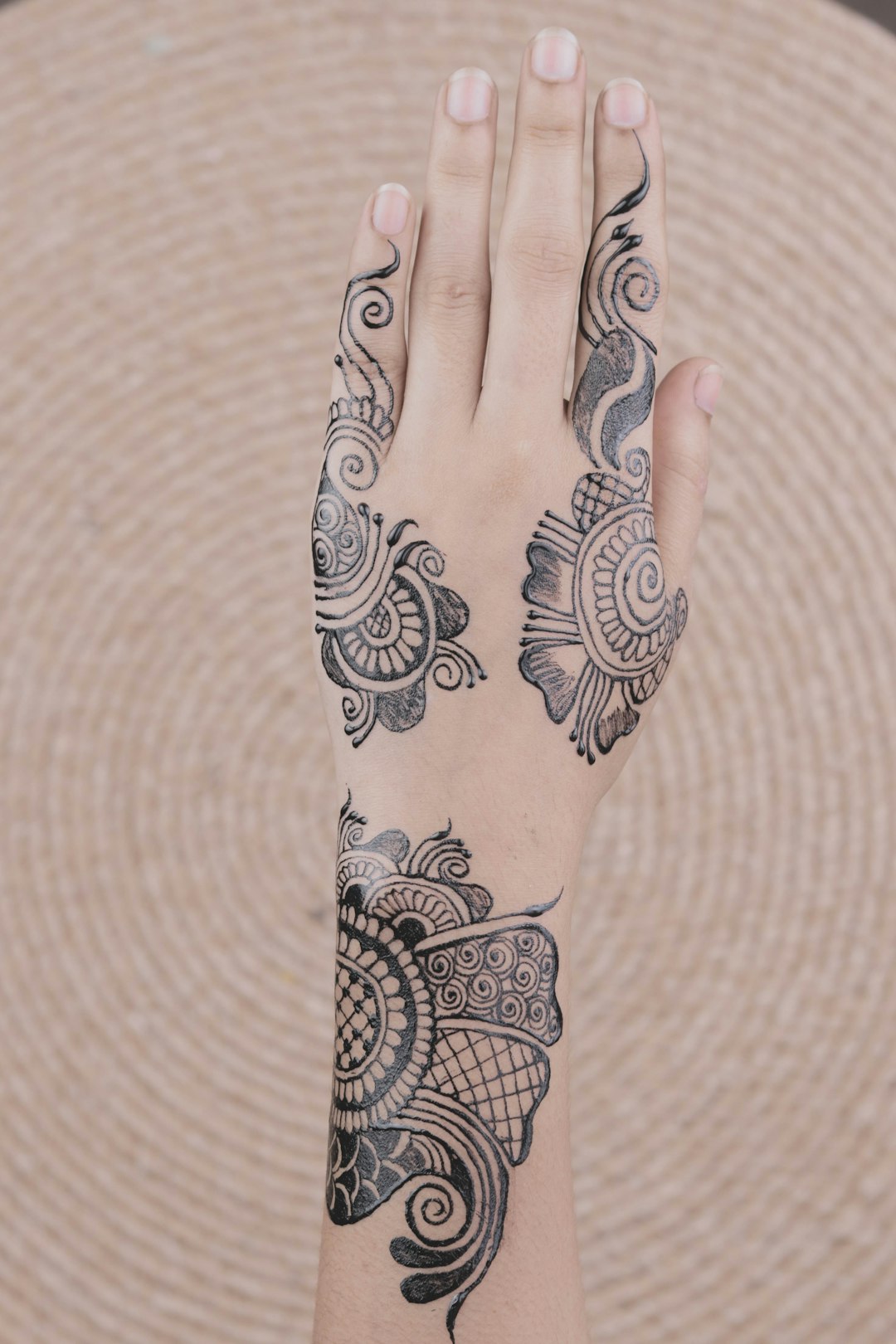
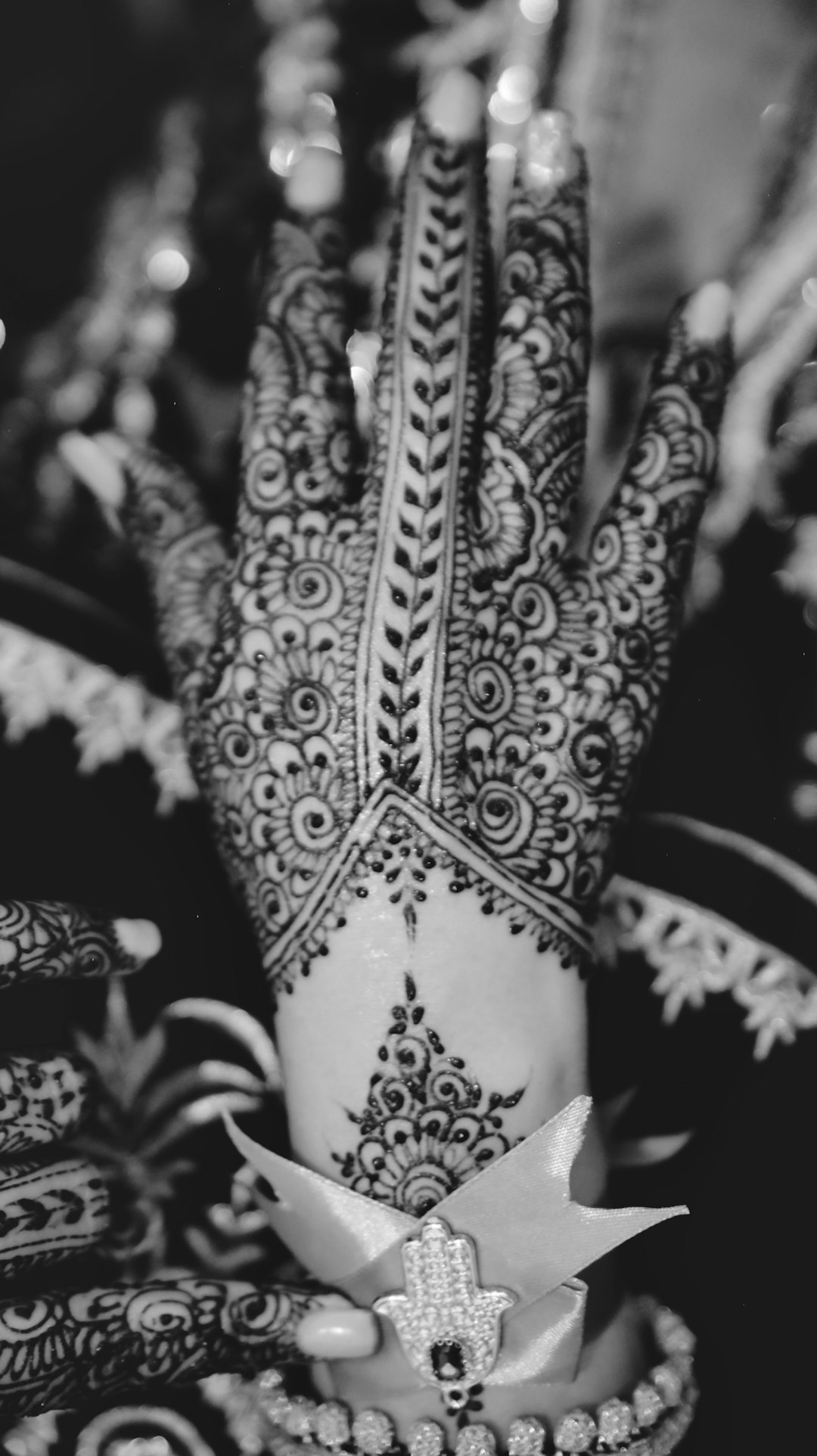
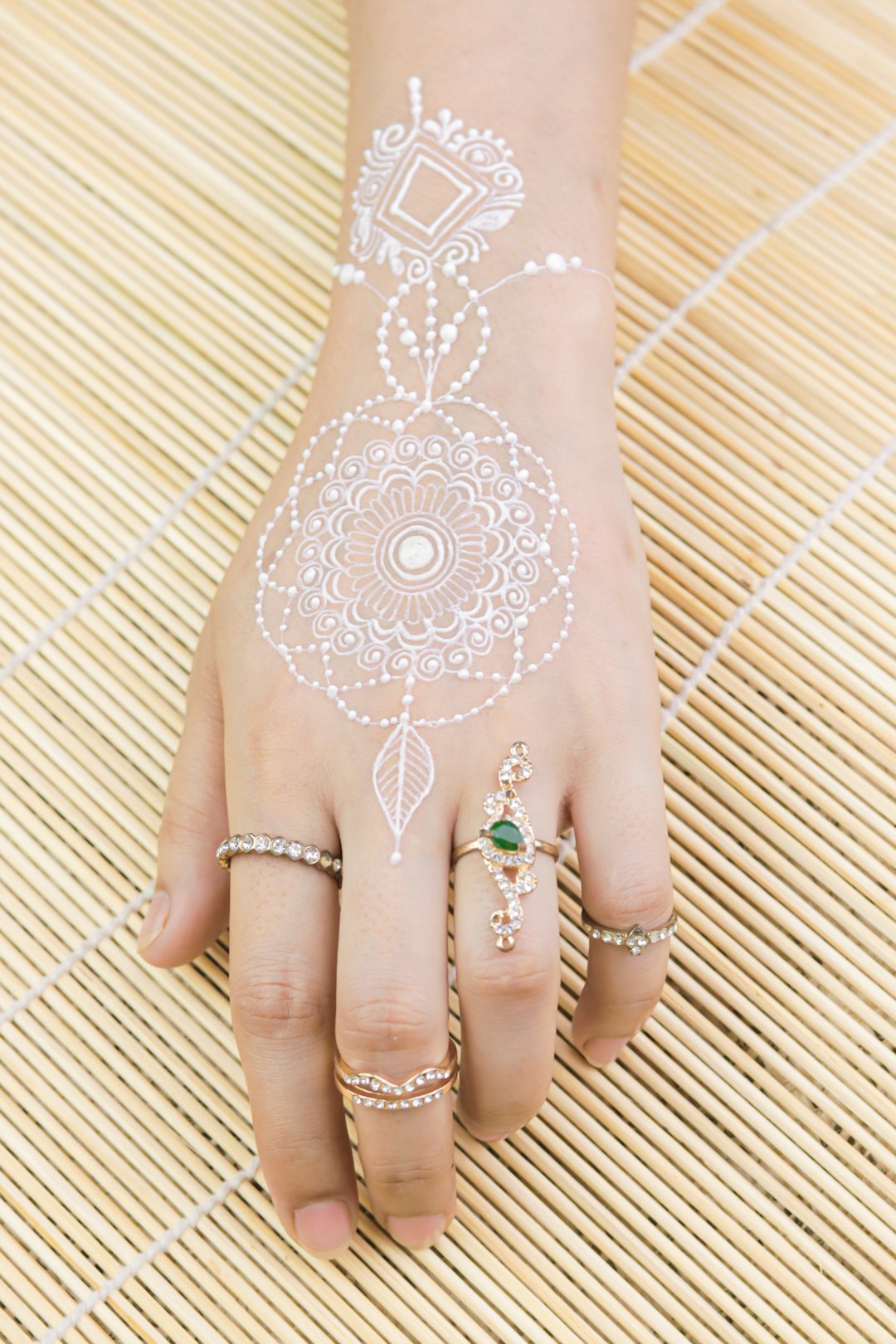
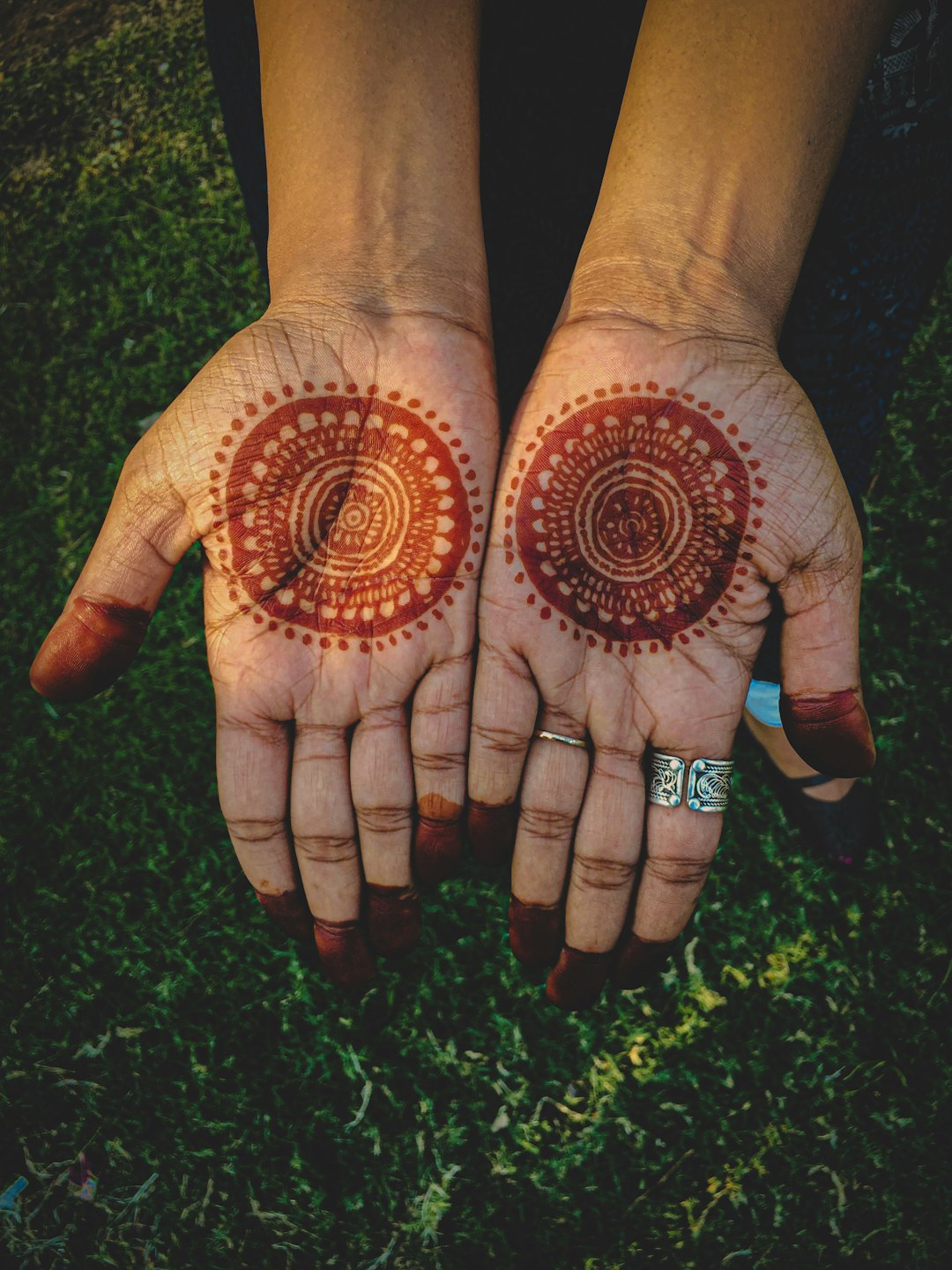
Floral
24 photos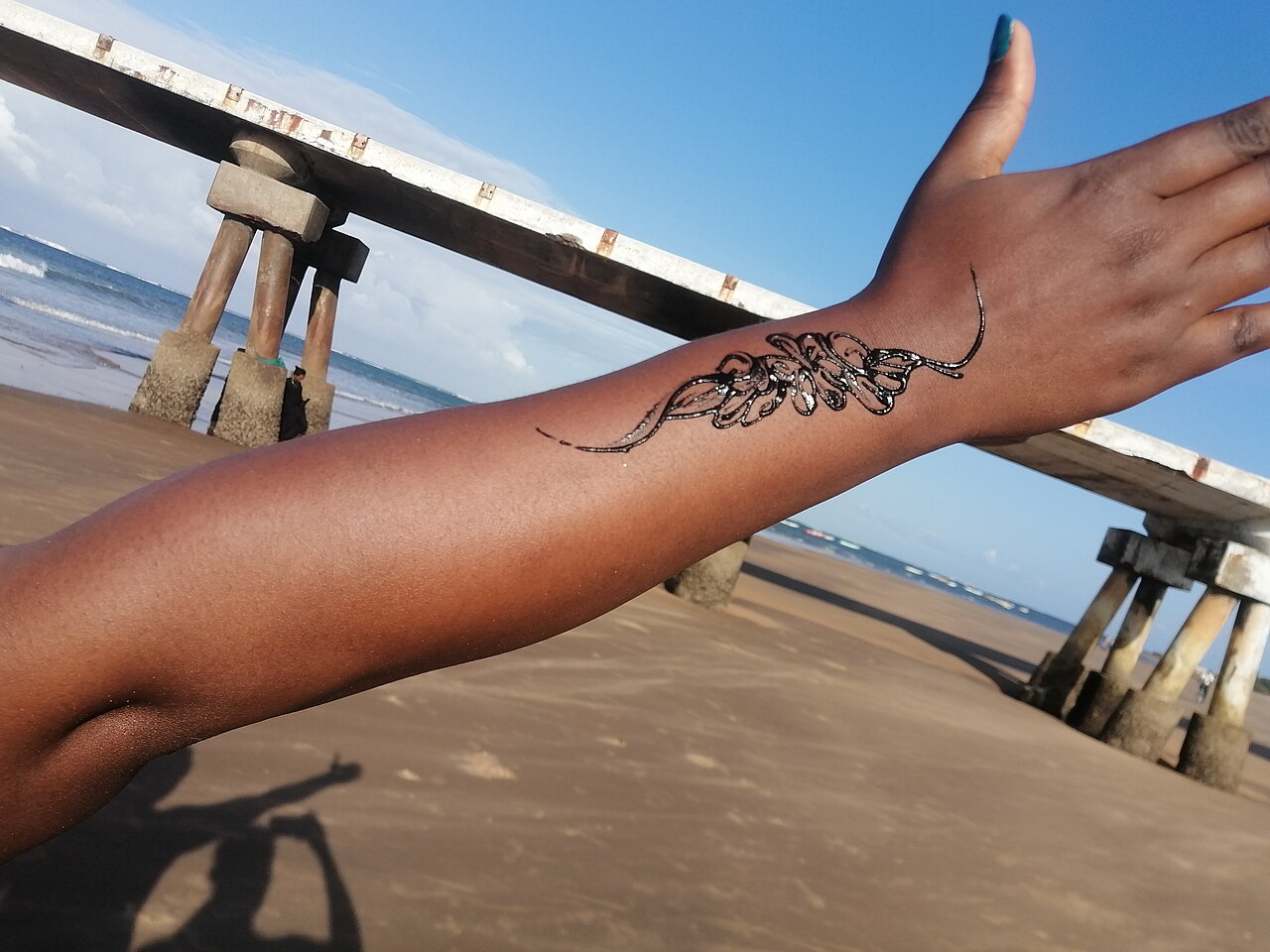
Manos
24 photos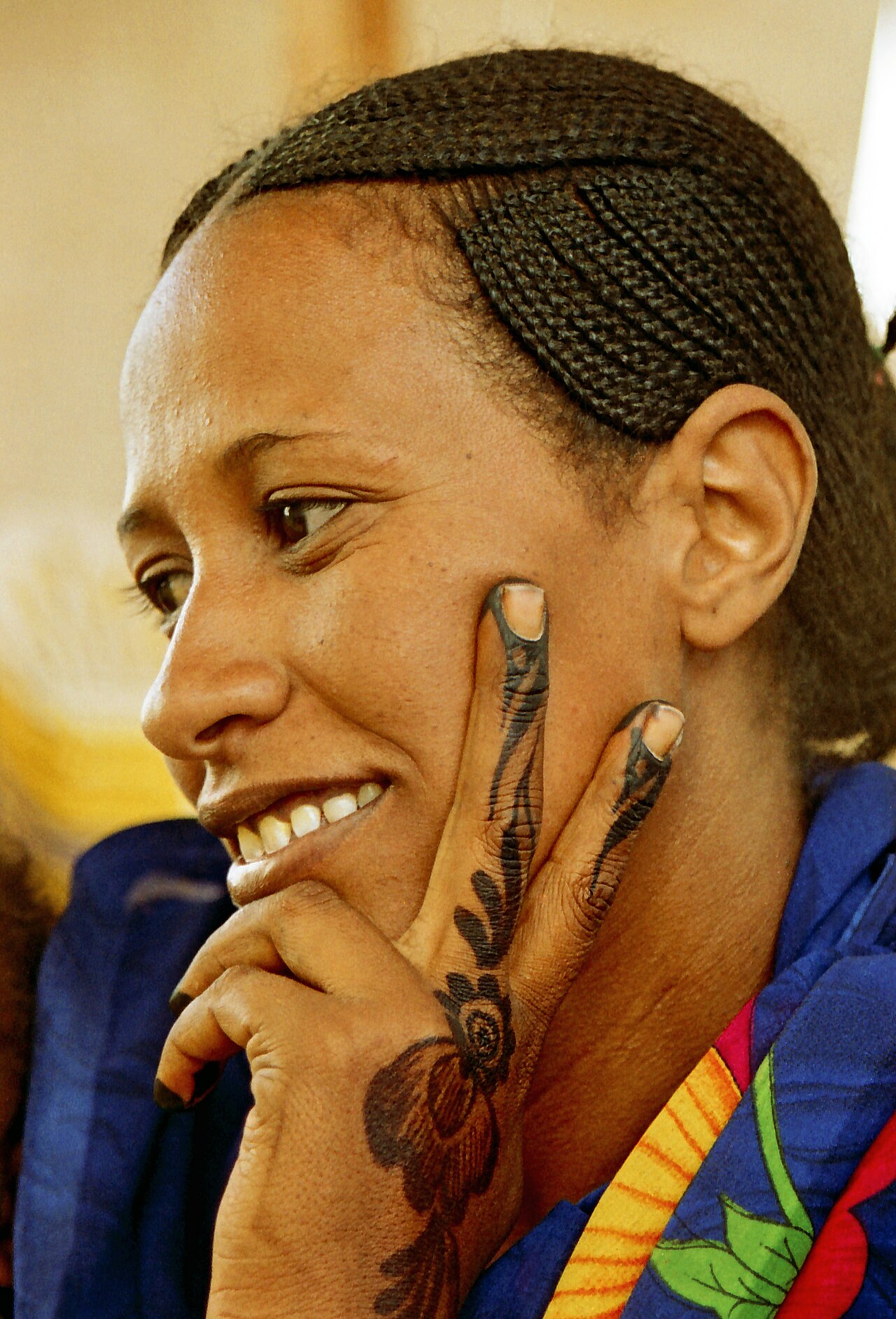
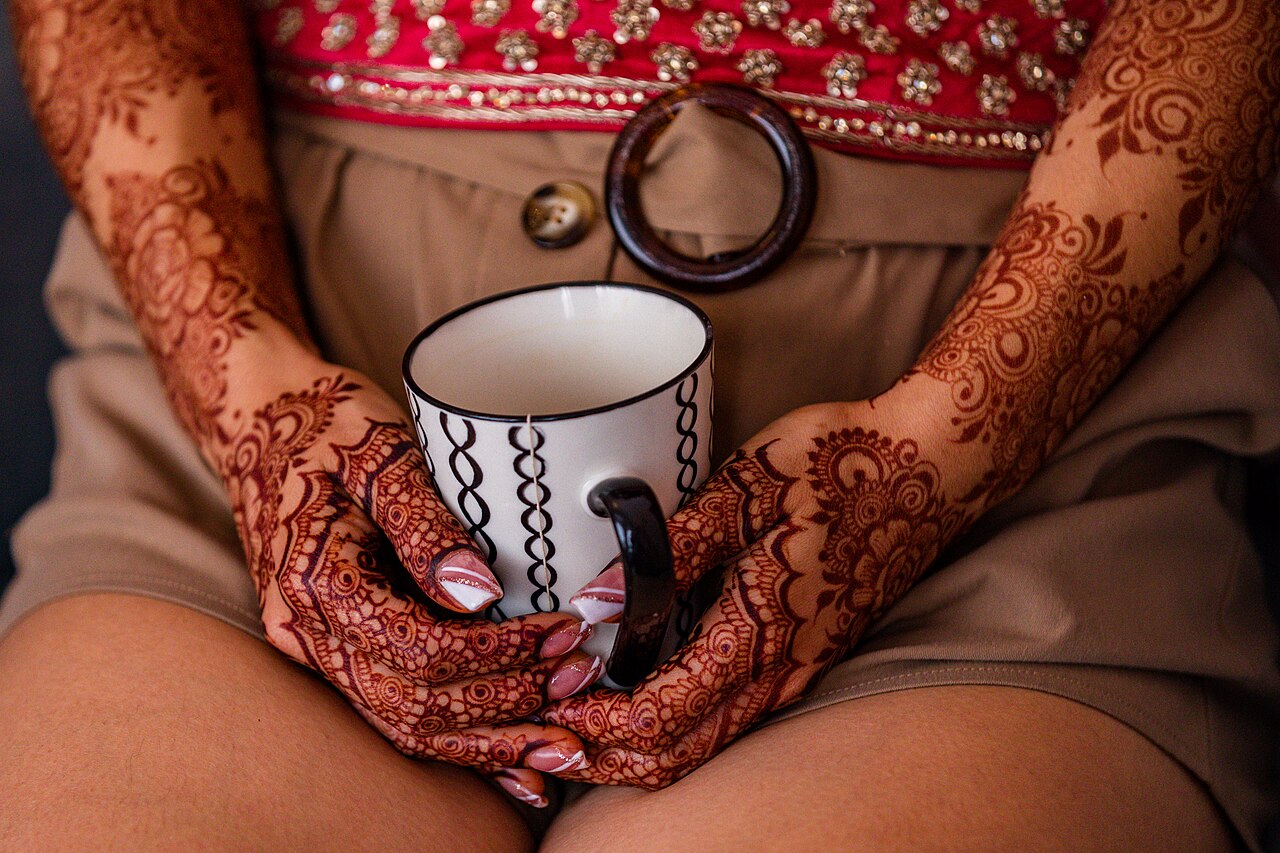
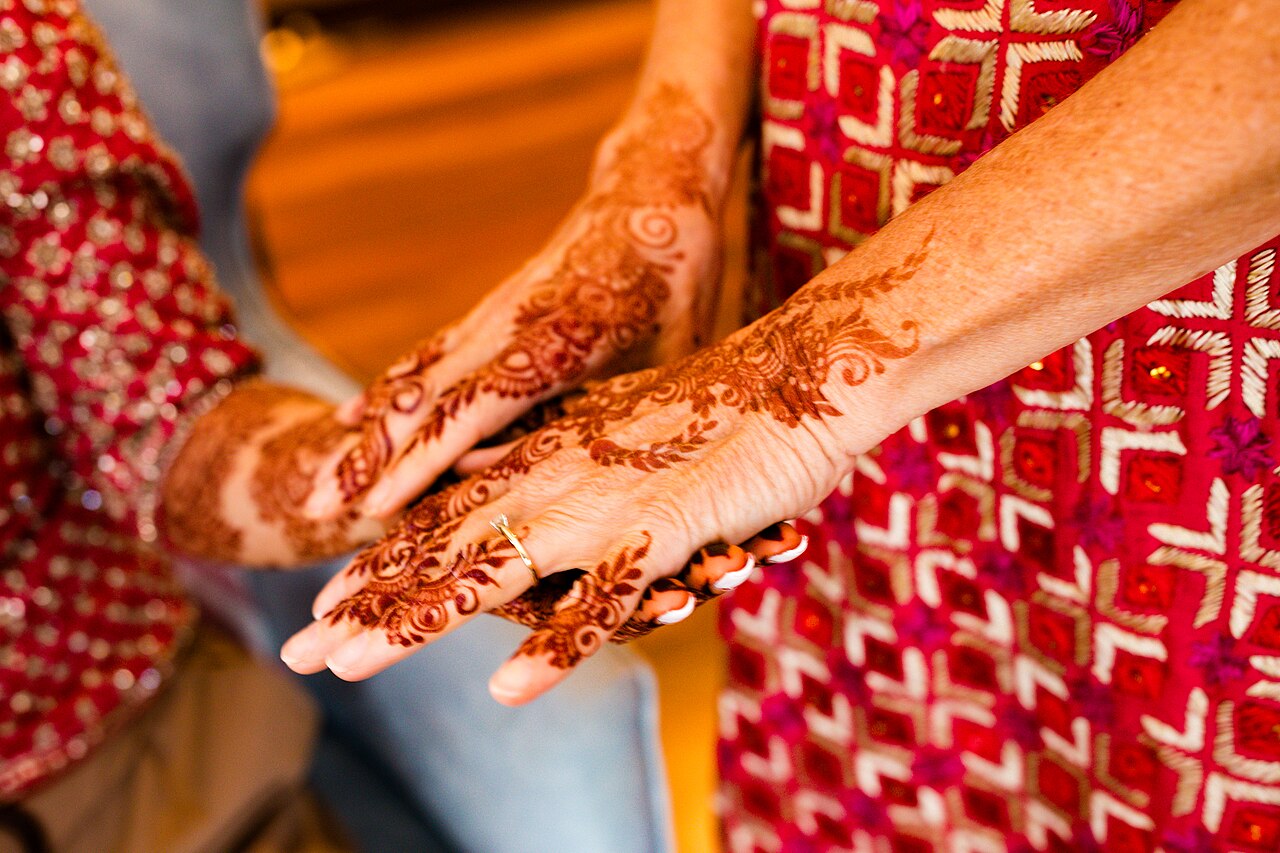
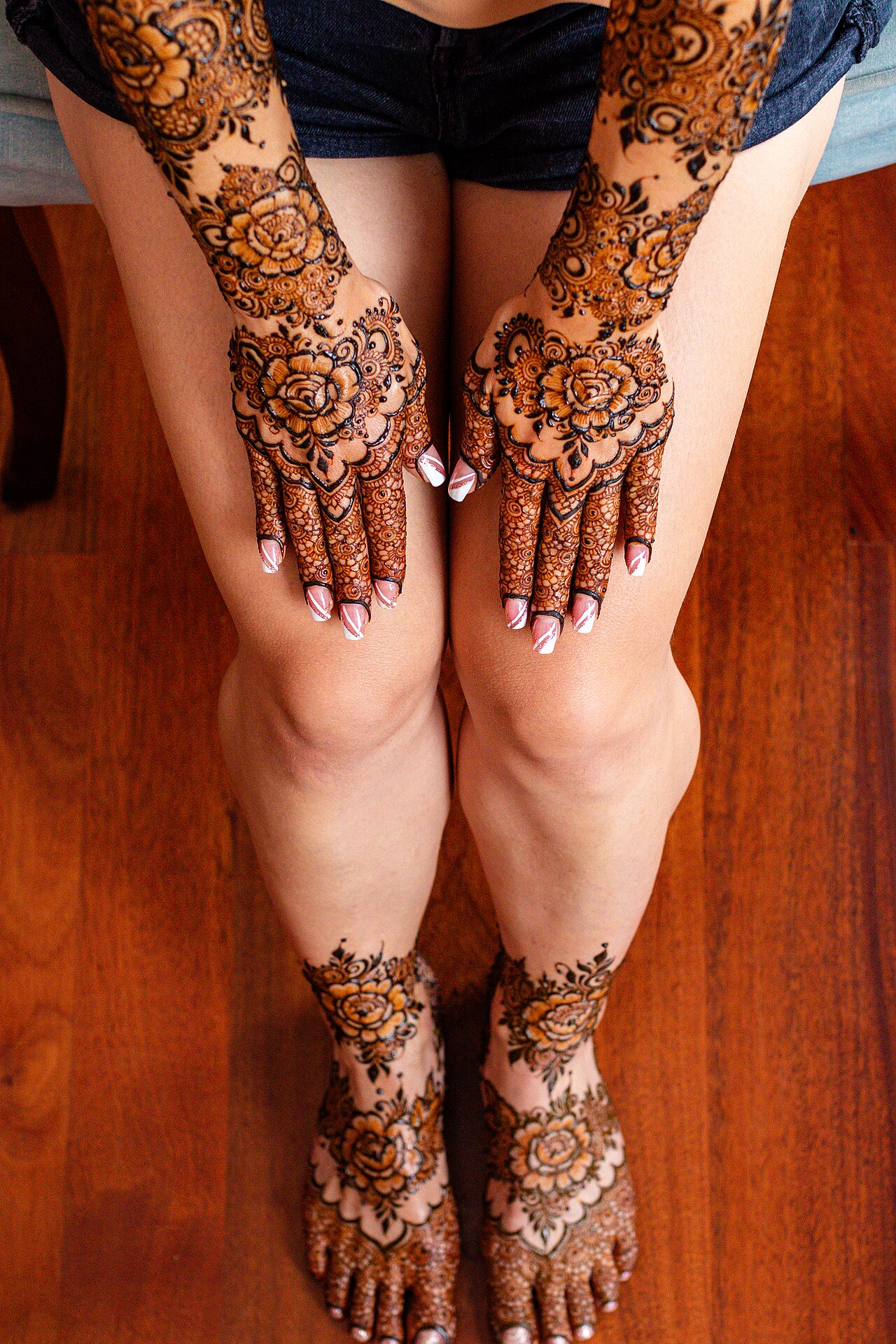
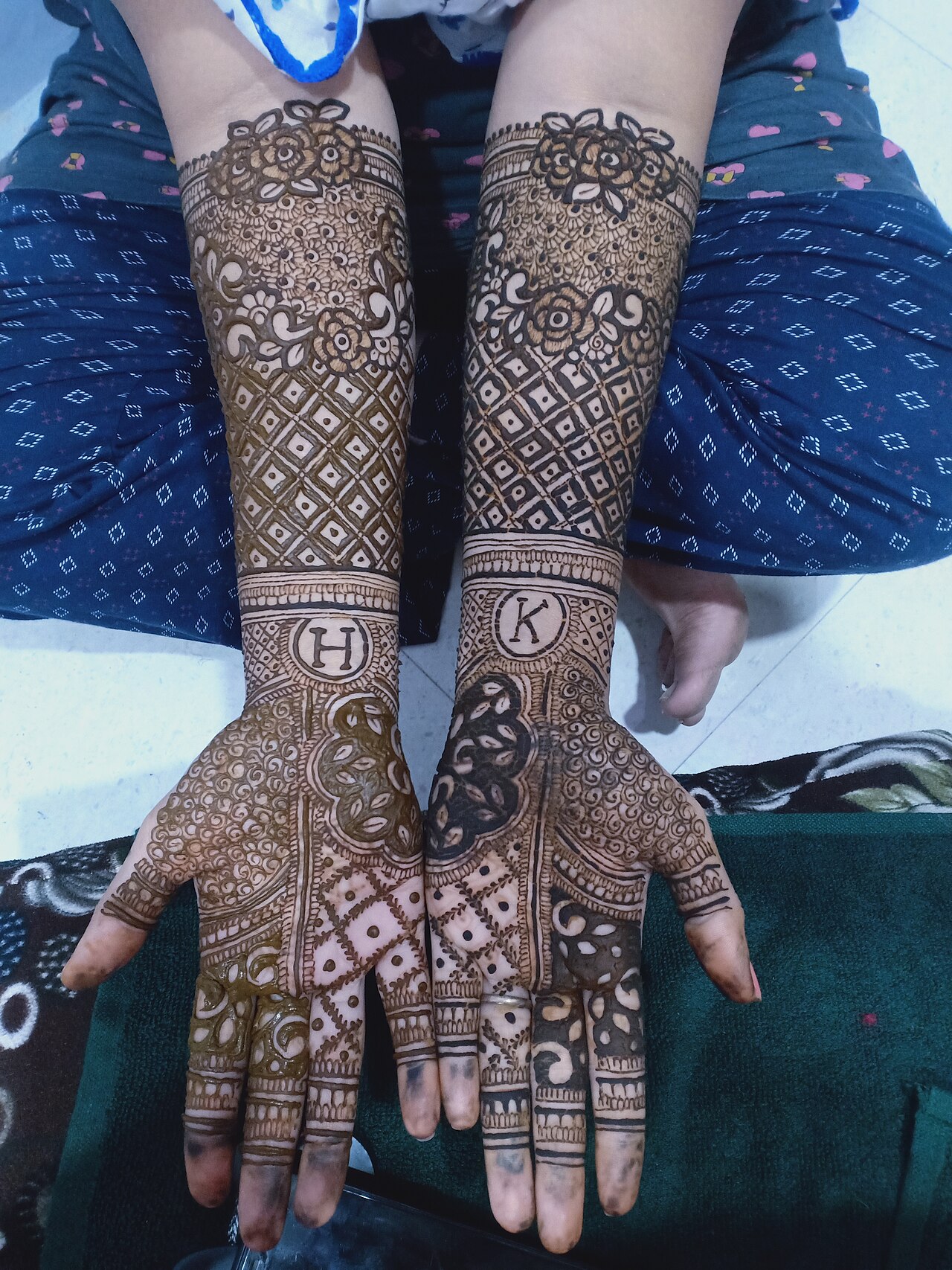
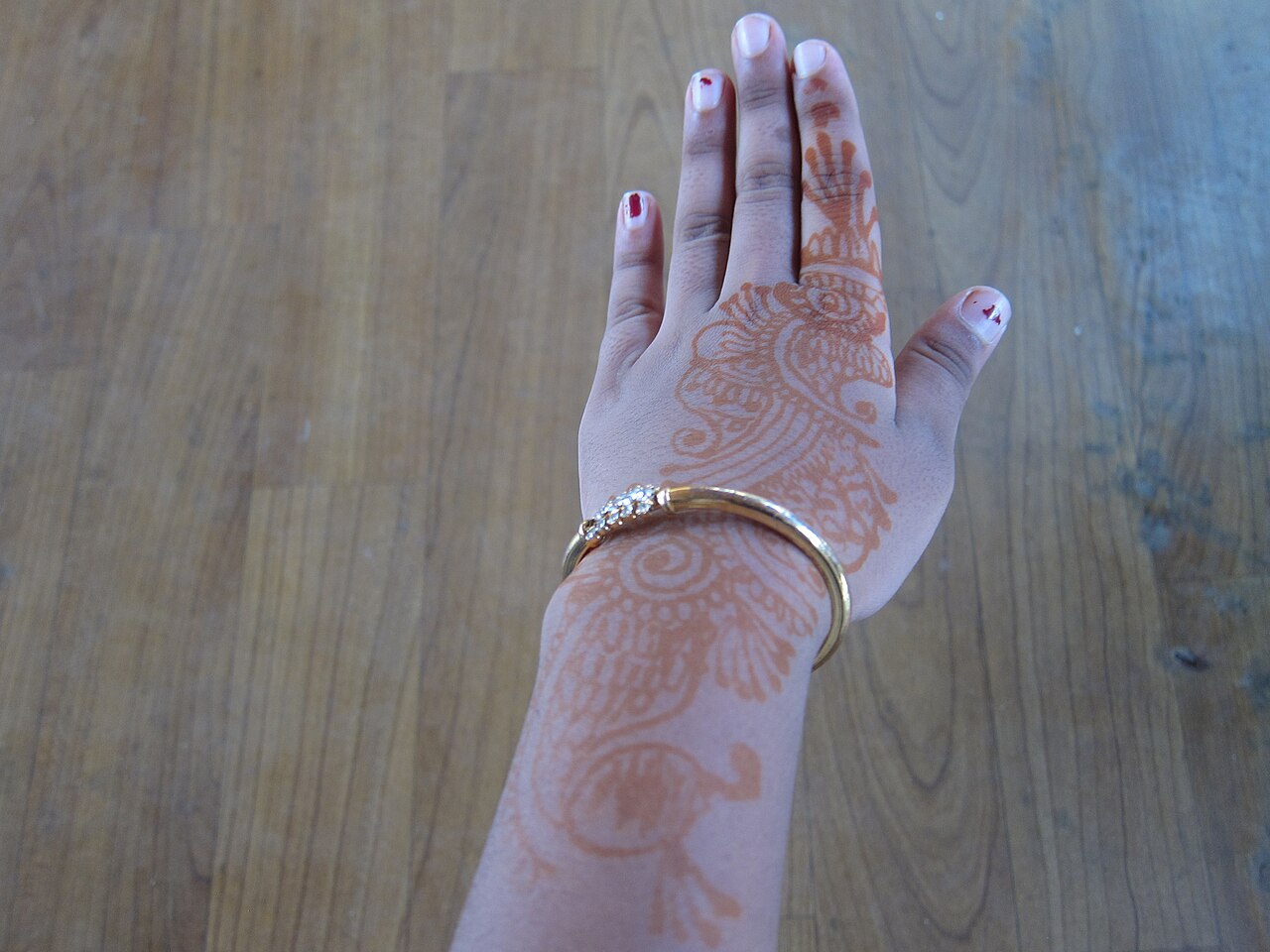
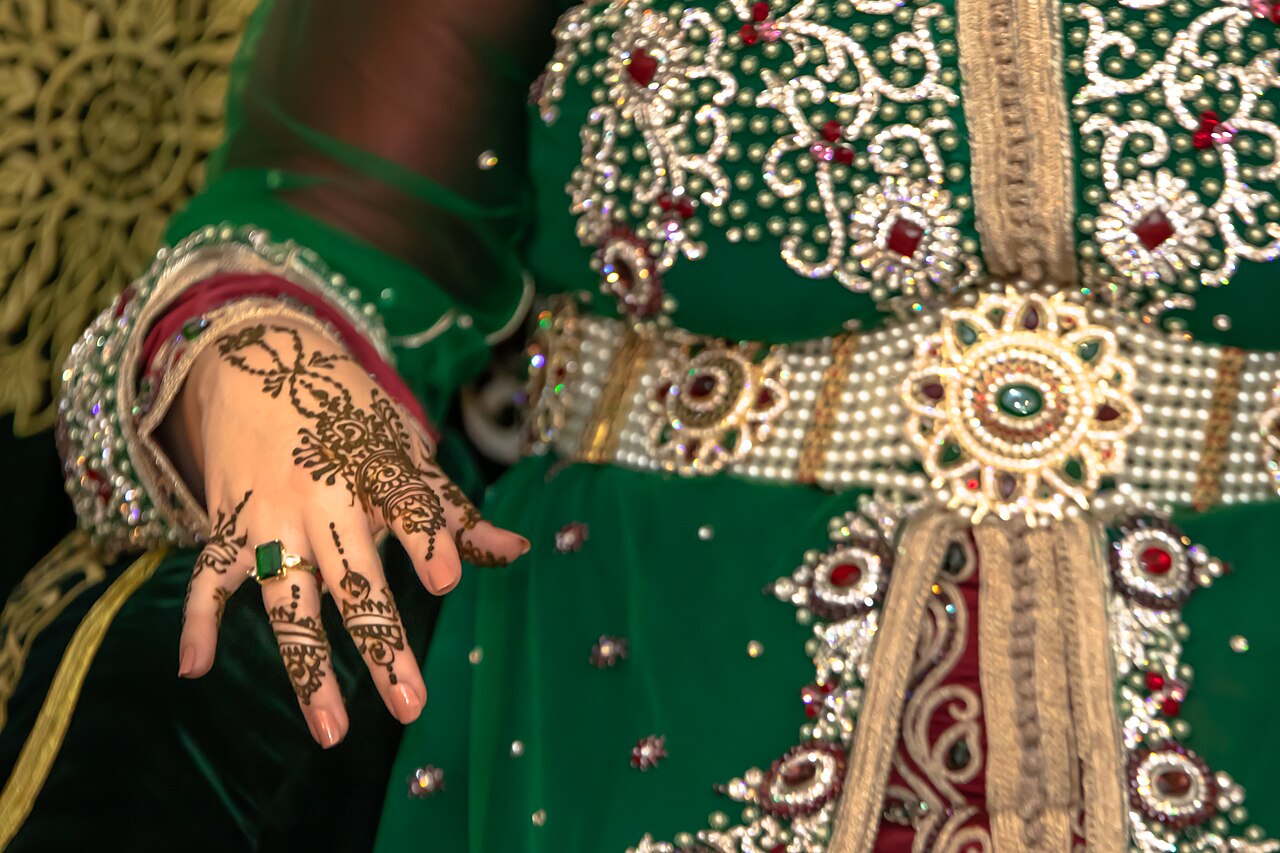

Henna is an ancient and beautiful form of temporary body art that has been used in various cultures throughout history. This art, known for its ability to beautify the skin in an ephemeral way, utilizes a paste made from the dried leaves of the henna plant. In this article, we will explore the different styles and types of henna designs, application techniques, care tips, and some inspirations from our gallery at bodibook.com.
What is Henna?
Henna is a natural dye obtained from the leaves of the Lawsonia inermis plant. This art has been practiced for centuries in regions such as the Middle East, North Africa, and South Asia, where it is used in celebrations, rituals, and special occasions. The application of henna is often associated with joyous events such as weddings, festivals, and religious ceremonies. Henna is applied to the skin in the form of intricate designs that, once dried, leave a brown coloration that can last from a week to several weeks, depending on the quality of the henna and aftercare. The process of creating henna art is not only about aesthetics; it is also steeped in cultural significance and tradition.
Styles and Types of Henna Designs
There are numerous styles of henna that vary according to culture and occasion. Some of the most popular include:
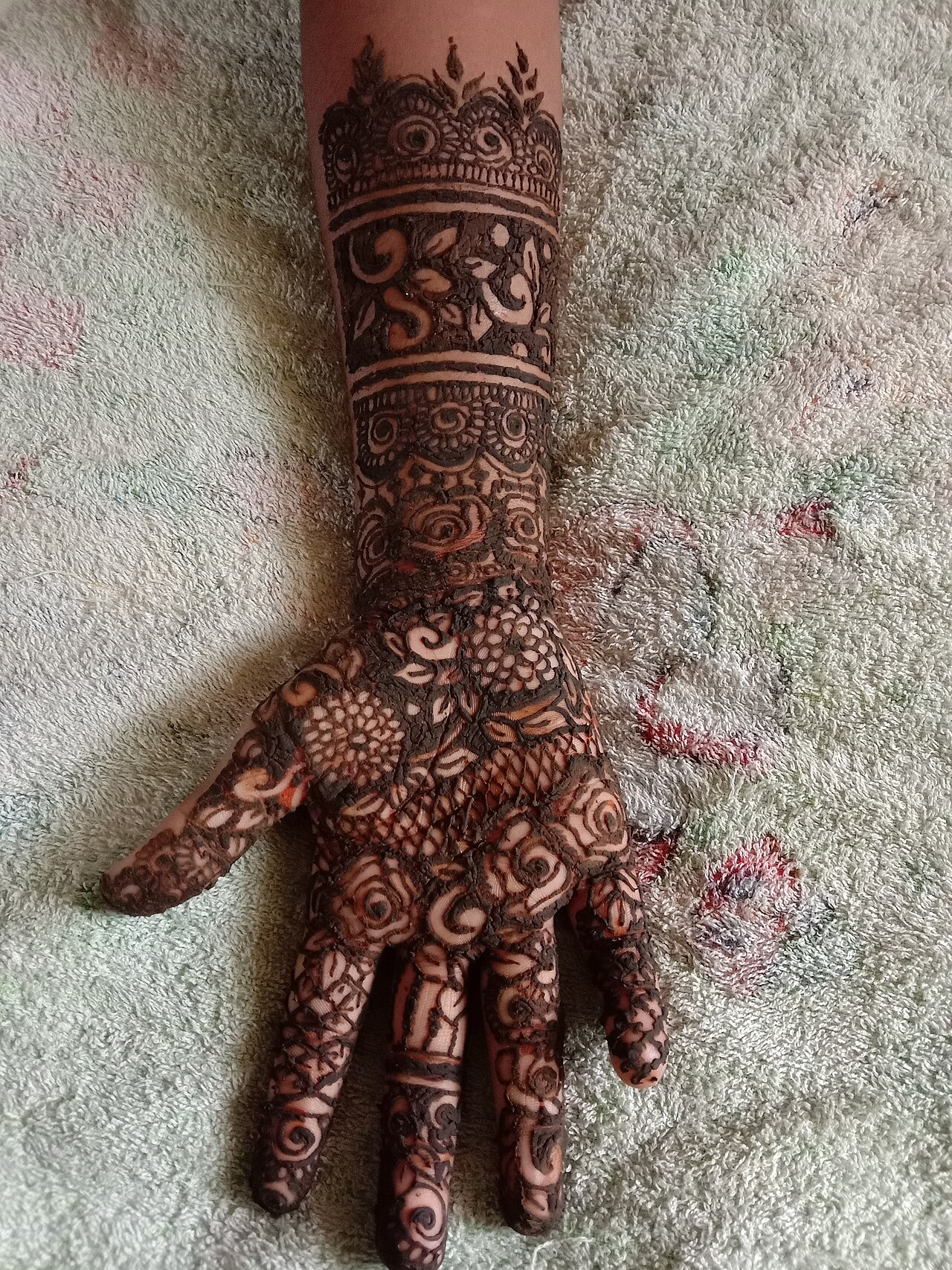
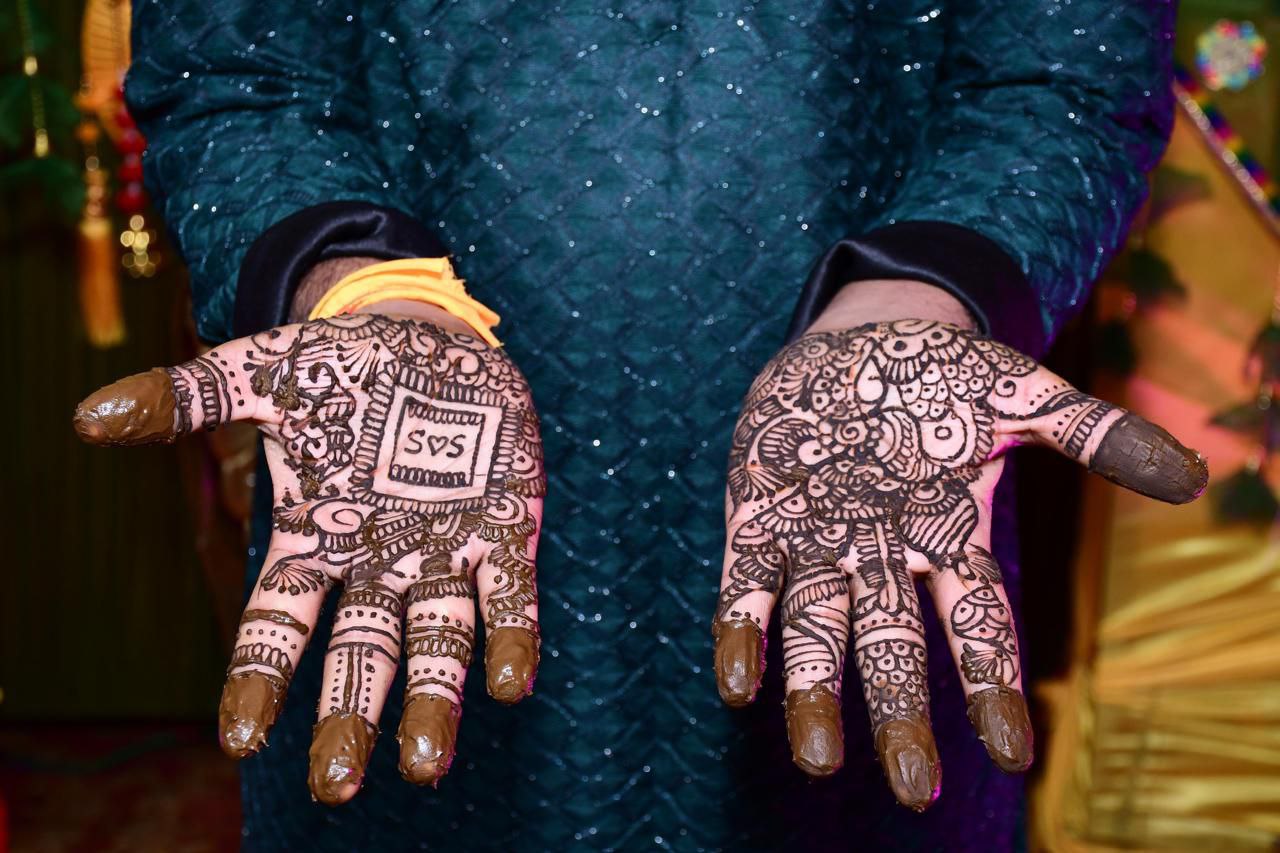
- Mehndi: Traditionally used in weddings and festivities, mehndi is characterized by its complex and detailed patterns, often covering large areas of the skin.
- Floral Designs: These include motifs of flowers, leaves, and vines, adding a delicate and natural touch that symbolizes beauty and growth.
- Geometry: Geometric designs are more modern and can include lines, shapes, and abstract patterns, appealing to those who appreciate contemporary art.
- Minimalism: This style focuses on simple and elegant designs, ideal for those who prefer a more subtle approach, often featuring single motifs or small clusters.
Each style has its own beauty and significance, allowing individuals to choose the one that best fits their personality and occasion. Whether you opt for intricate mehndi patterns or minimalist designs, henna offers a unique way to express oneself.
Application Techniques and Placement
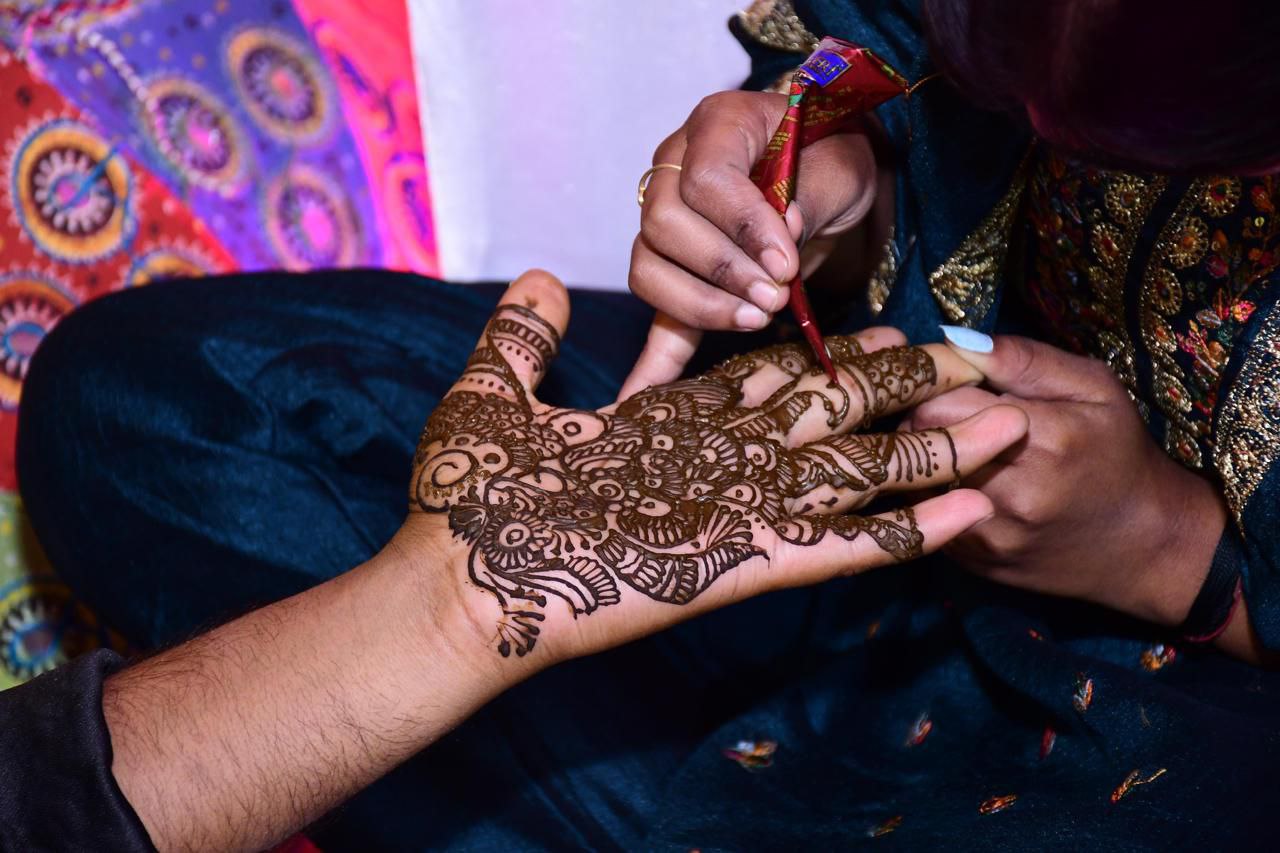
The application of henna requires skill and precision. Generally, a henna cone is used to trace the designs onto the skin, allowing for fine lines and detailed work. Placement can vary according to personal preference, but some of the most common areas include:
- Hands and arms
- Feet and ankles
- Back and abdomen
- Neck and face
It is important to allow the henna to dry properly to achieve a rich color. After application, it is recommended to keep the henna on the skin for at least 4-6 hours, or even longer, to maximize color saturation. Some enthusiasts even wrap the henna in tissue or plastic to retain heat and enhance the dyeing process.
Care Tips to Maintain the Design
To prolong the duration of the henna design, it is essential to follow some care tips. Here are some recommendations:
- Avoid water for the first 24 hours after application to prevent washing away the dye.
- Moisturize the skin with natural oils, such as coconut oil or olive oil, to keep the color vibrant and prevent dryness.
- Avoid prolonged sun exposure, as it can fade the color more quickly and damage the skin.
- Try not to exfoliate the area where henna was applied, as this can lead to premature fading.
By following these tips, you can enjoy your henna design for a longer time, allowing you to showcase your beautiful temporary art.
Henna is a wonderful form of artistic and cultural expression. If you are looking for inspiration or want to see examples of stunning designs, feel free to explore our gallery at bodibook.com. We invite you to immerse yourself in the fascinating world of temporary art with henna, where each design tells a story and celebrates individuality.