
Photo gallery
24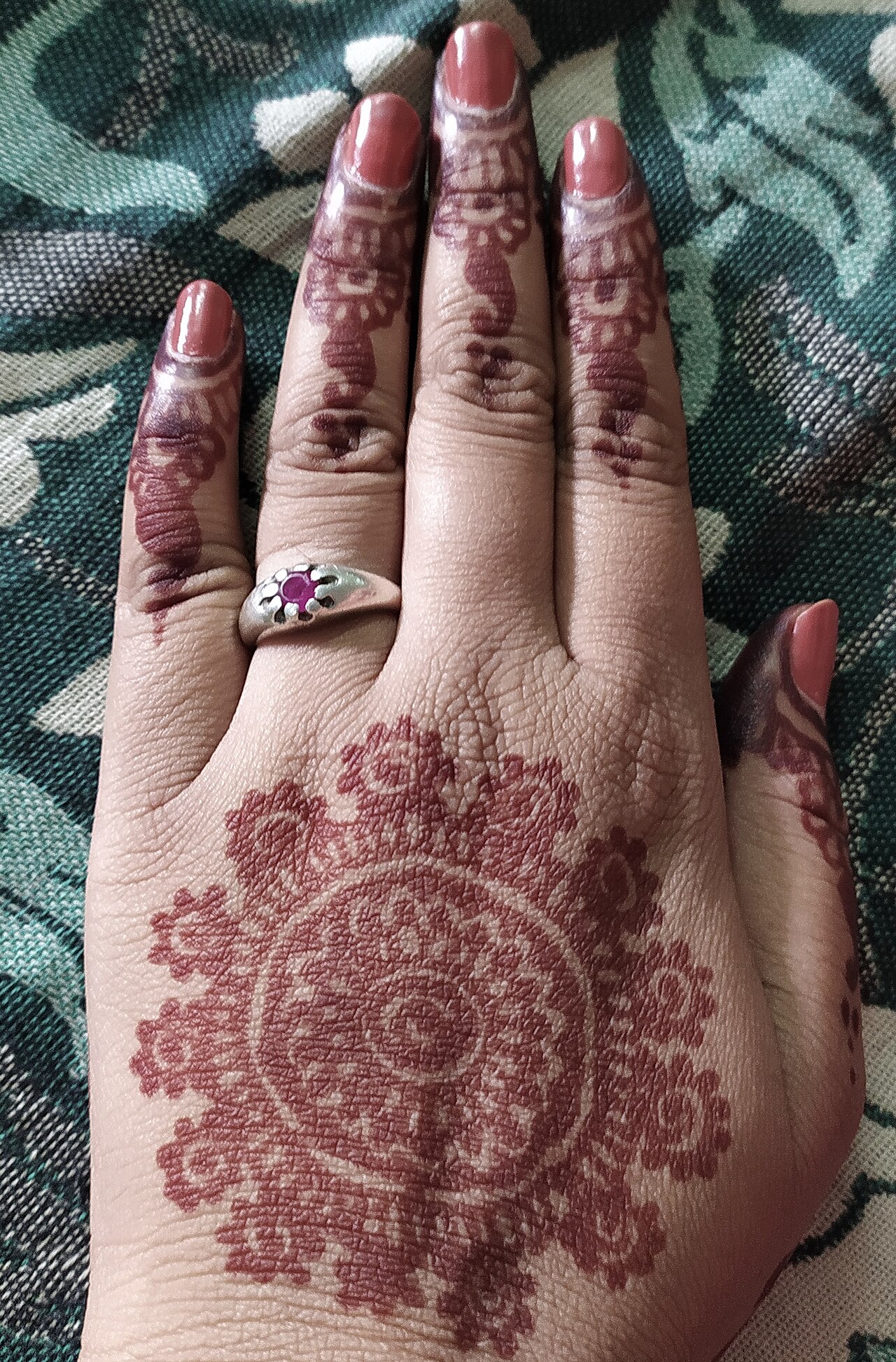
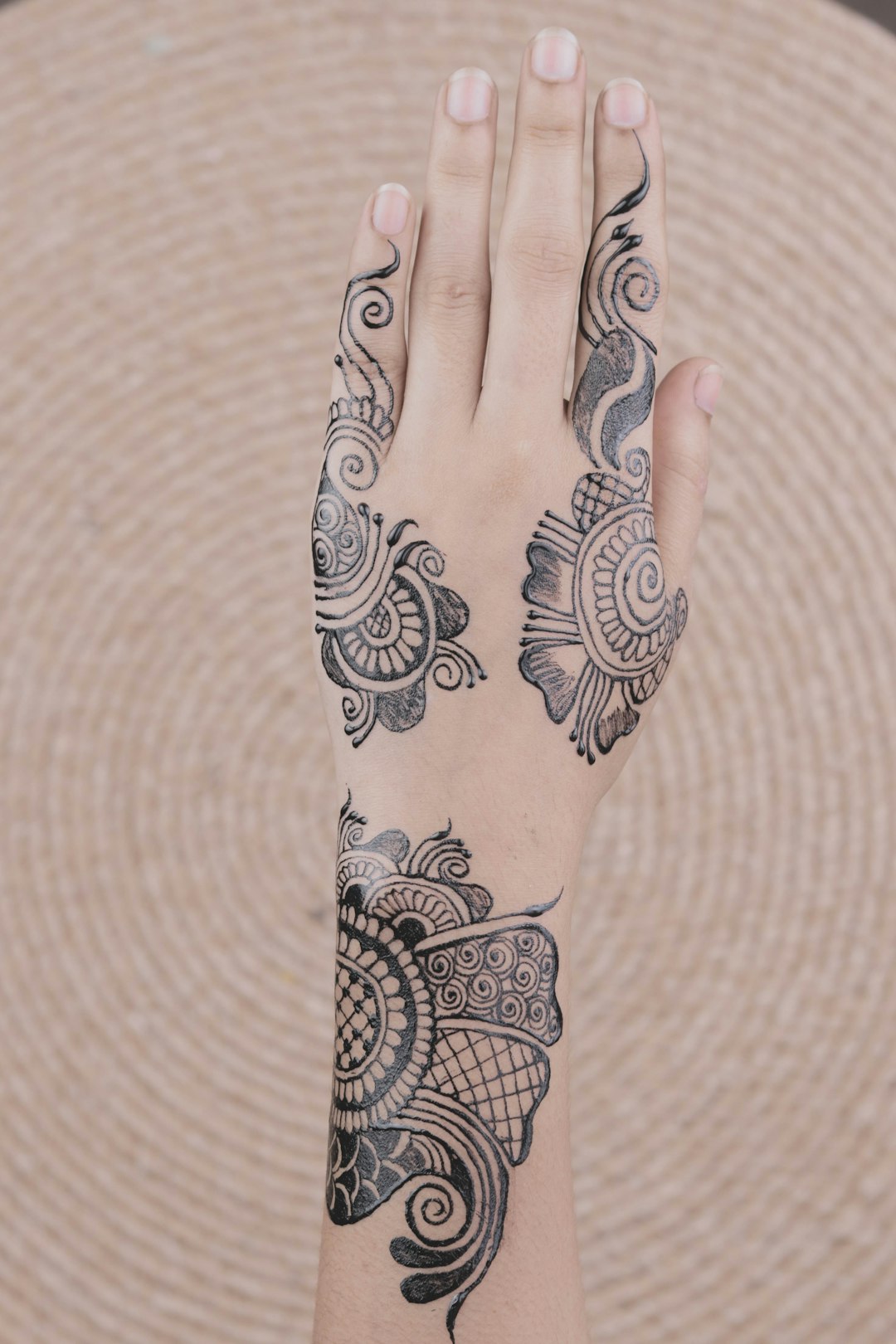
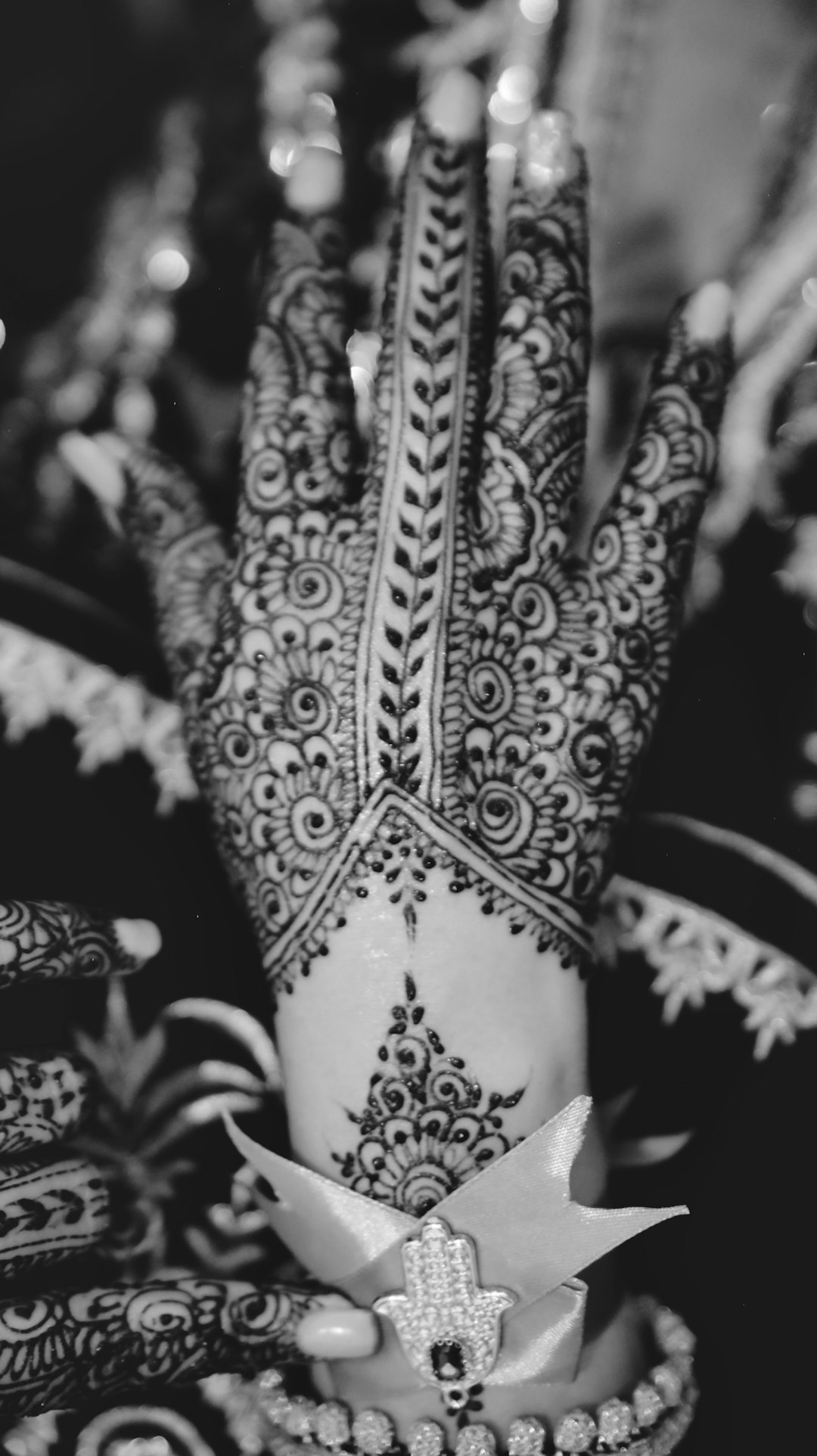
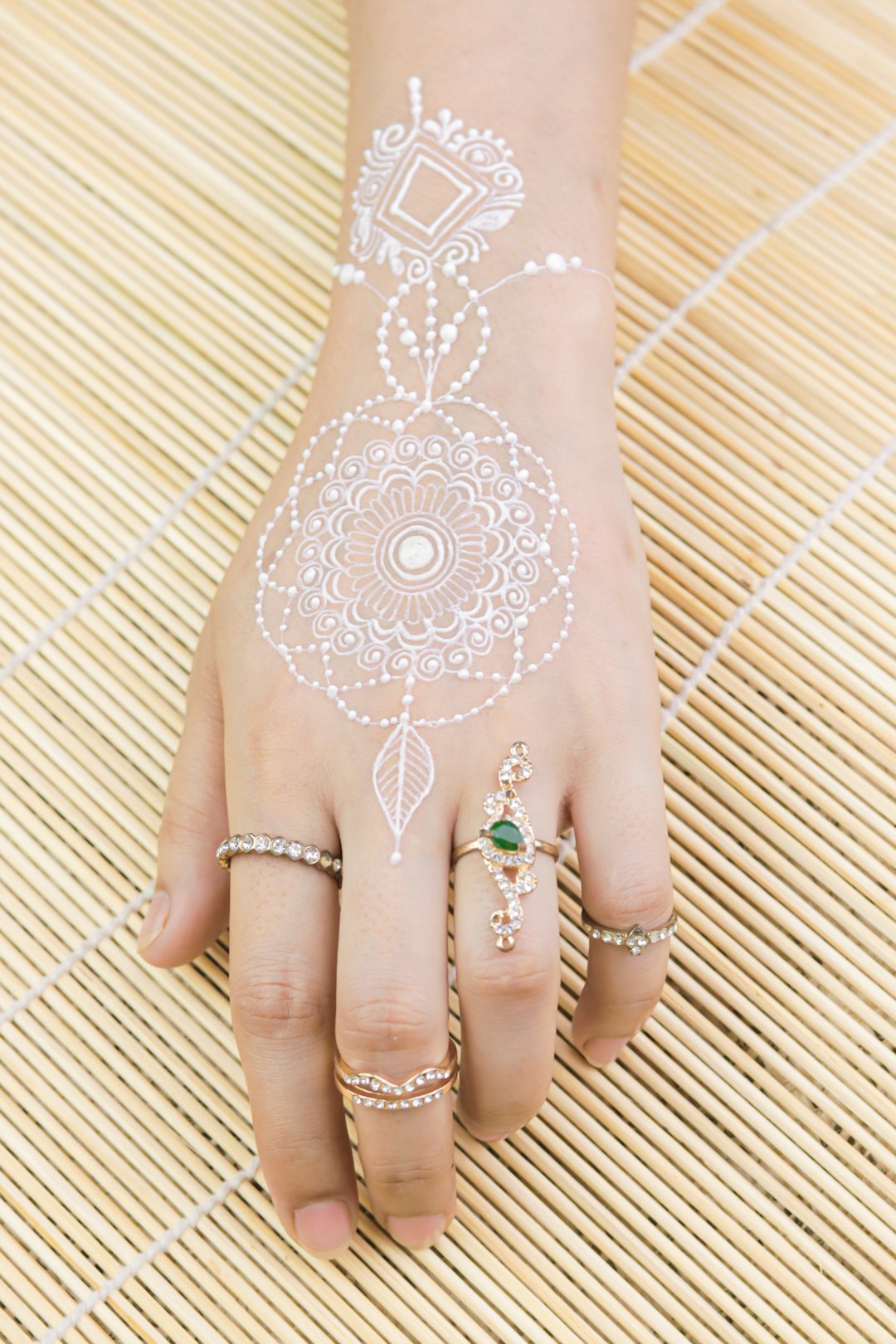
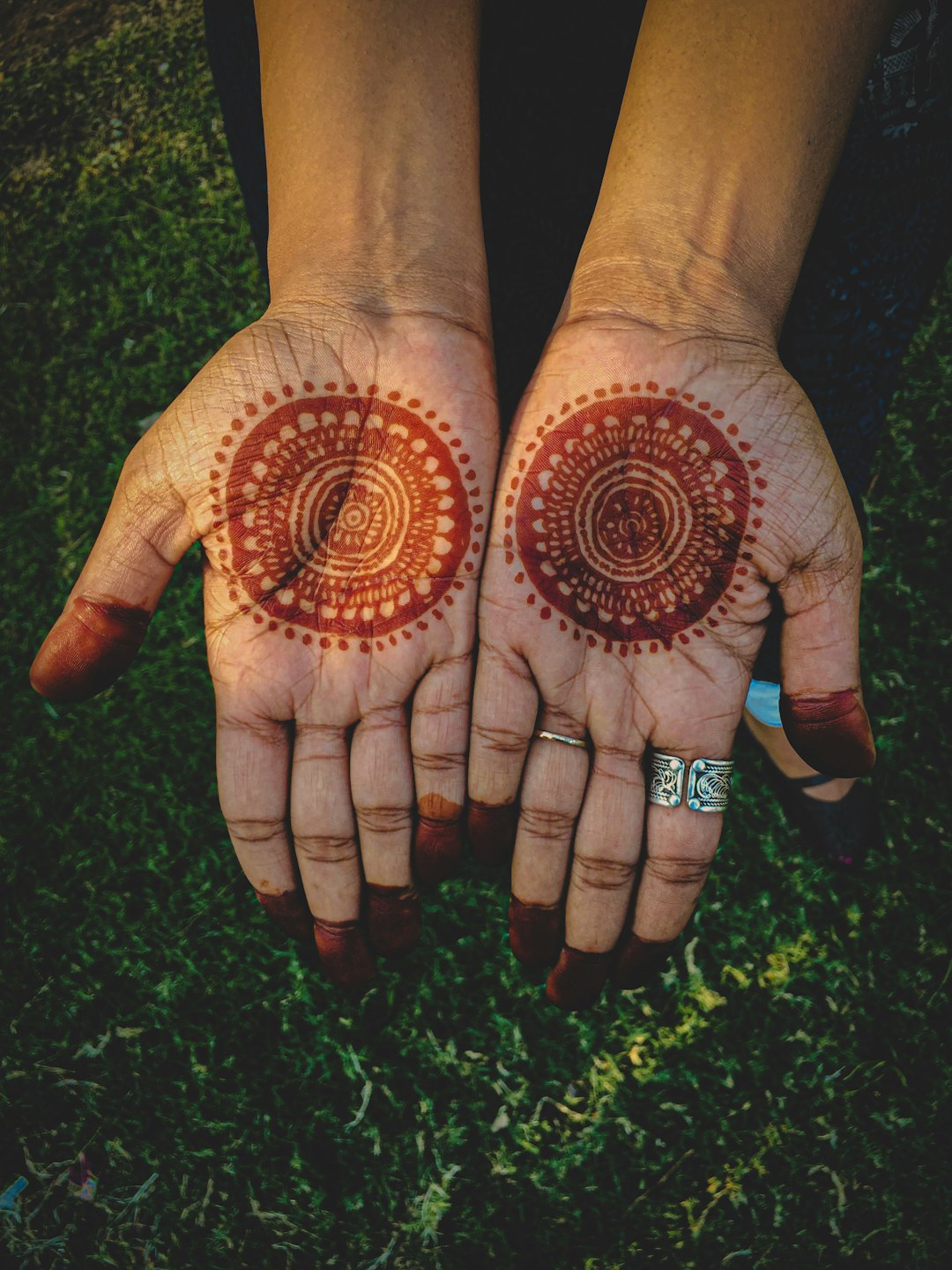
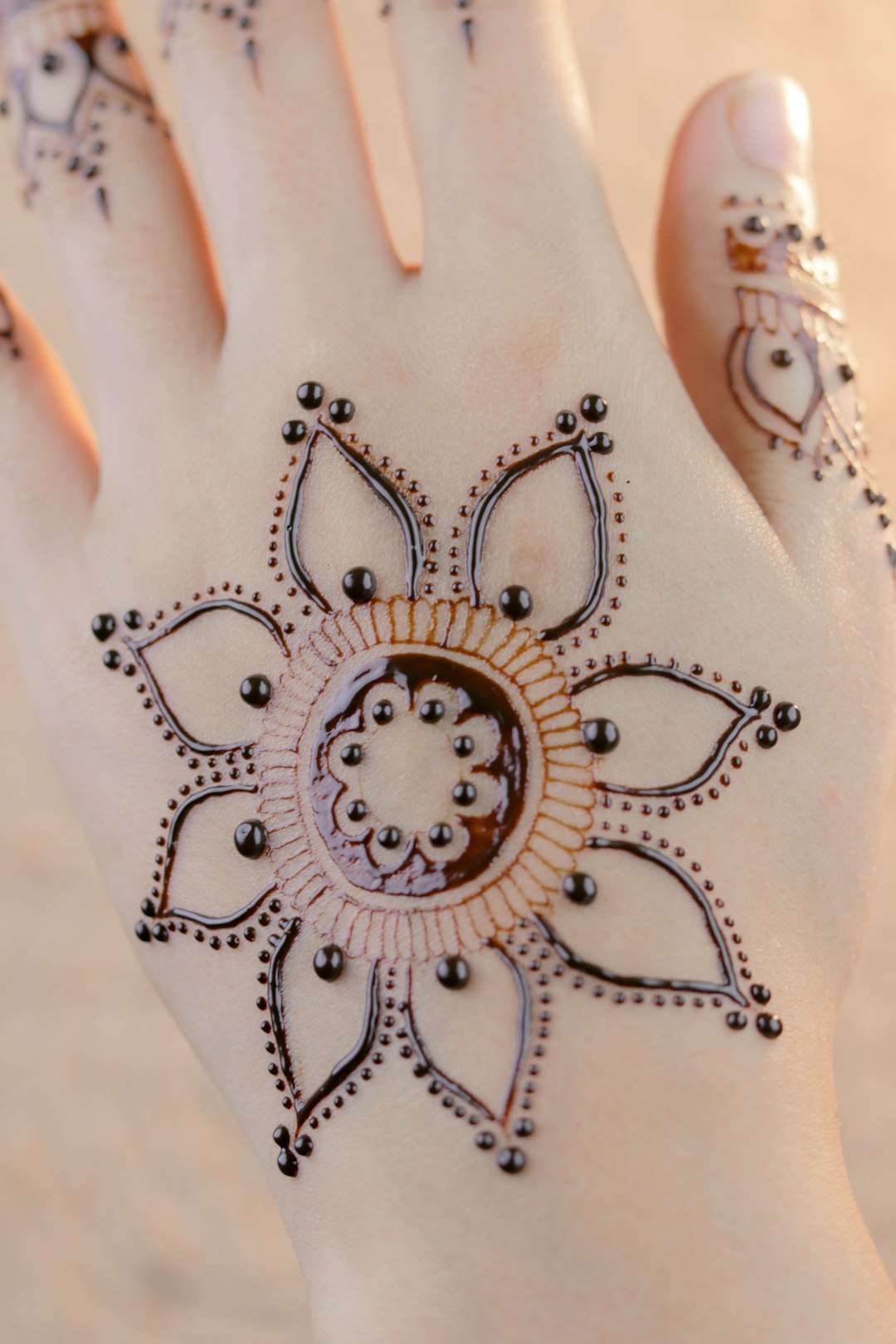
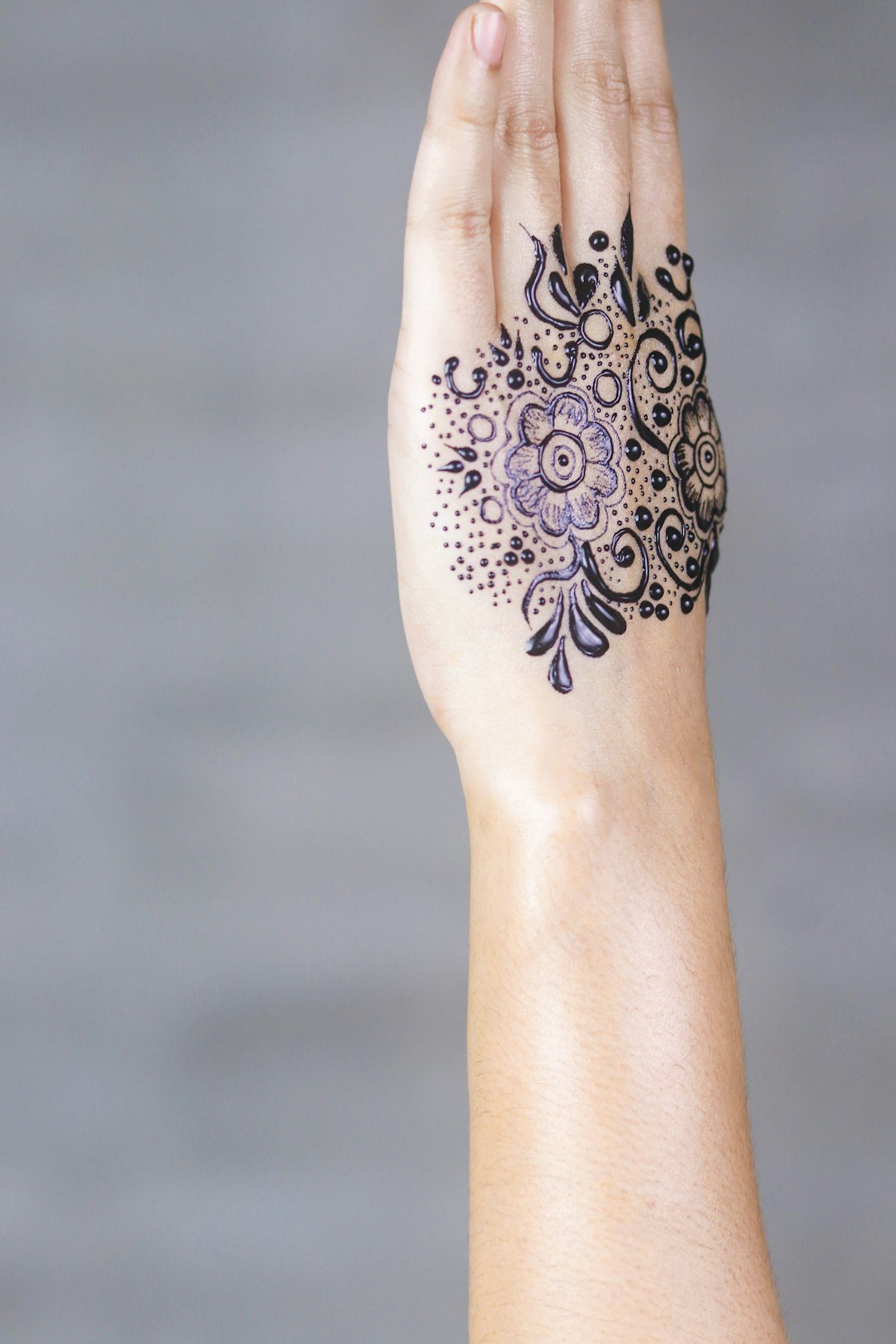
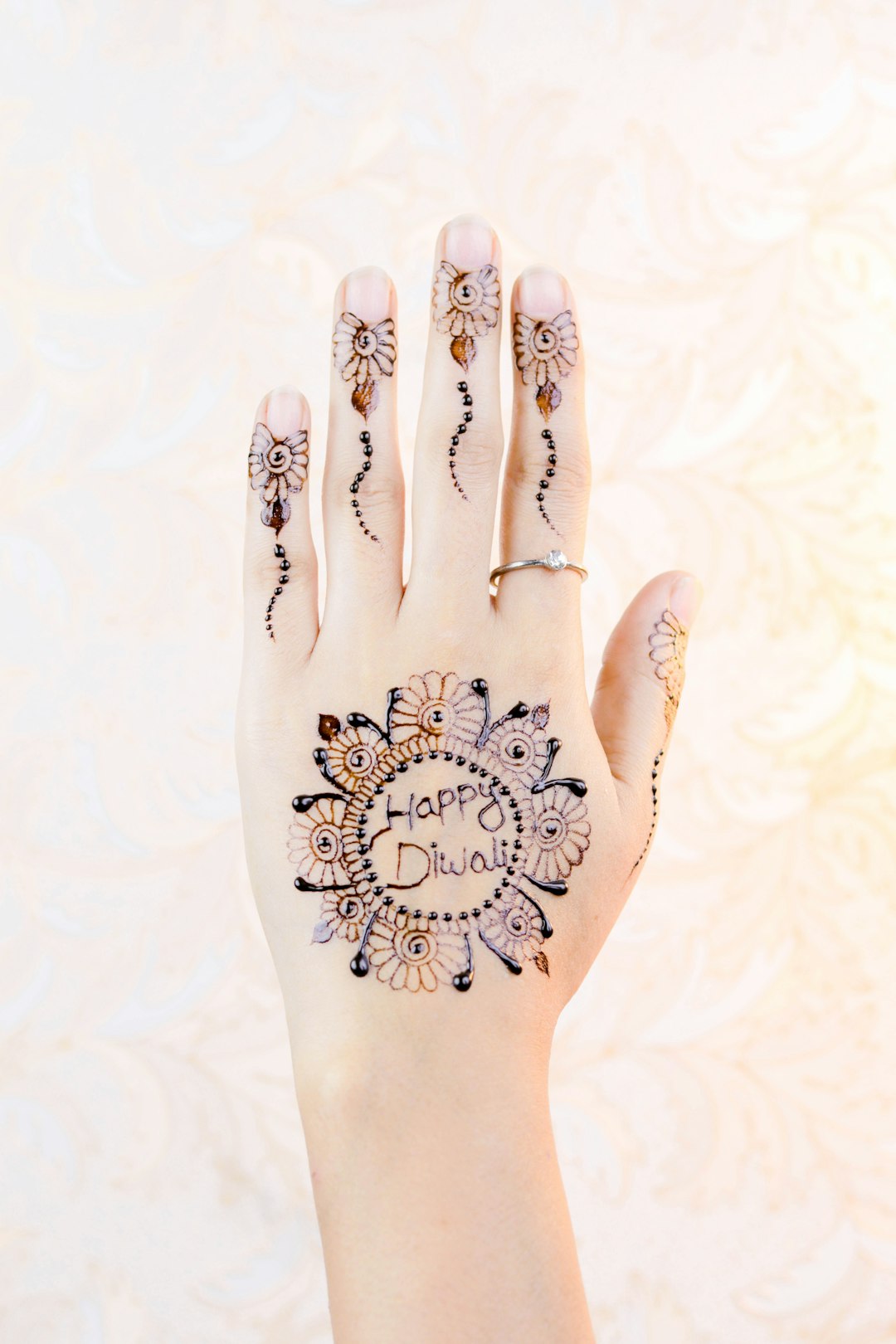
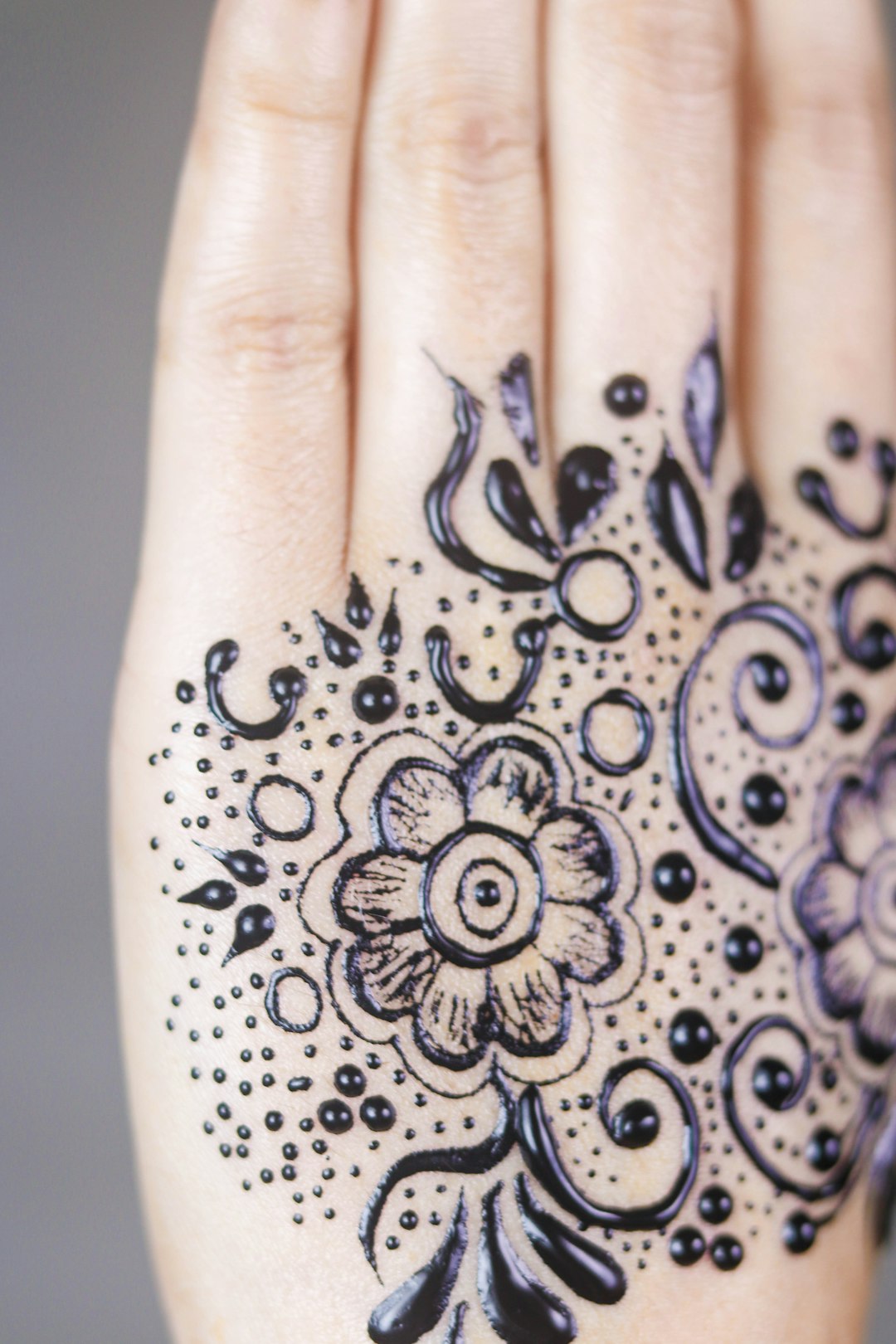
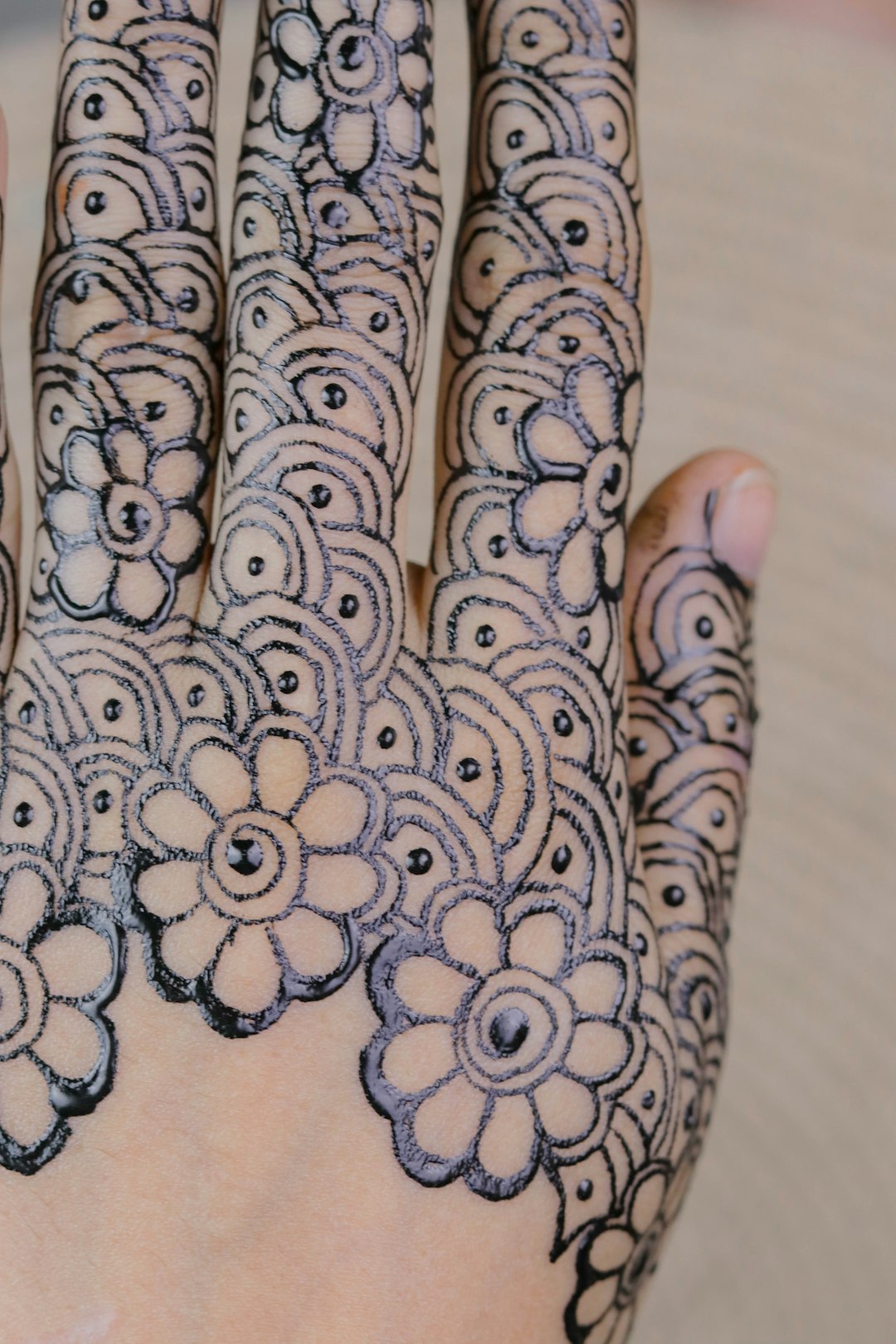
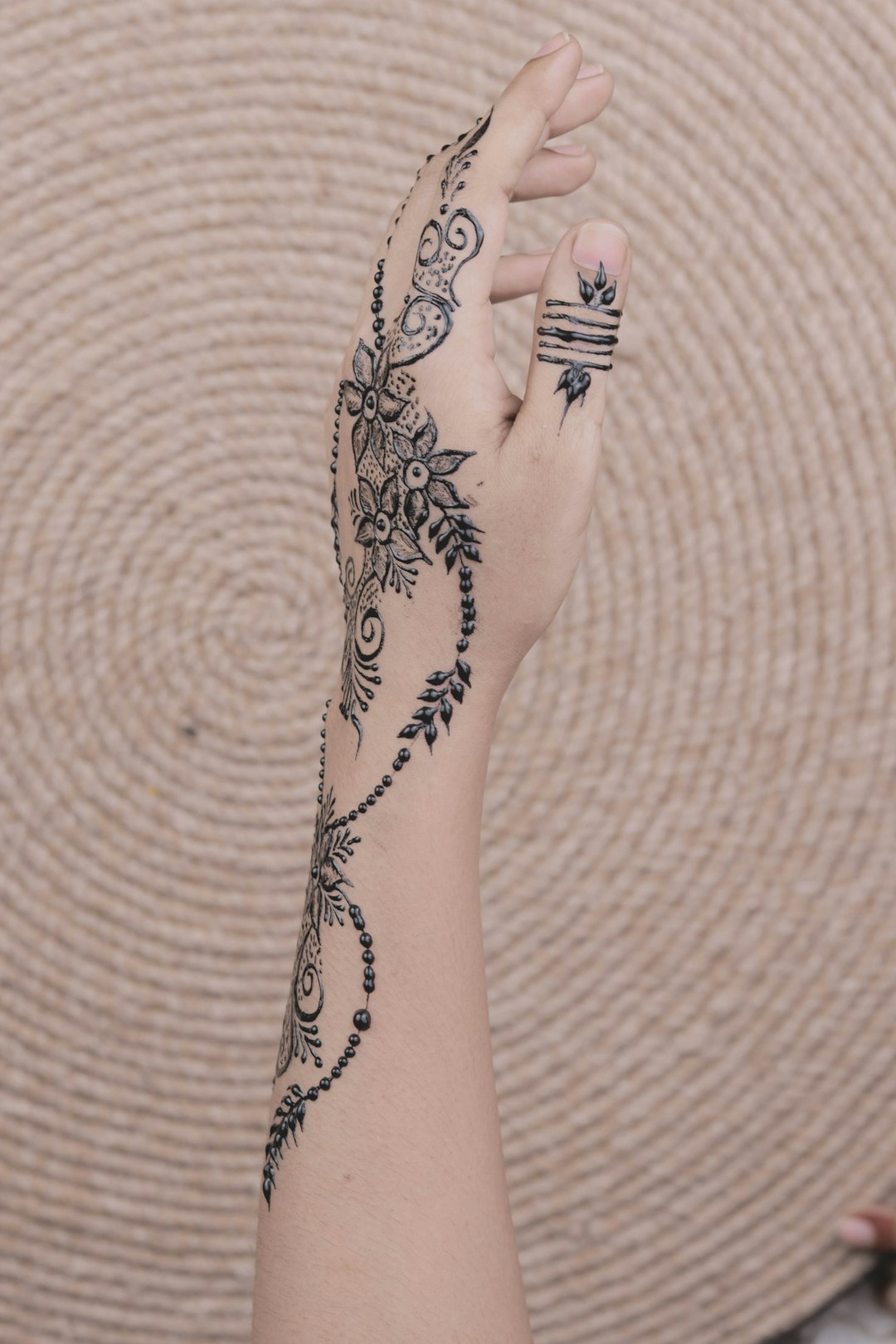
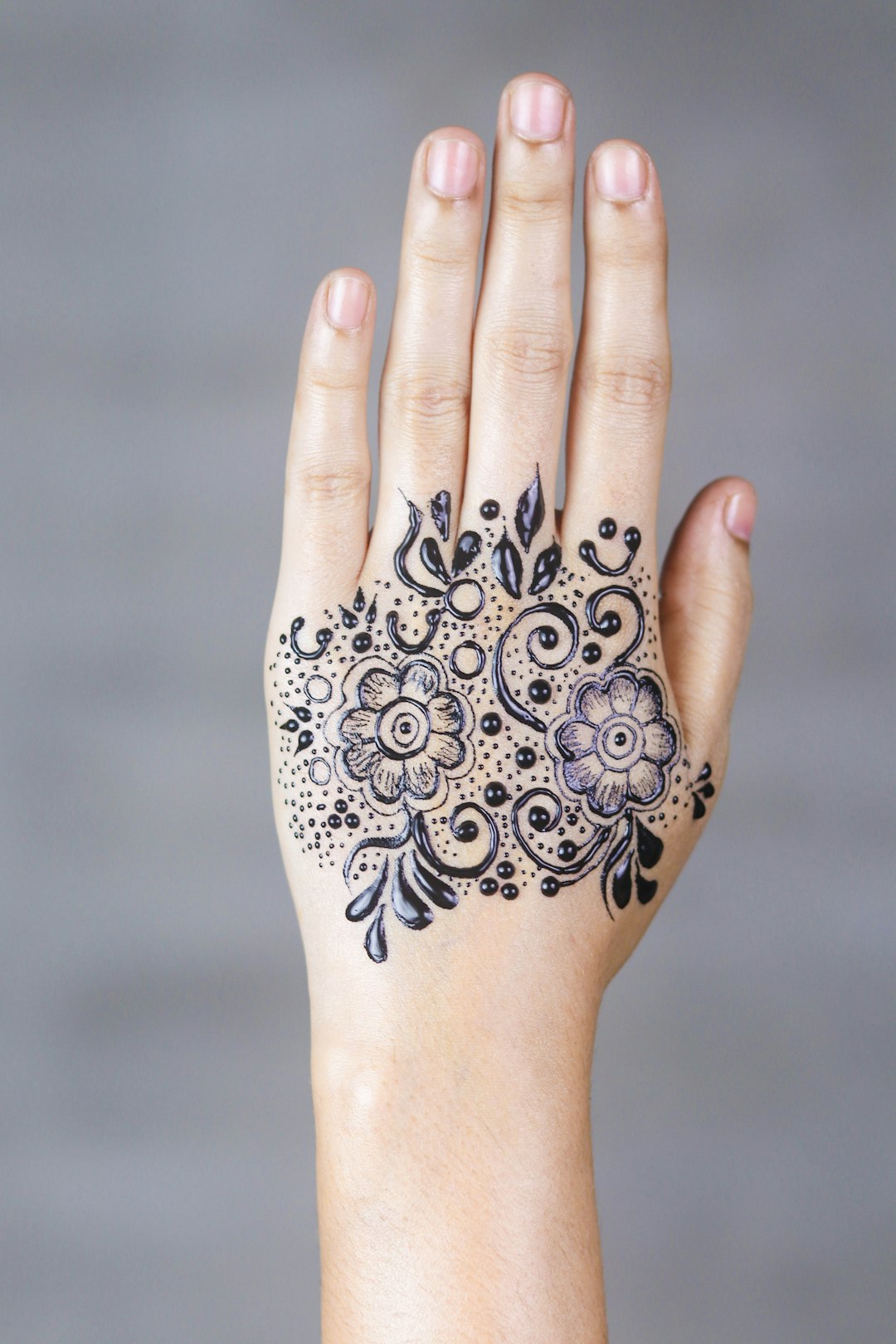
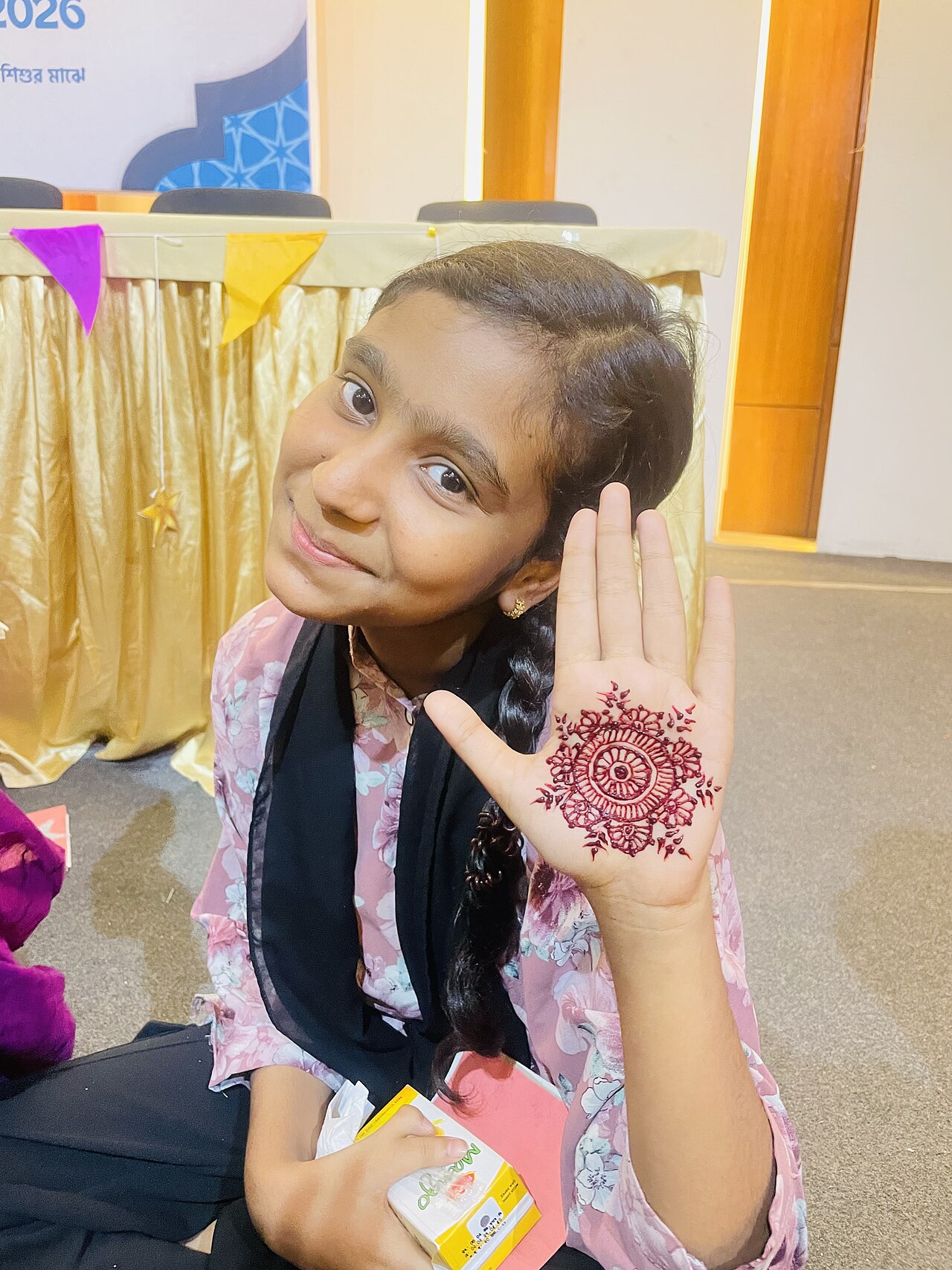
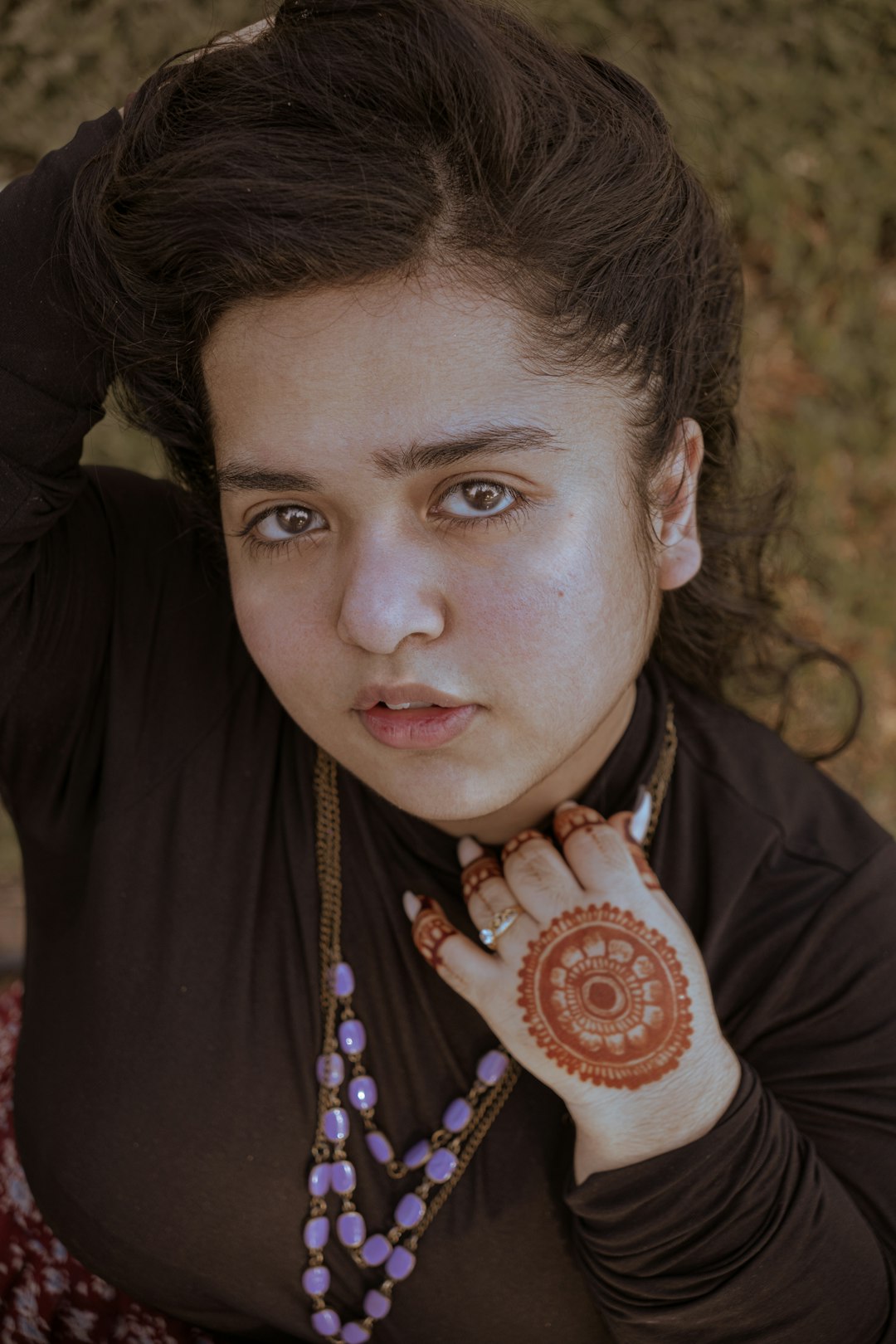
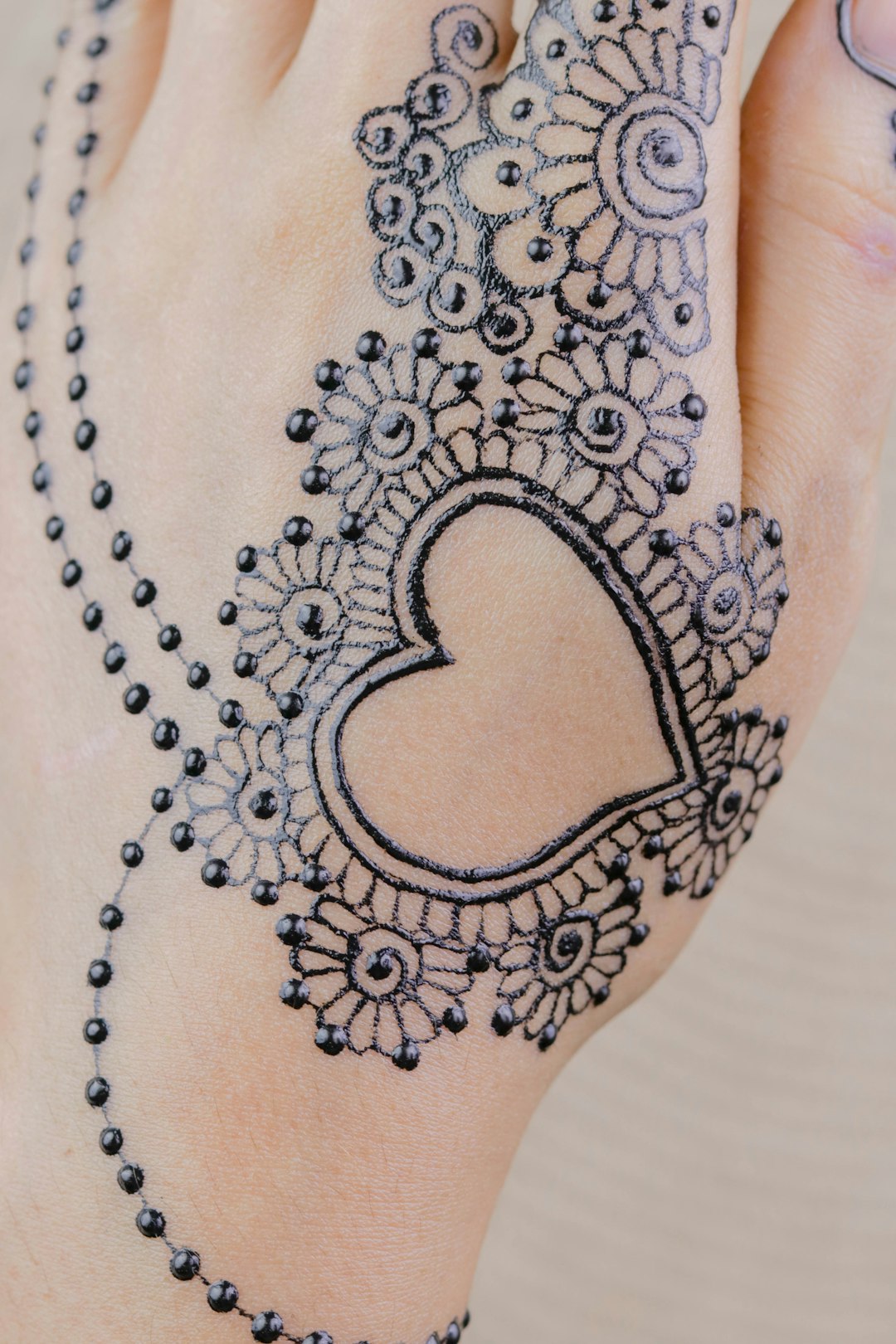
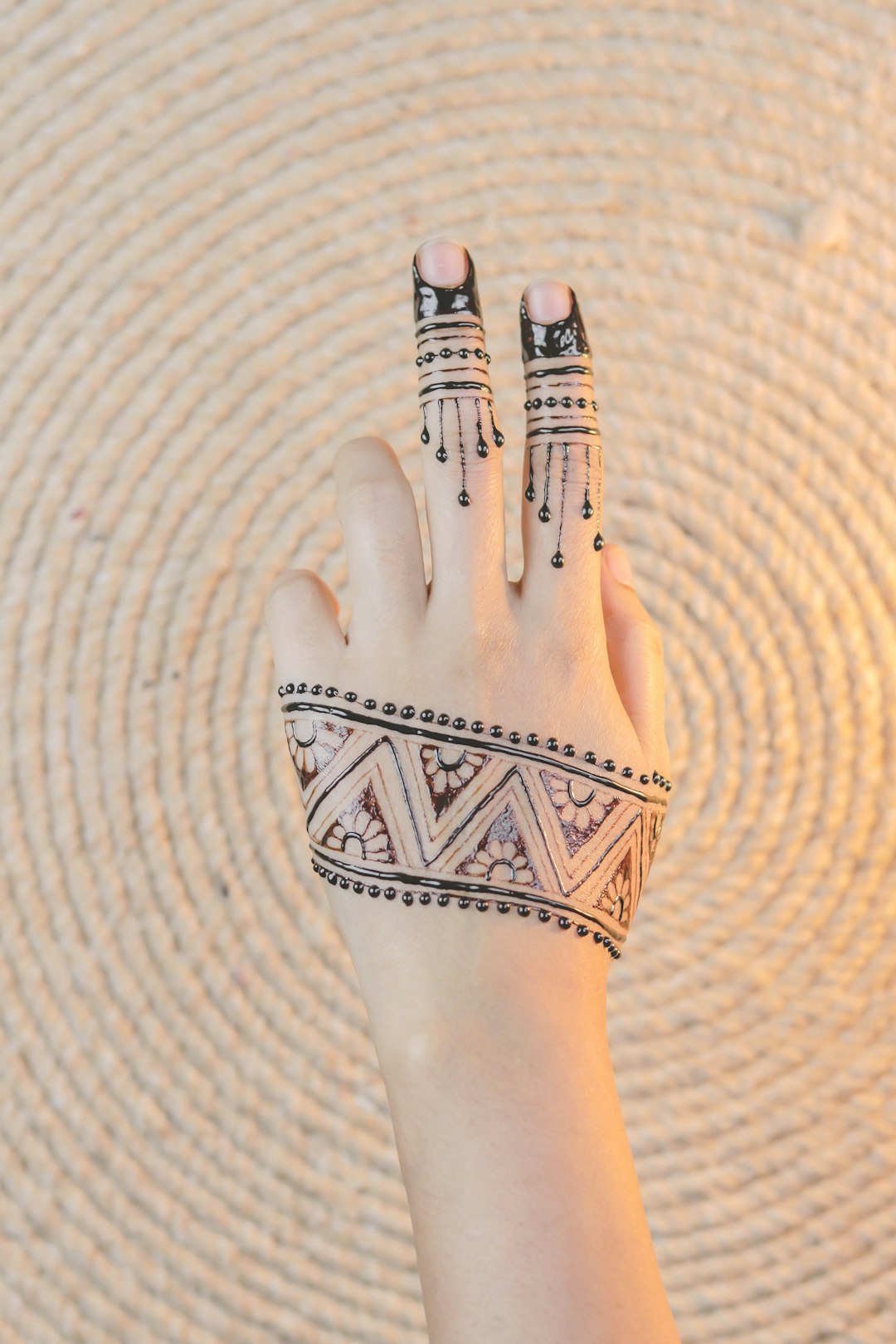
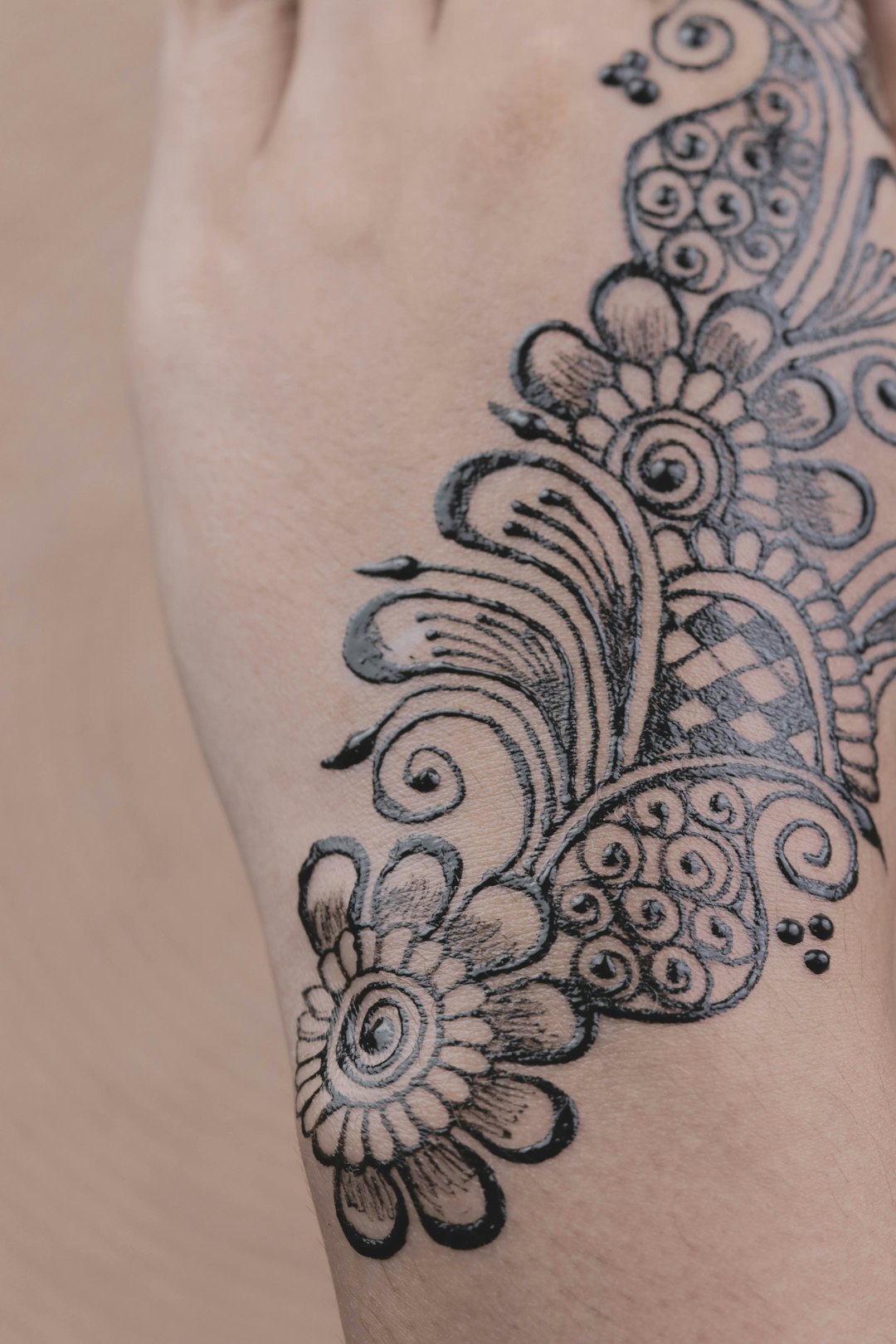
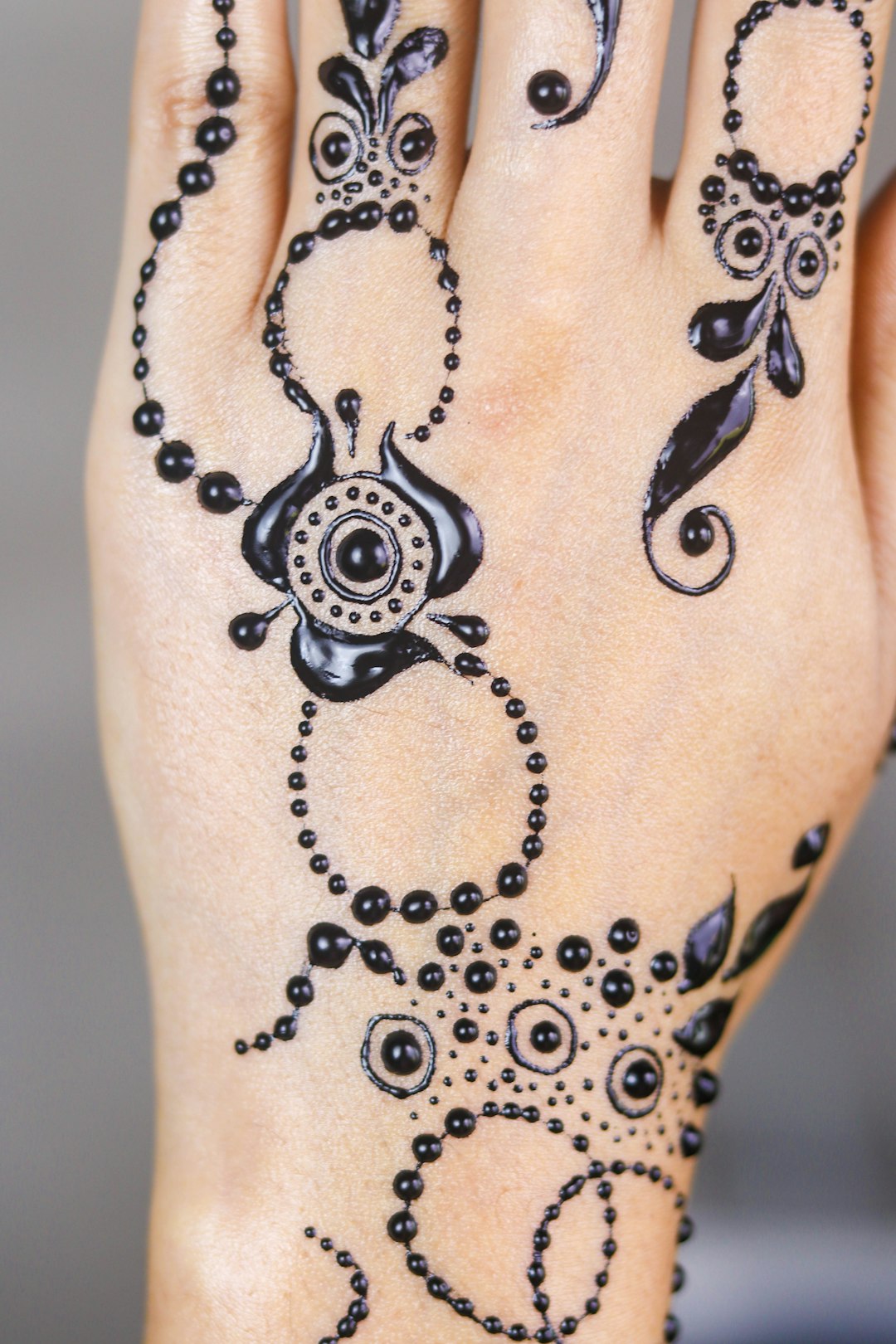
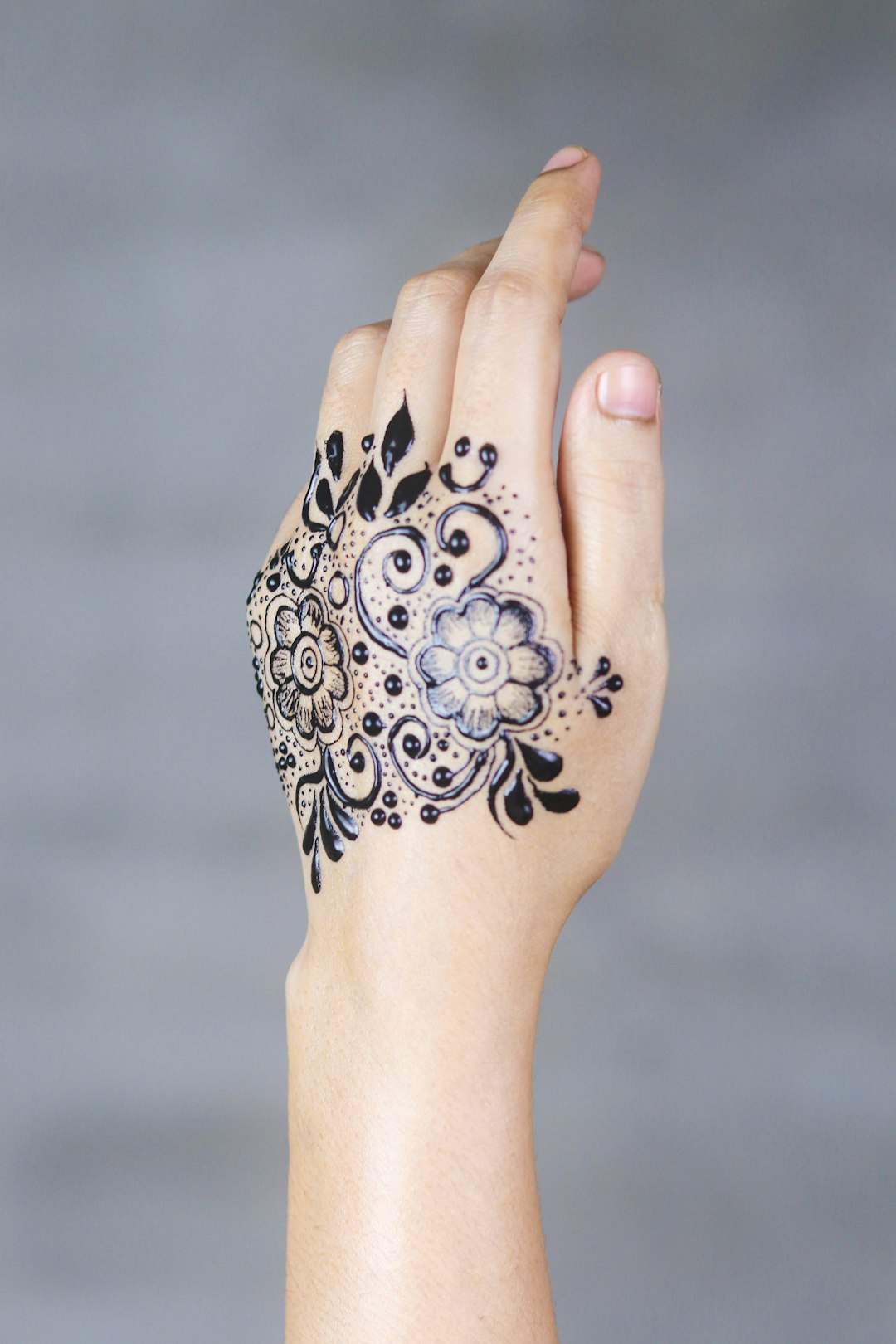
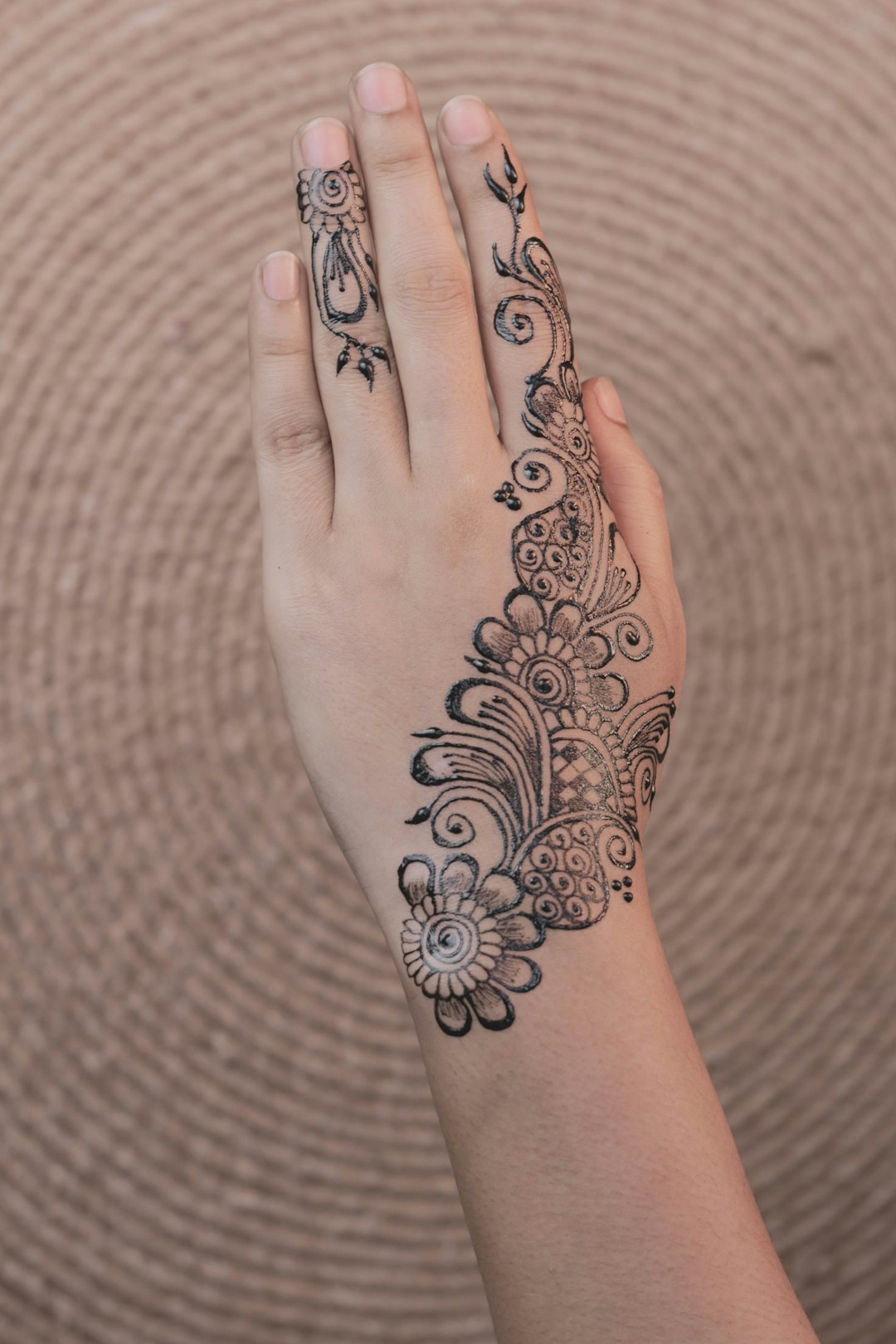
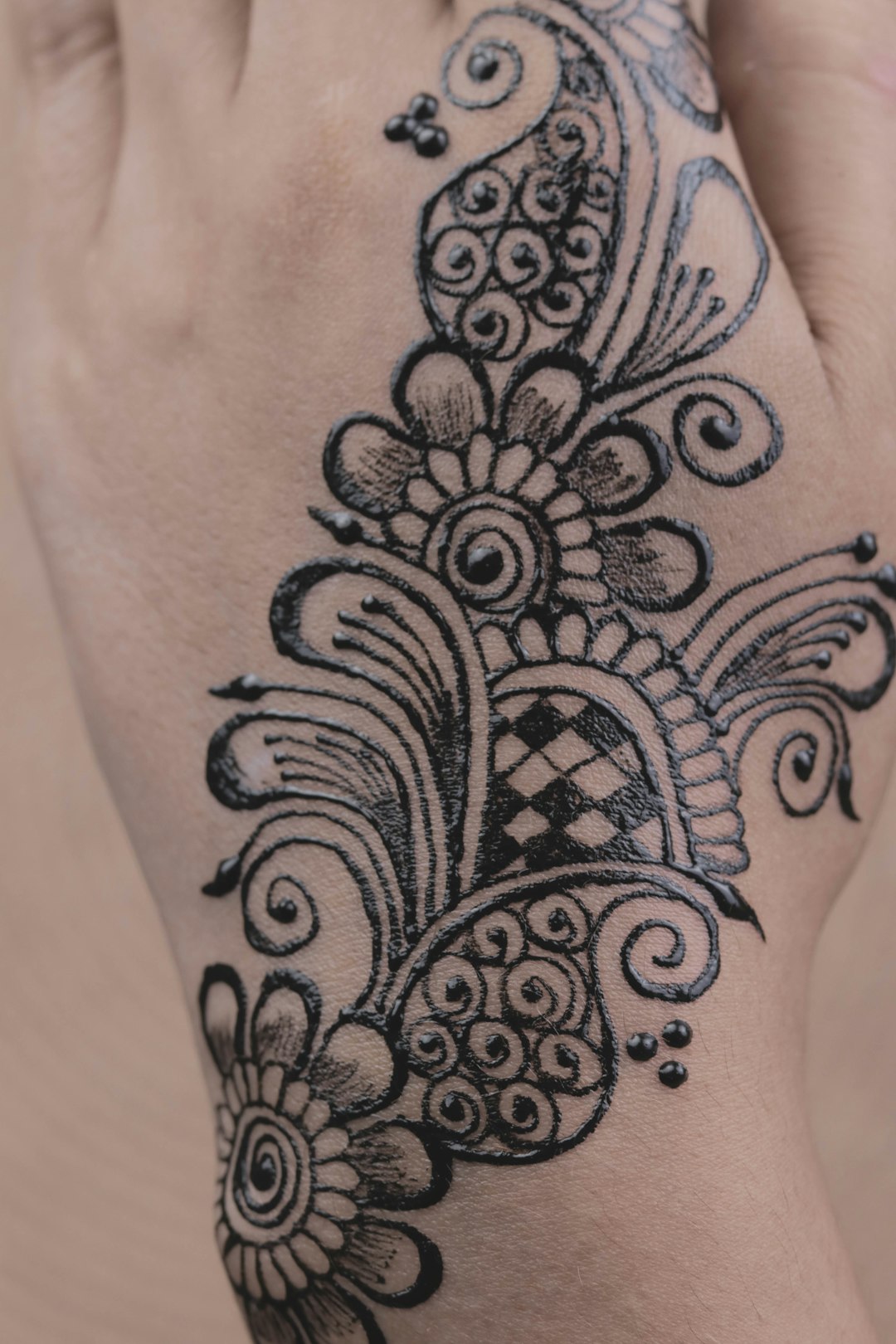
The art of henna is an ancient tradition that has found its place in the modern world, offering a unique form of personal expression. Within this rich tradition, mandala designs stand out for their complexity and beauty. These geometric patterns are not only visually appealing but also carry deep spiritual significance in many cultures. In this gallery at bodibook.com, we explore the fascinating world of mandalas in henna, from their origins to current trends.
What is Henna and Mandalas?
Henna is a plant whose leaves are used to create a natural dye that is applied to the skin. This art has been practiced for centuries in various cultures, especially in South Asia and the Middle East. On the other hand, mandalas are circular designs that symbolize unity and harmony. In the context of henna, mandalas transform into temporary works of art that adorn the skin and tell a story.
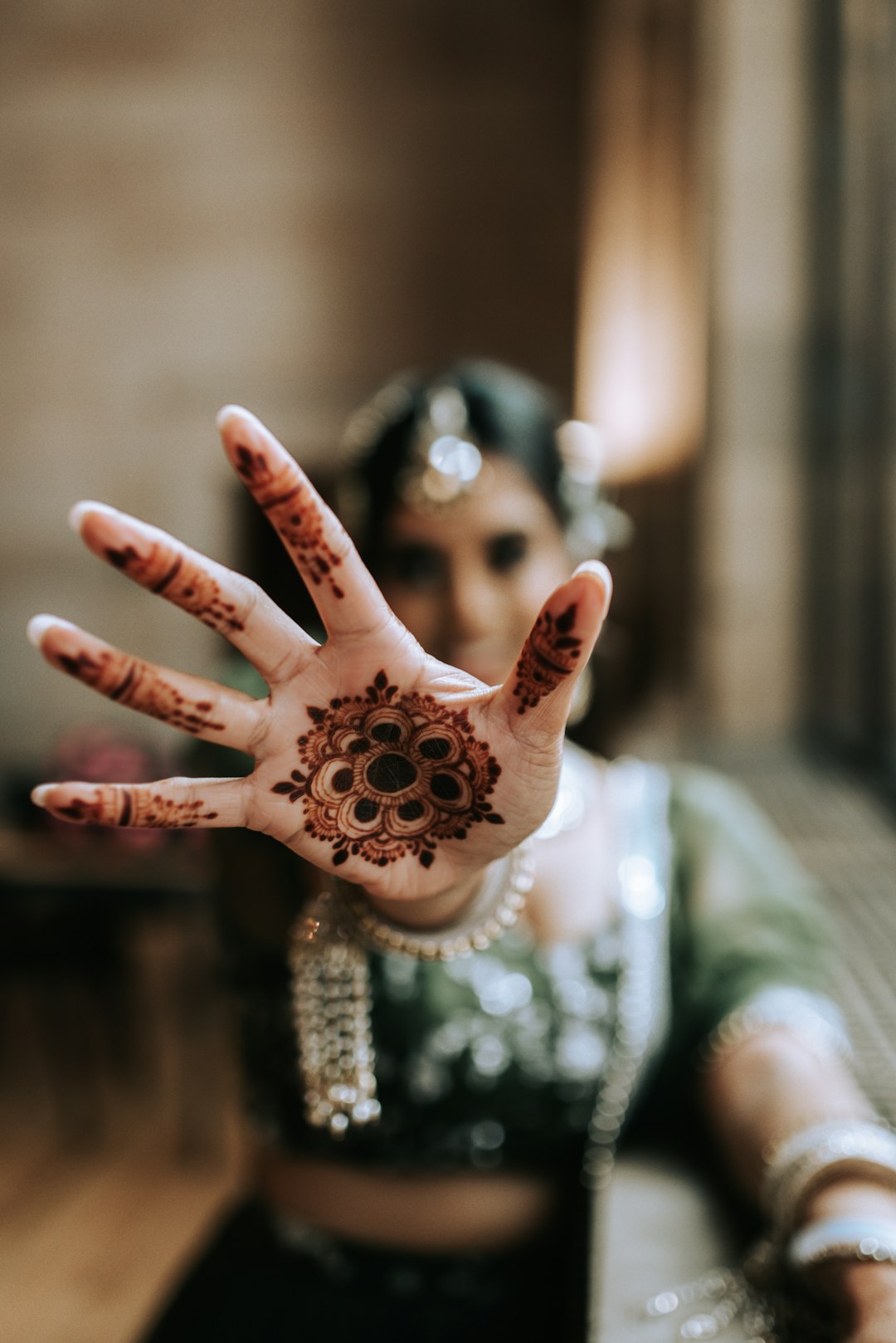
The combination of henna with mandalas not only results in an aesthetically pleasing design but also offers a spiritual connection for those who choose to wear these patterns on their skin. Each mandala is unique and can be personalized to reflect the personality and values of the wearer.
Styles and Types of Mandalas in Henna
Mandalas in henna can vary in style, from the simplest to the most intricate. Some of the most popular styles include:
- Classic Mandala: Symmetrical designs that expand from a central point.
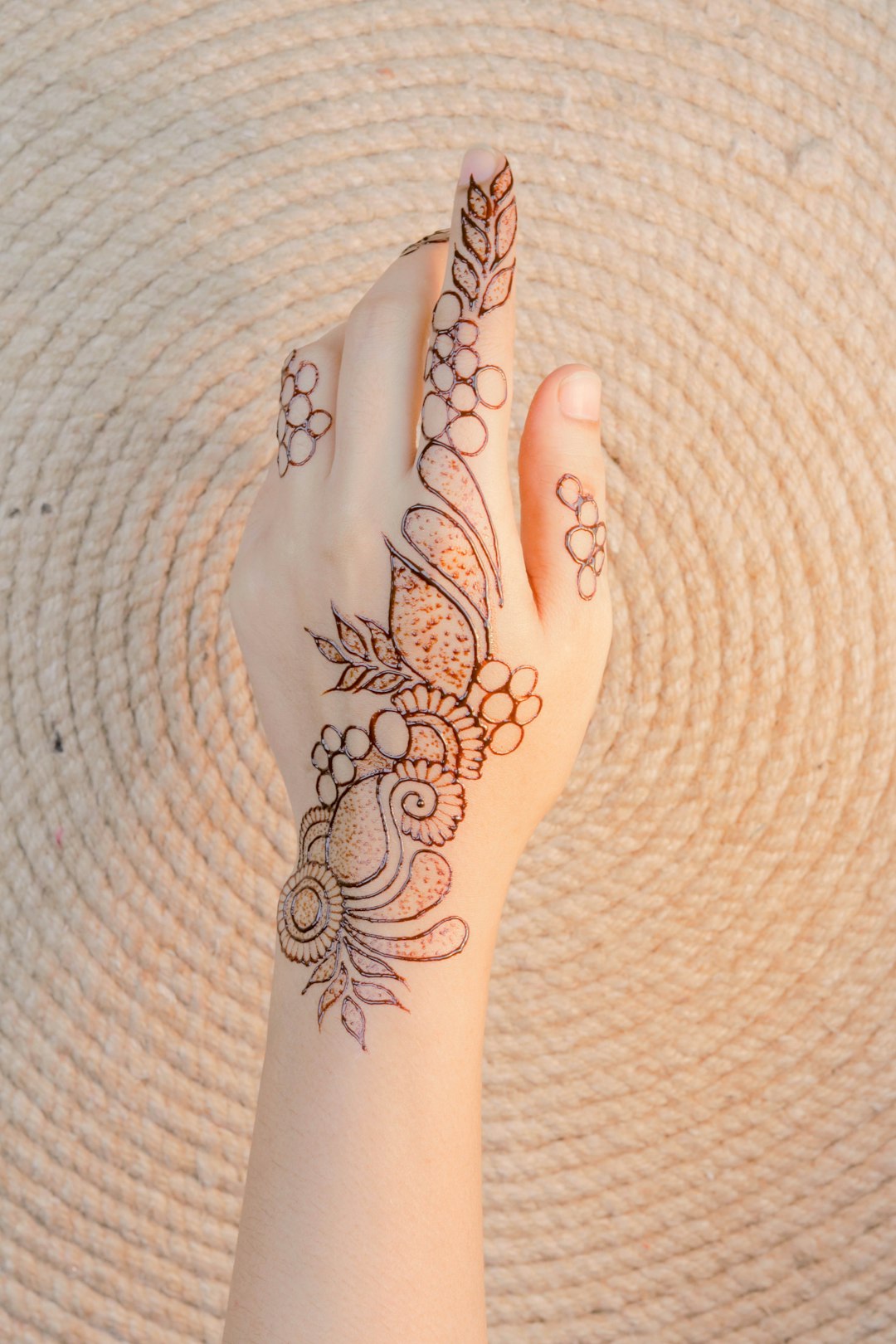
- Floral Mandala: Incorporation of natural elements like flowers and leaves.
- Geometric Mandala: Shapes and patterns that create a sense of movement.
- Tribal Mandala: Inspired by indigenous cultures, featuring more abstract forms.
Each of these styles has its own meaning and can be chosen based on personal preferences and the emotional connection one has with the design.
Placement and Application Techniques
The choice of placement for the henna design is crucial for its visibility and meaning. Some of the most common areas to apply mandalas include:
- Hands: Palms and fingers are popular spots, as henna looks beautiful and can be easily displayed.
- Arms: Mandalas on the arms can be larger and more detailed, creating an impressive work of art.
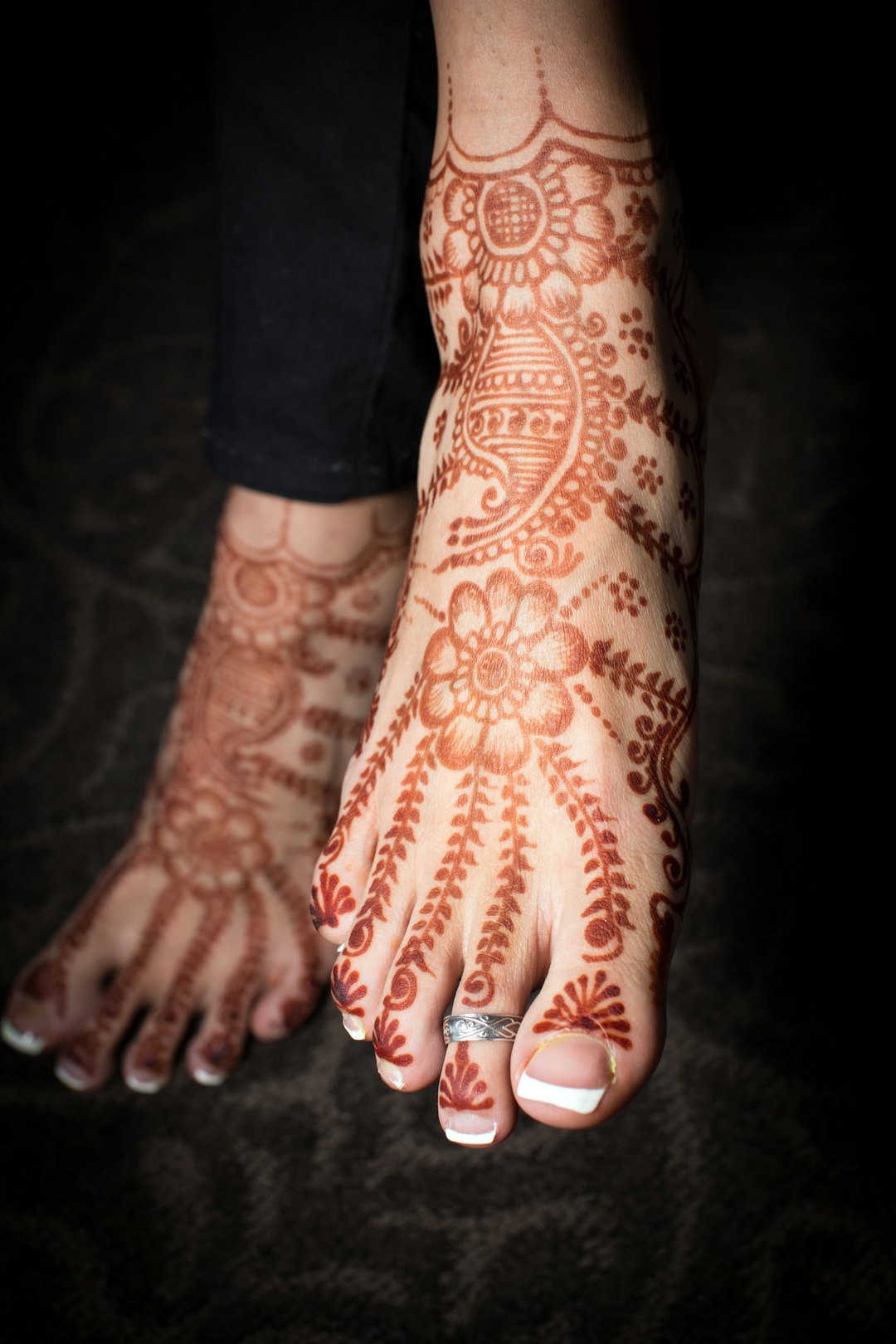
- Feet: Designs on the feet are especially significant in cultural traditions, often used in ceremonies.
- Back: This area allows for a broader and more detailed design, perfect for complex mandalas.
Application techniques may vary, but generally include the use of a henna cone to draw the patterns. The precision and skill of the artist are essential to achieve a clean and attractive design.
Care and Maintenance of Henna
Once you have a mandala design in henna, it is important to follow some care tips to prolong its duration. Here are some tips:
- Avoid water: Keep the area dry for at least 24 hours after application.
- Avoid strong soaps: Opt for gentle cleansers to prevent the color from fading.
- Moisturize the skin: Use natural oils or moisturizers to keep the skin in good condition.
- Avoid direct sun exposure: The sun can fade the henna color more quickly.
By following these tips, you can enjoy your henna mandala for a longer time and keep its beauty intact.
Trends and Inspiration
Today, mandalas in henna have gained popularity worldwide, not only for their beauty but also for their meaning. More and more people are choosing these designs for special events such as weddings, festivals, and cultural celebrations. Social media has played an important role in spreading these trends, allowing artists to showcase their work and clients to seek inspiration.
At bodibook.com, you will find a wide variety of galleries with photos of mandalas in henna, where you can explore different styles and techniques. These images can serve as inspiration for your next design and help you choose the mandala that best fits your personality.
We invite you to discover more about the art of henna and mandalas in our gallery at bodibook.com. Explore, get inspired, and find the perfect design for you.