
Photo gallery
24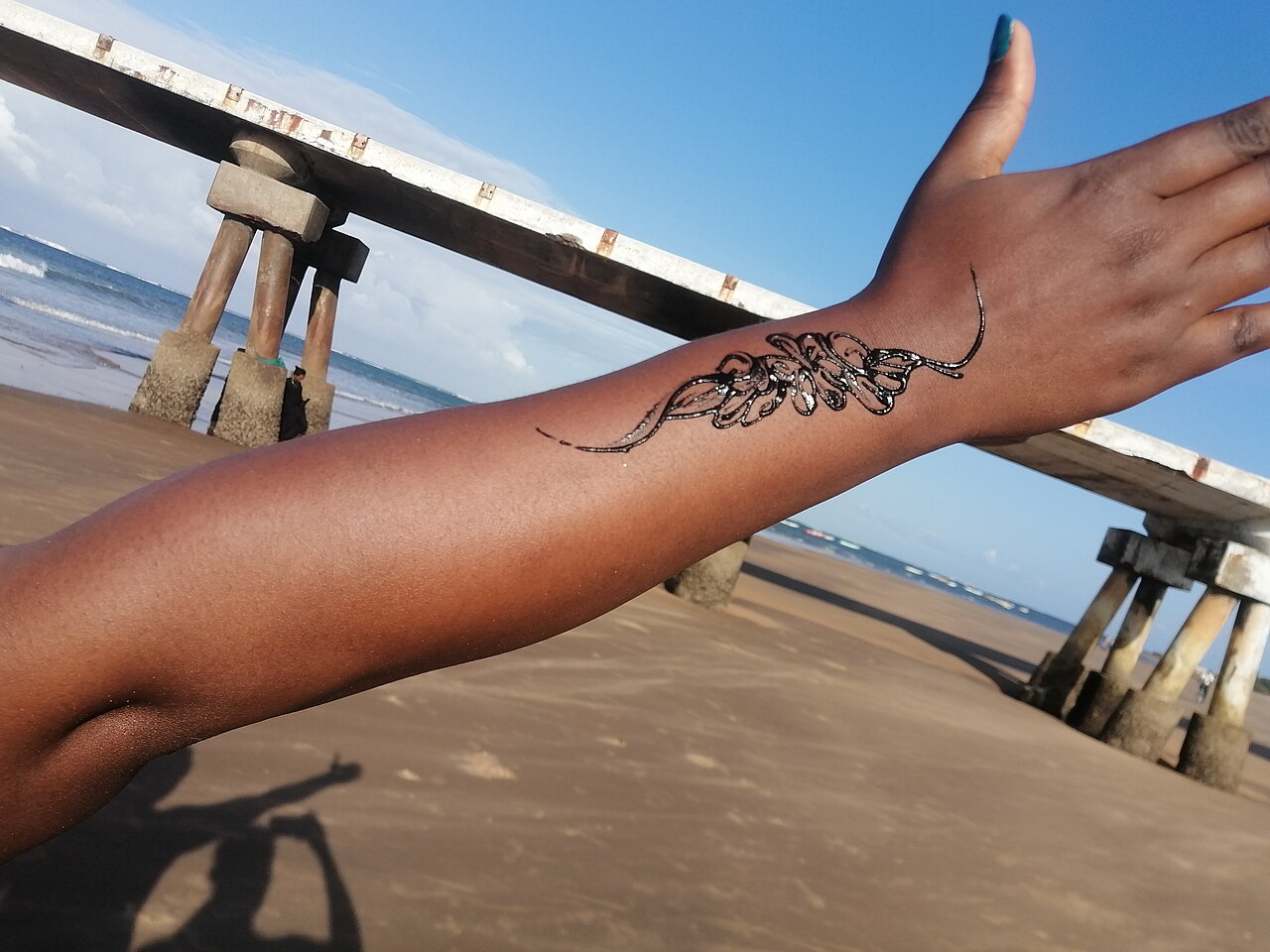
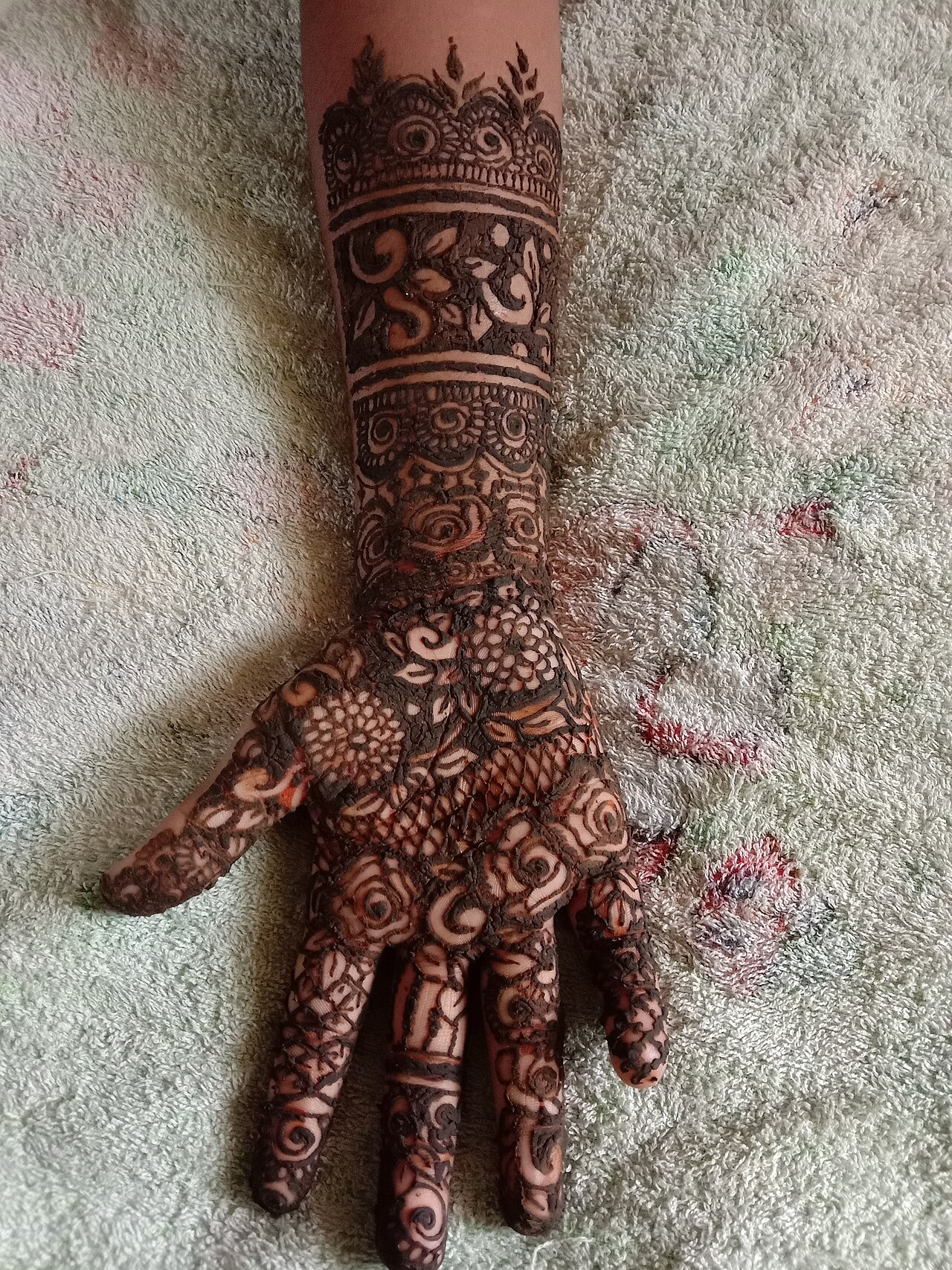
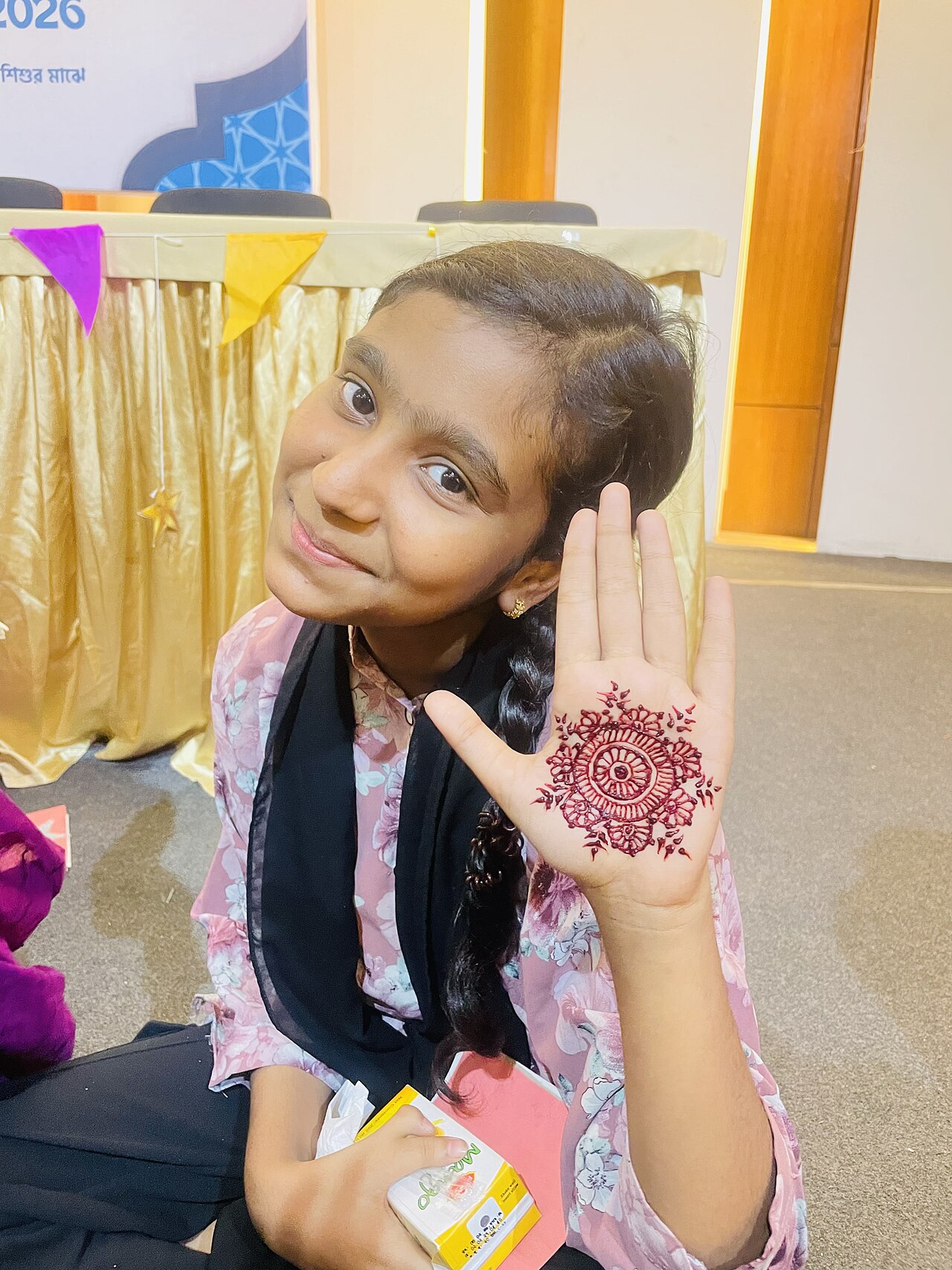
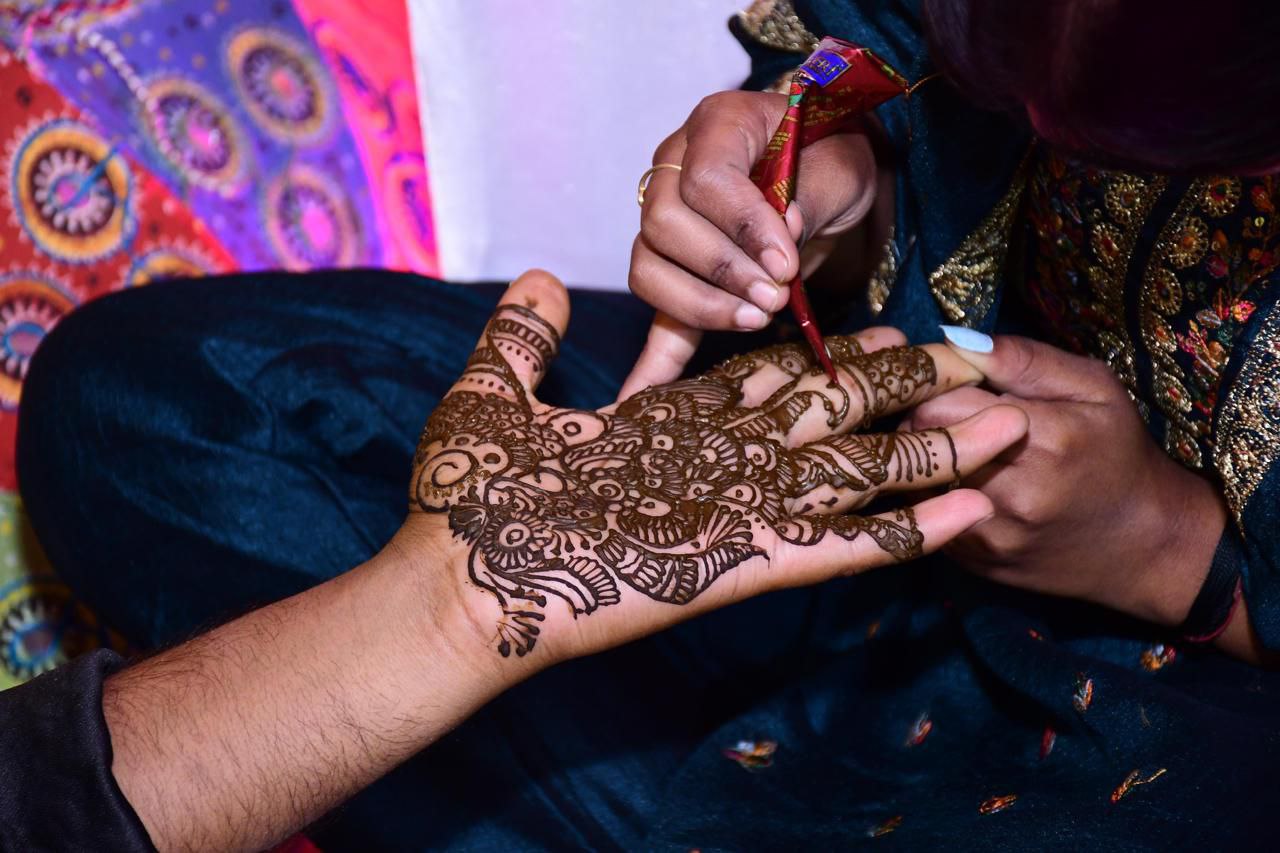
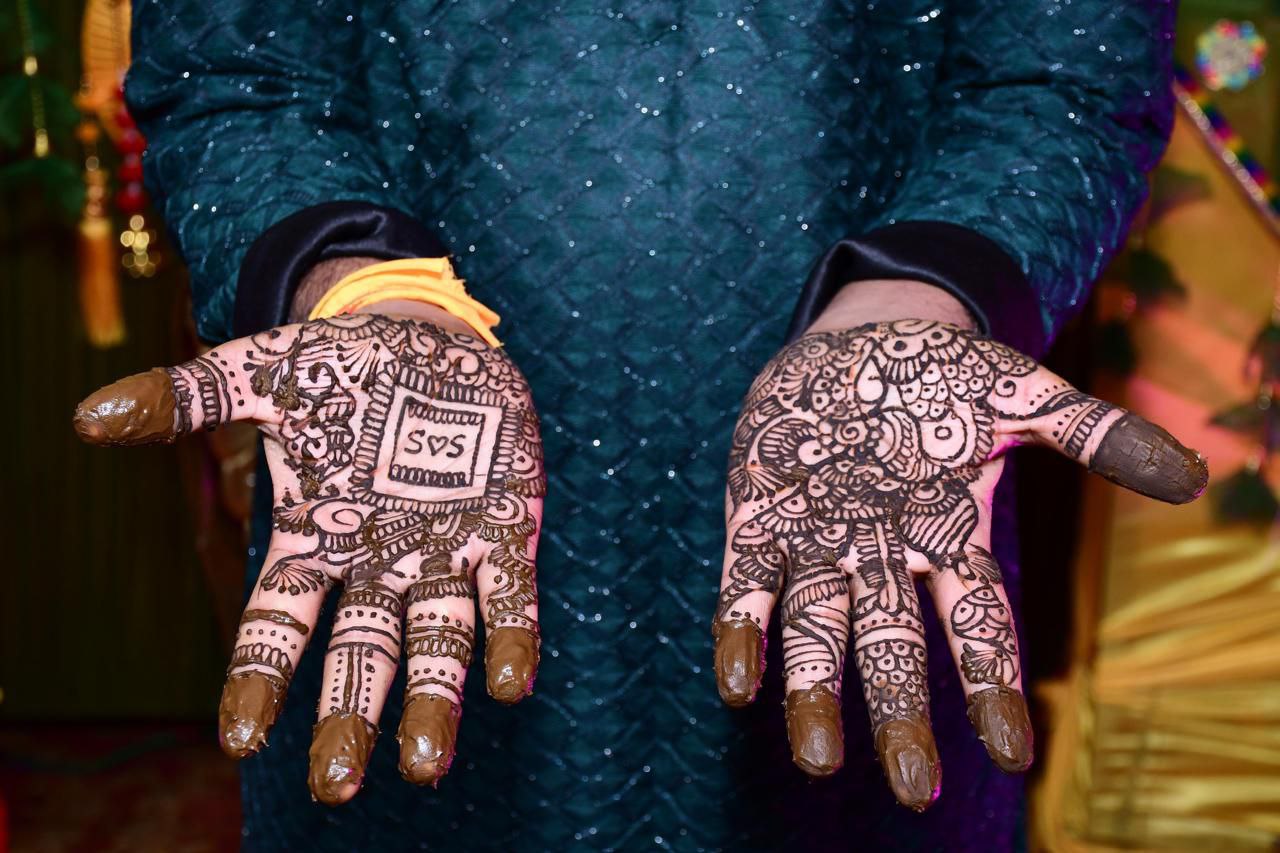
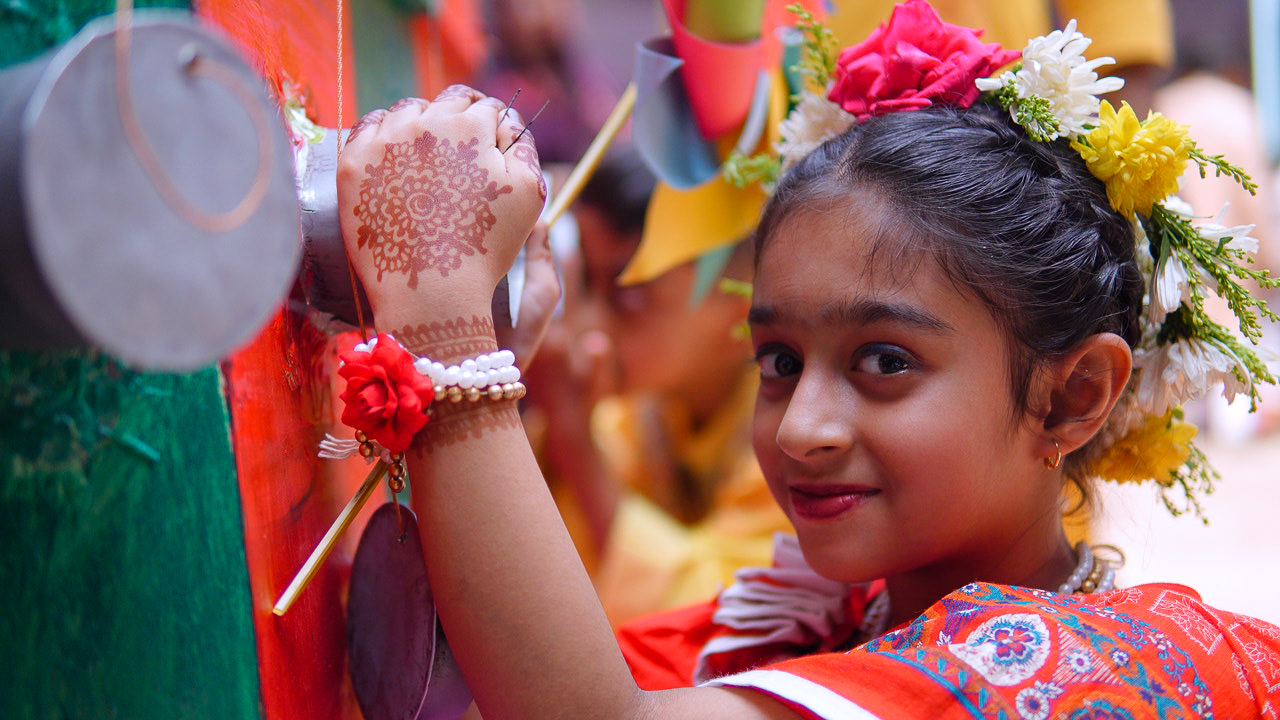
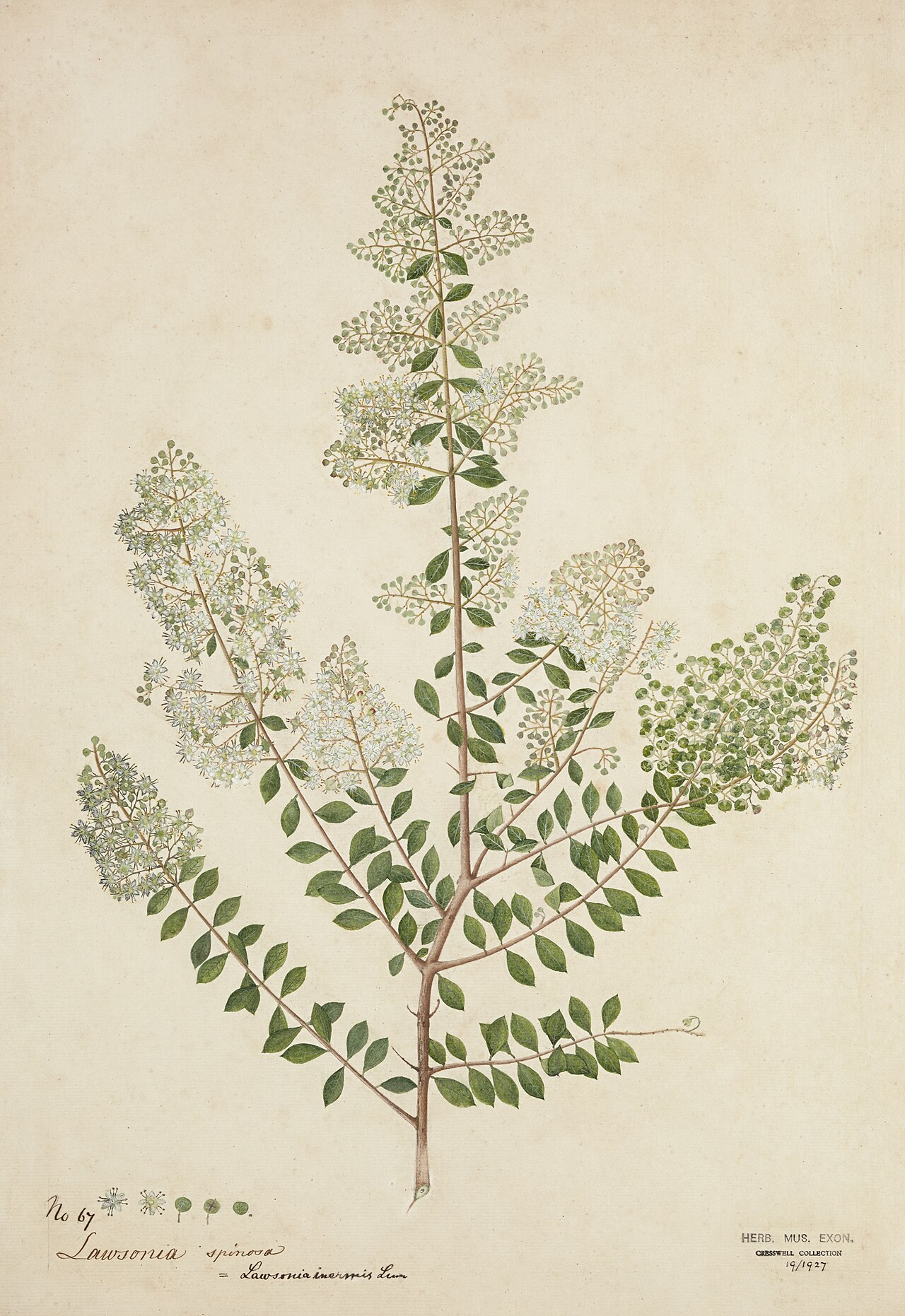
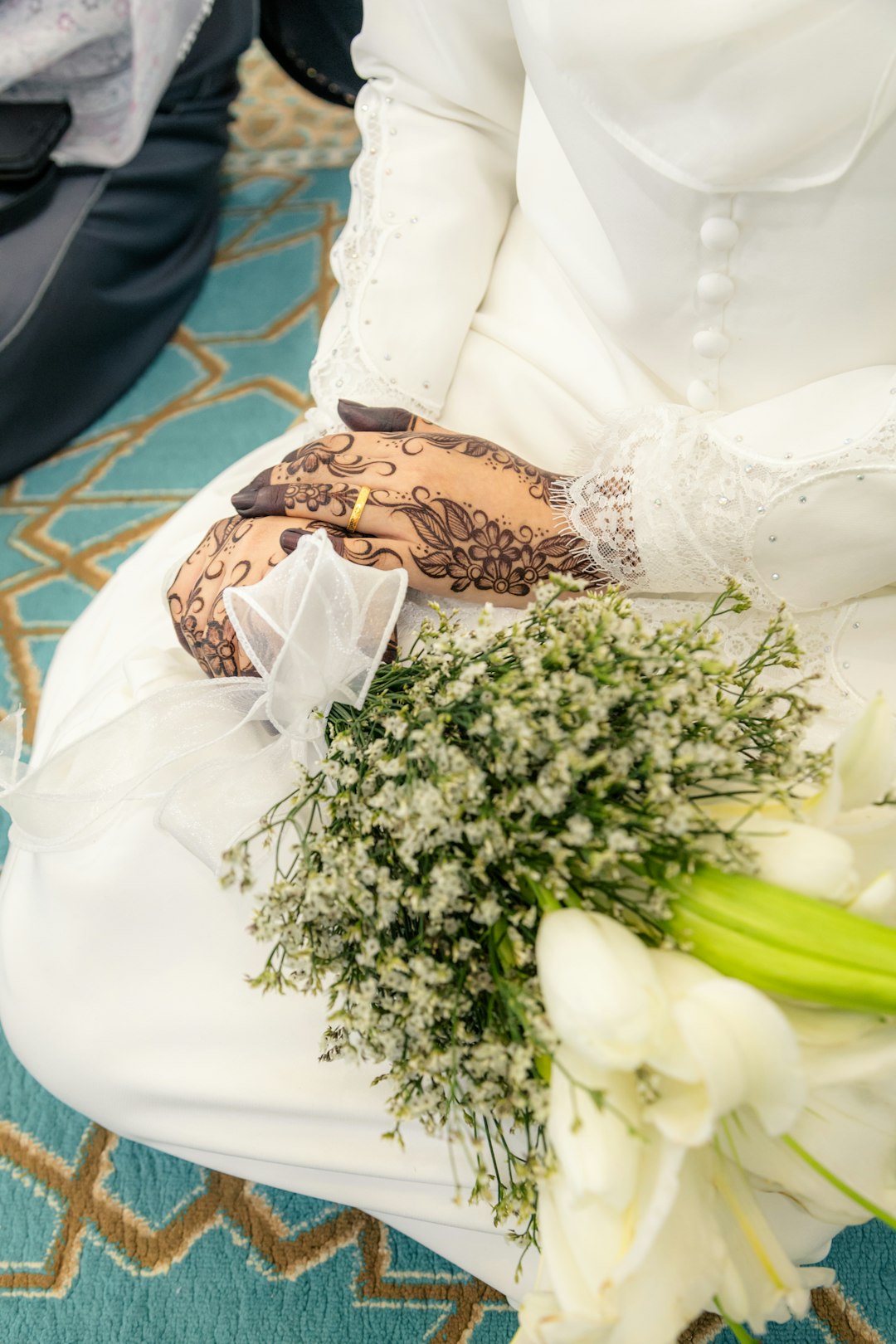
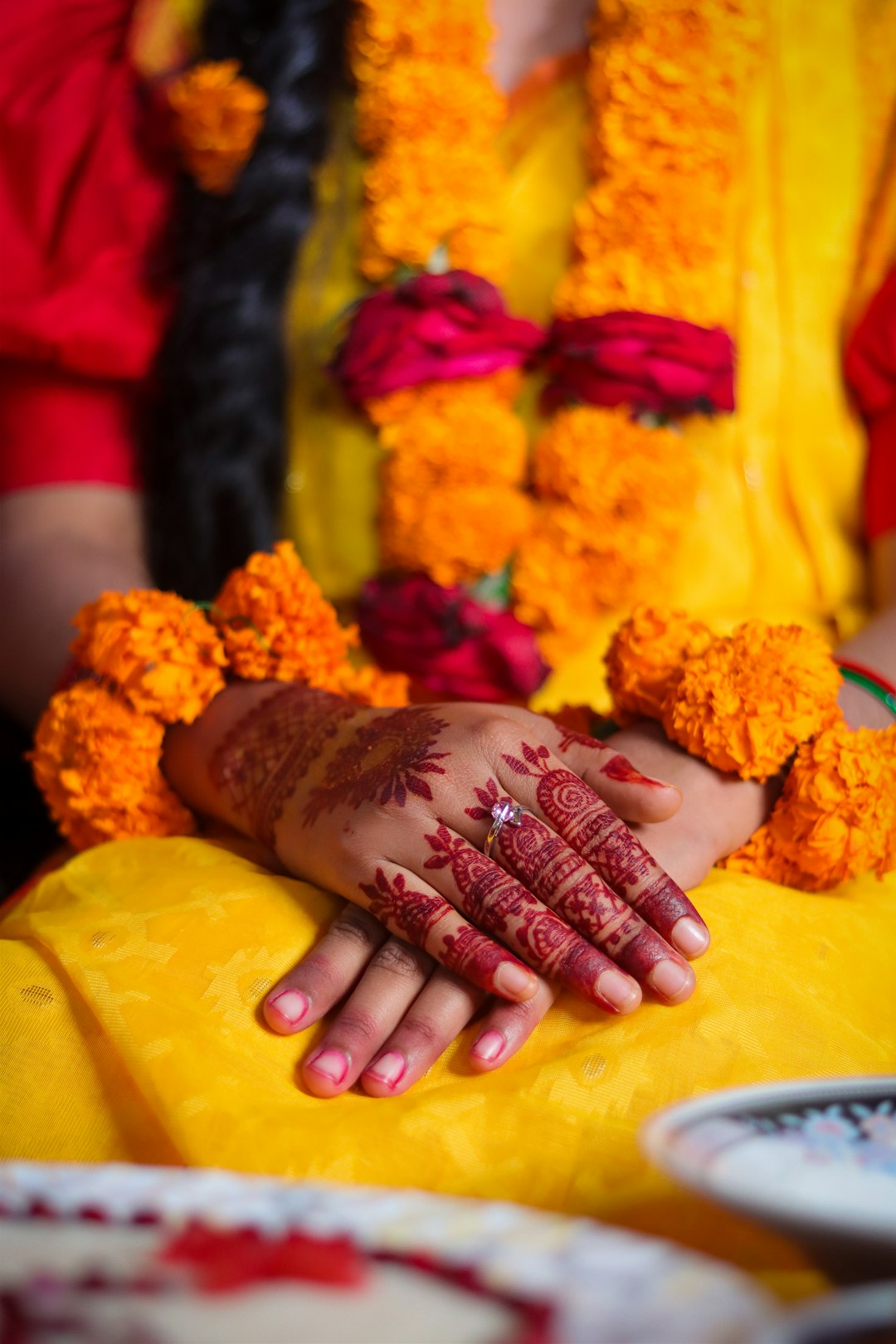
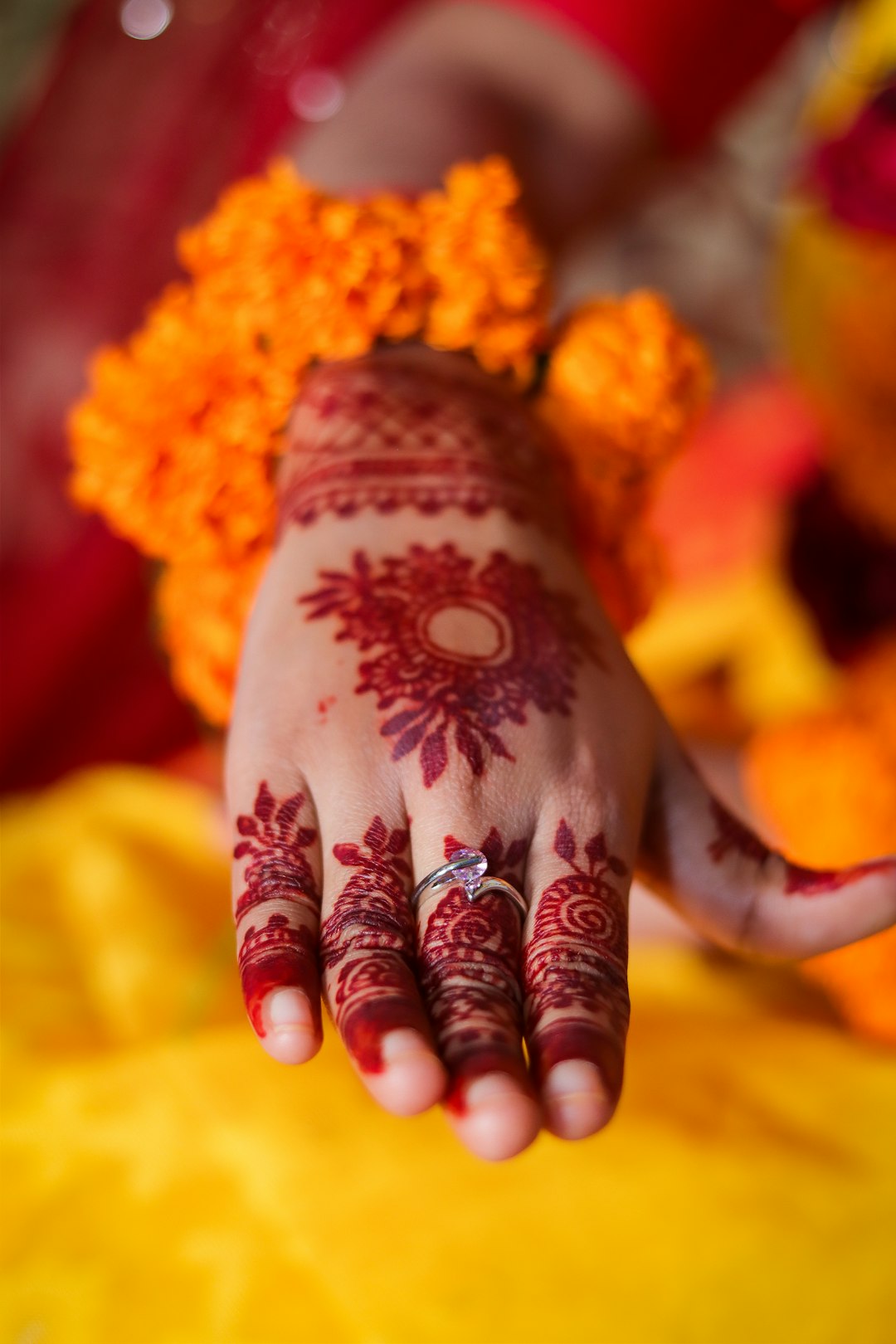
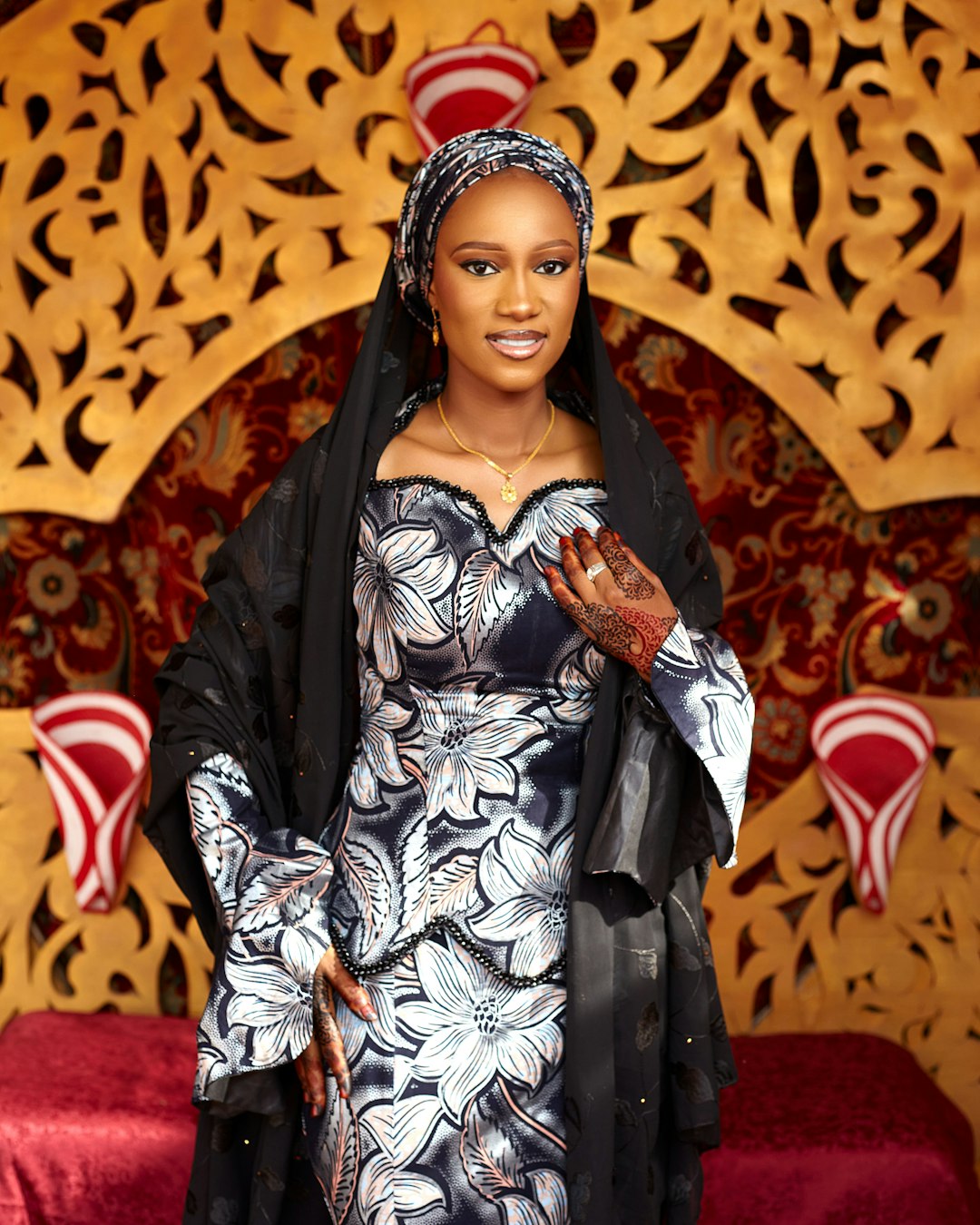
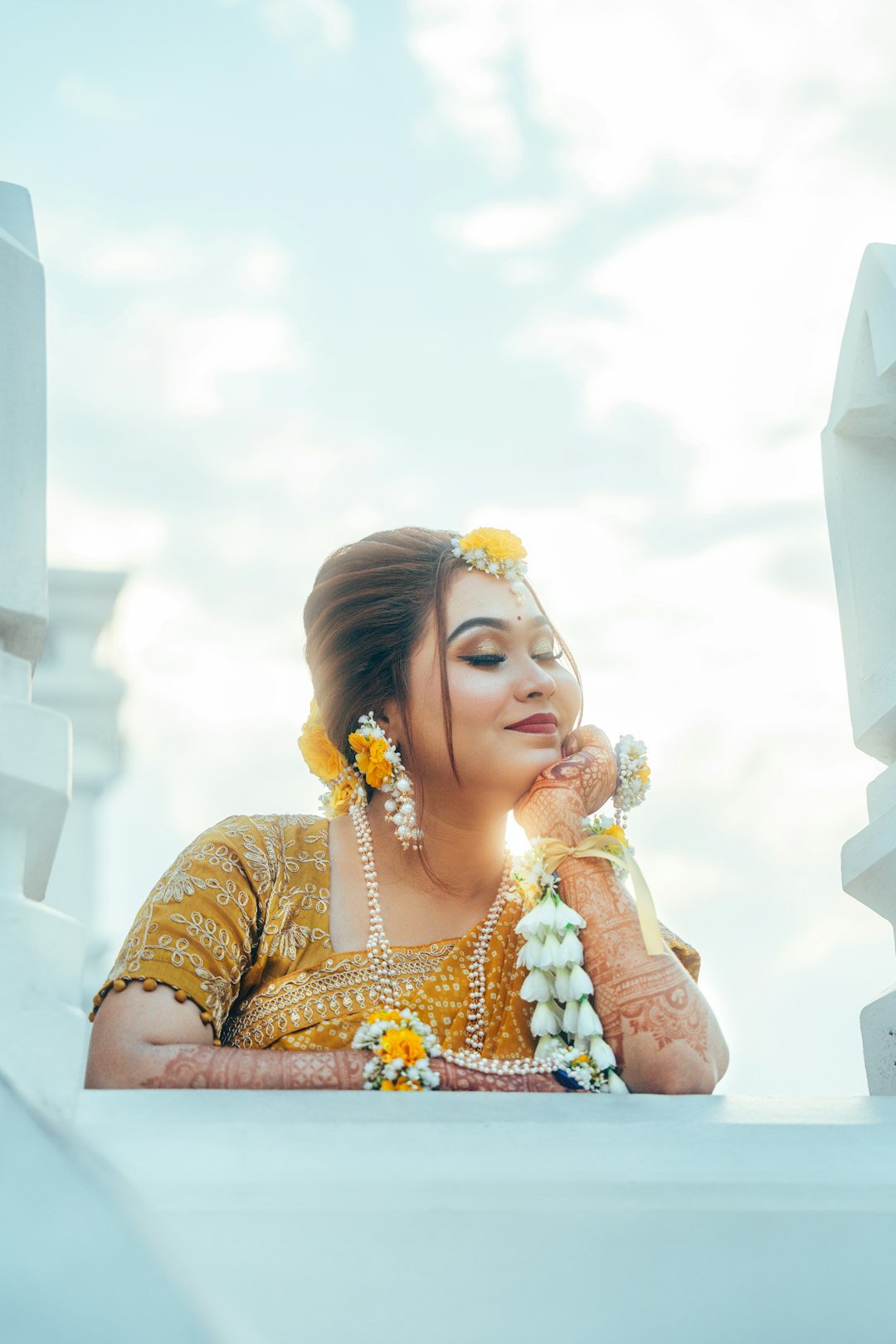
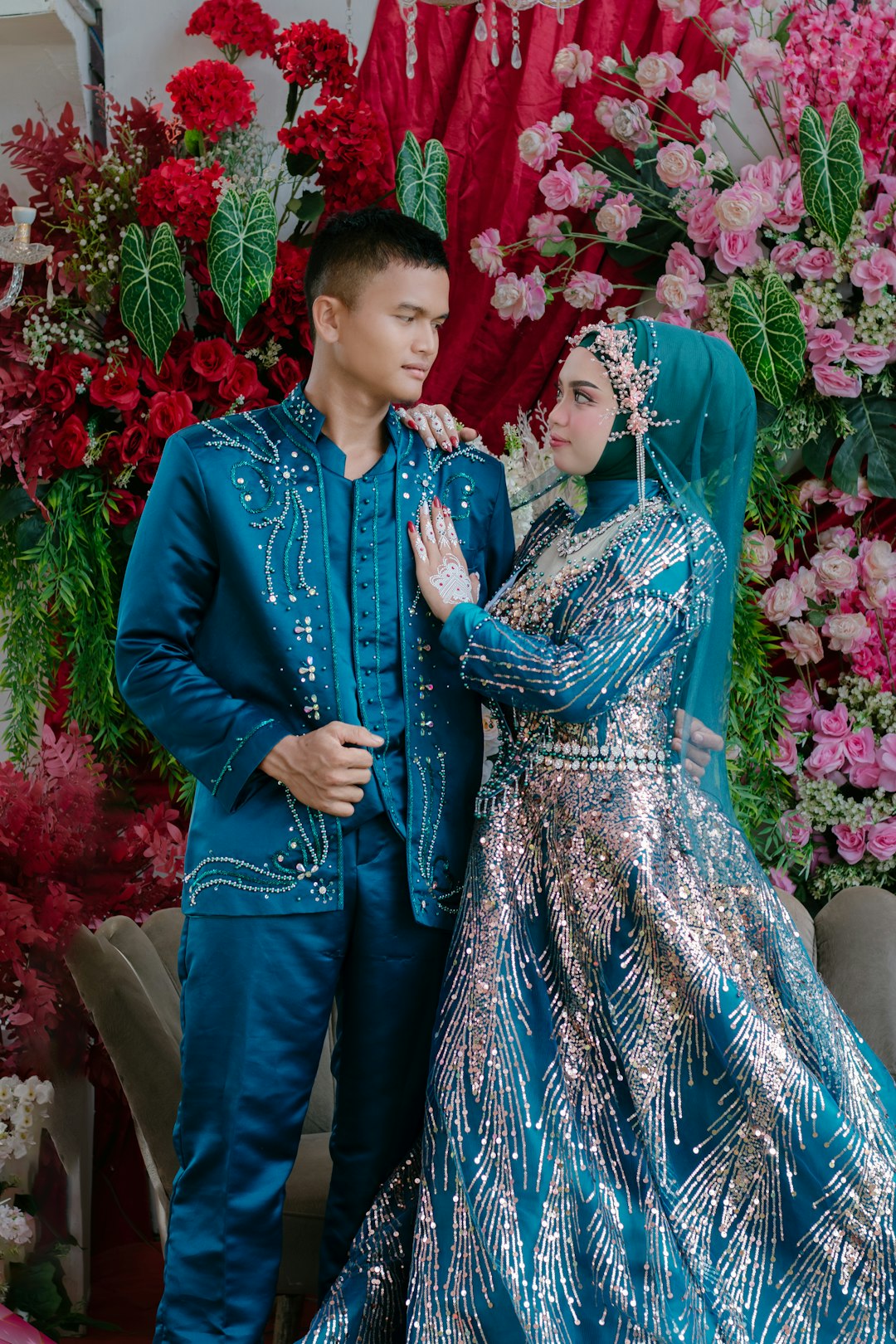
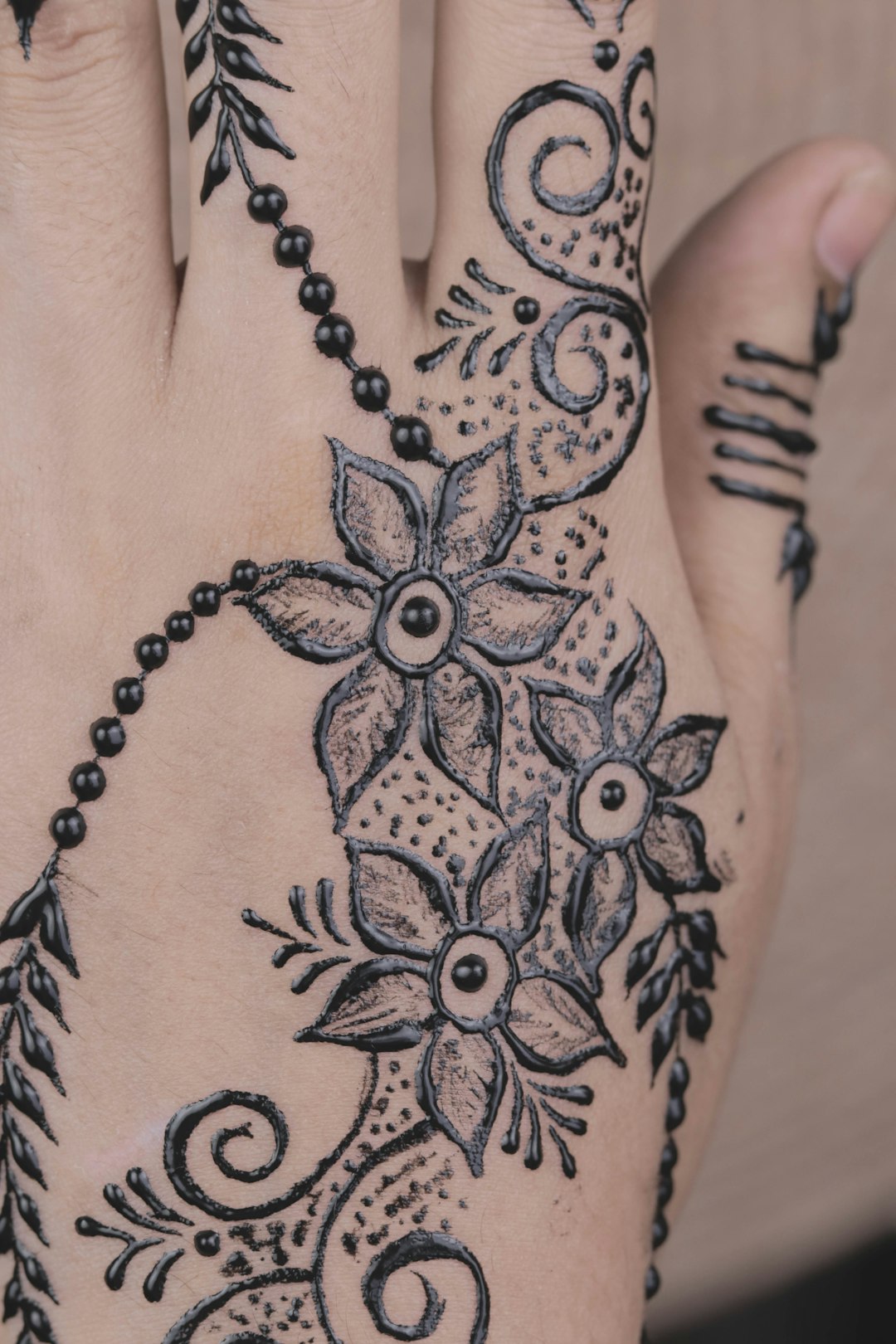
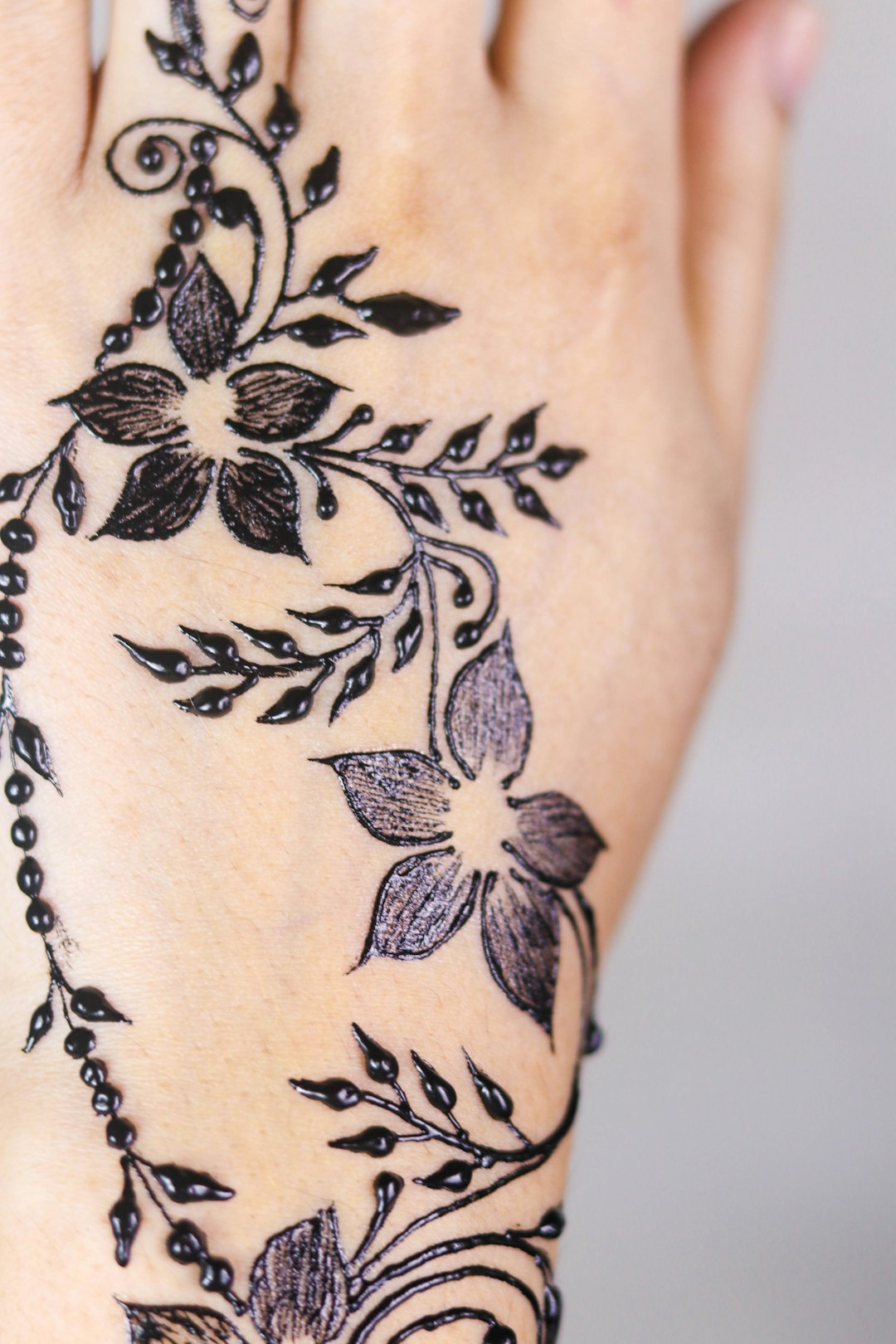
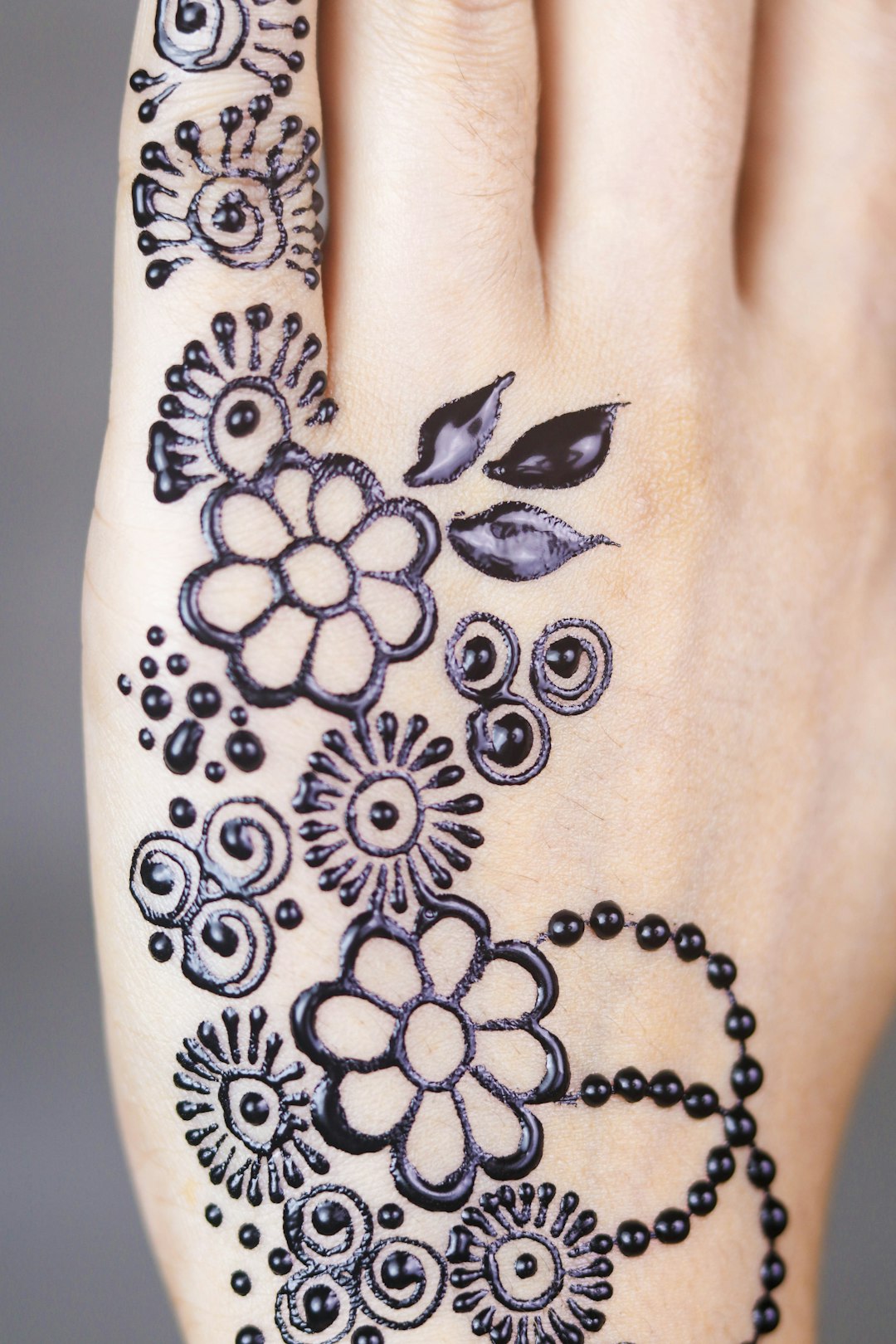
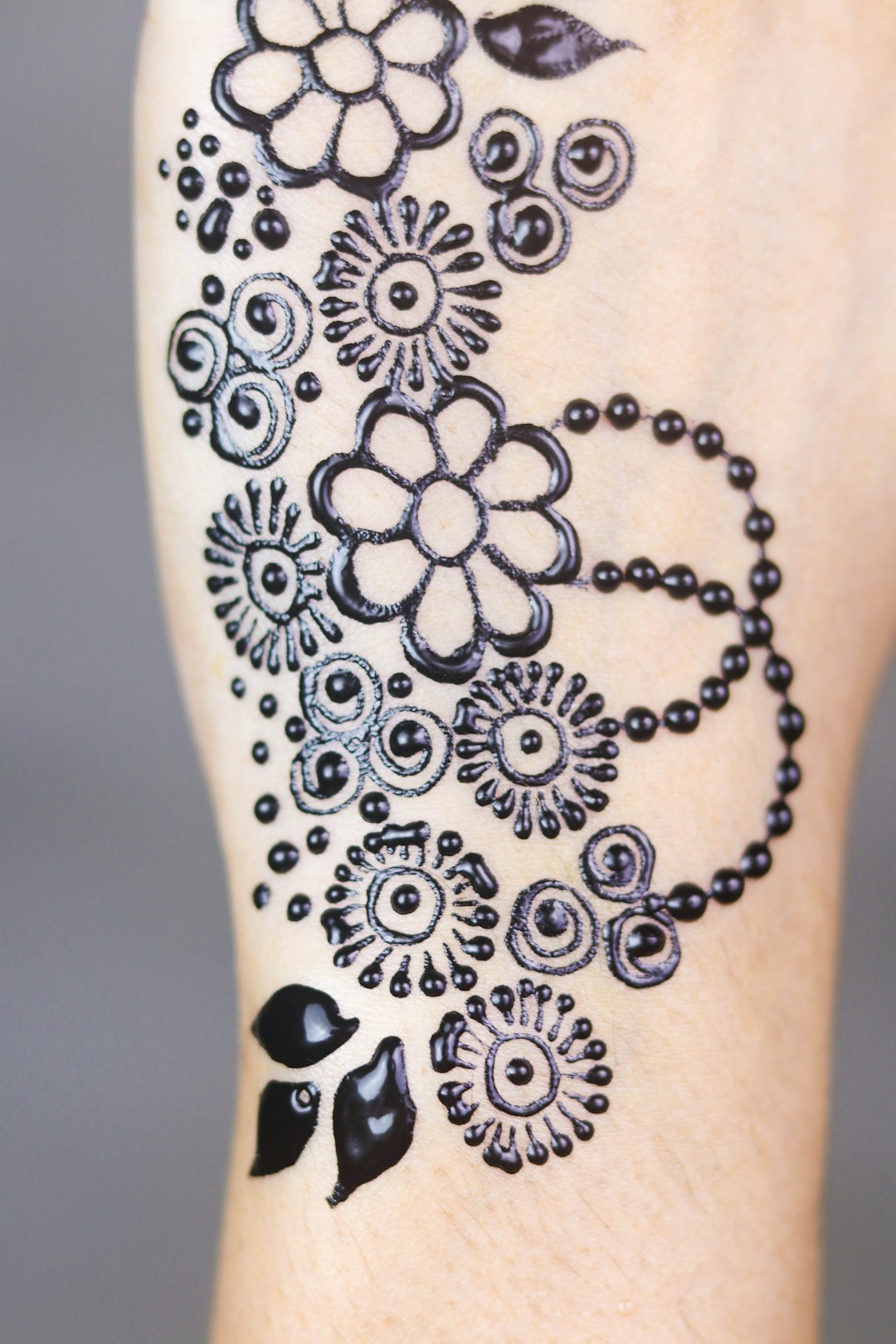
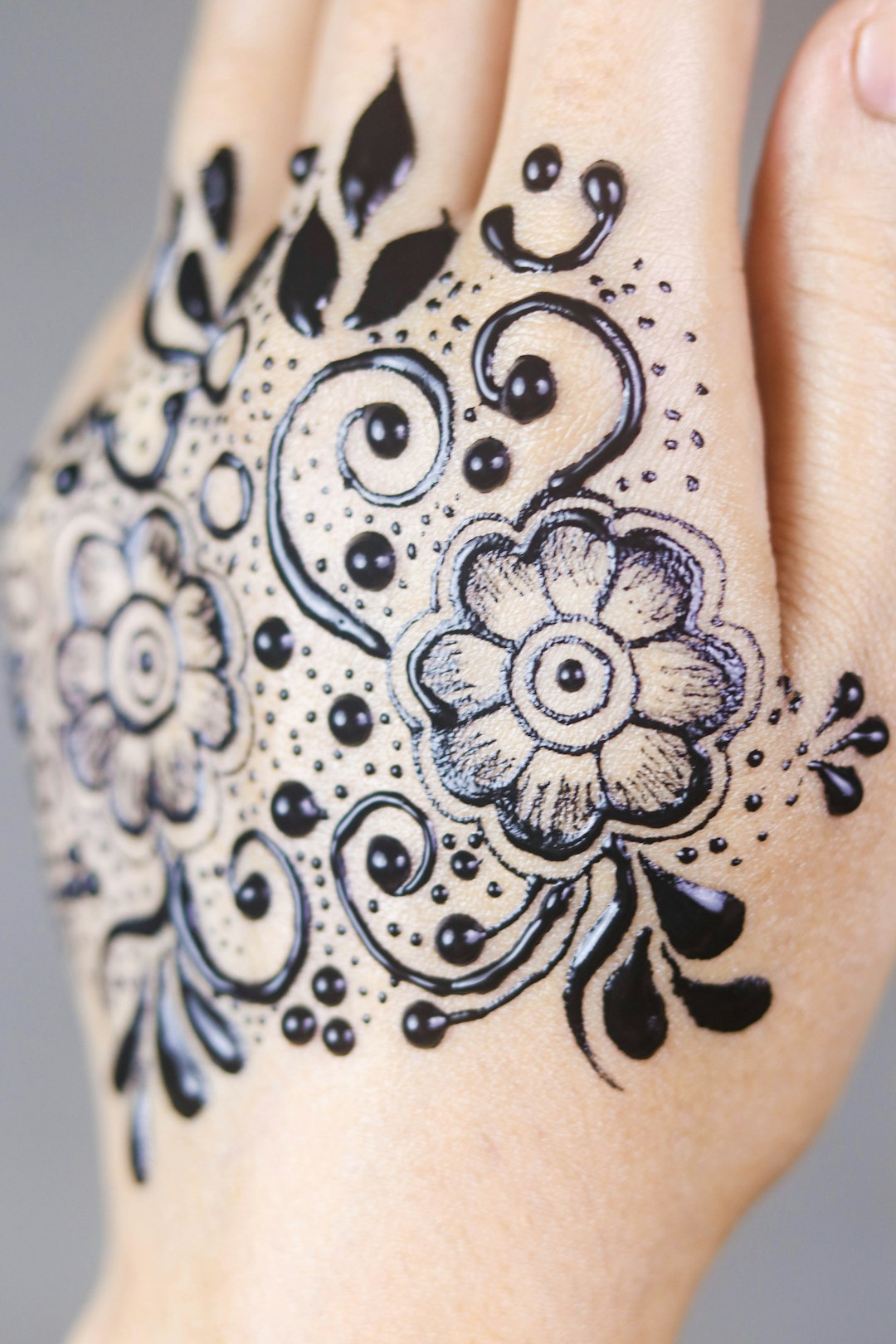
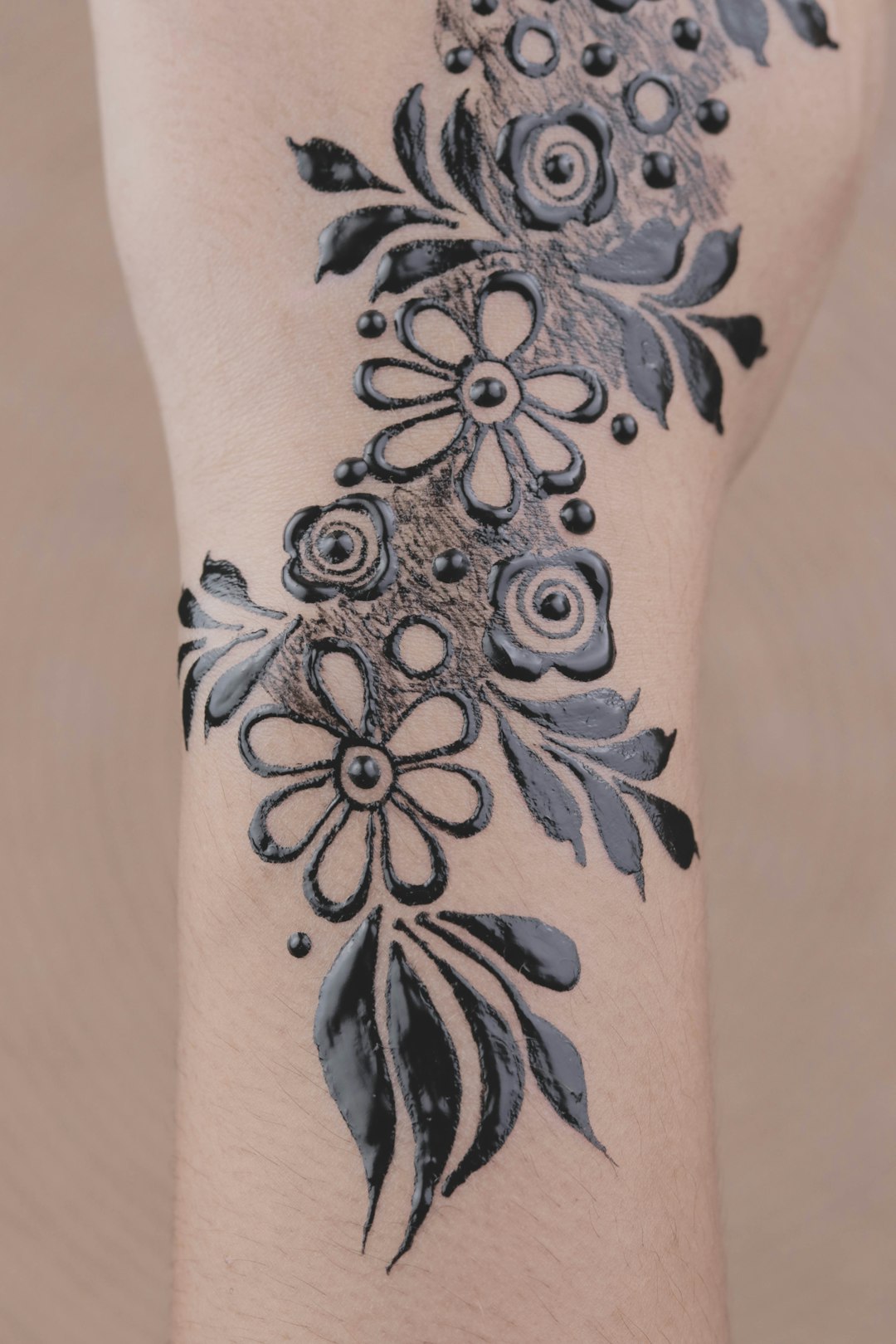
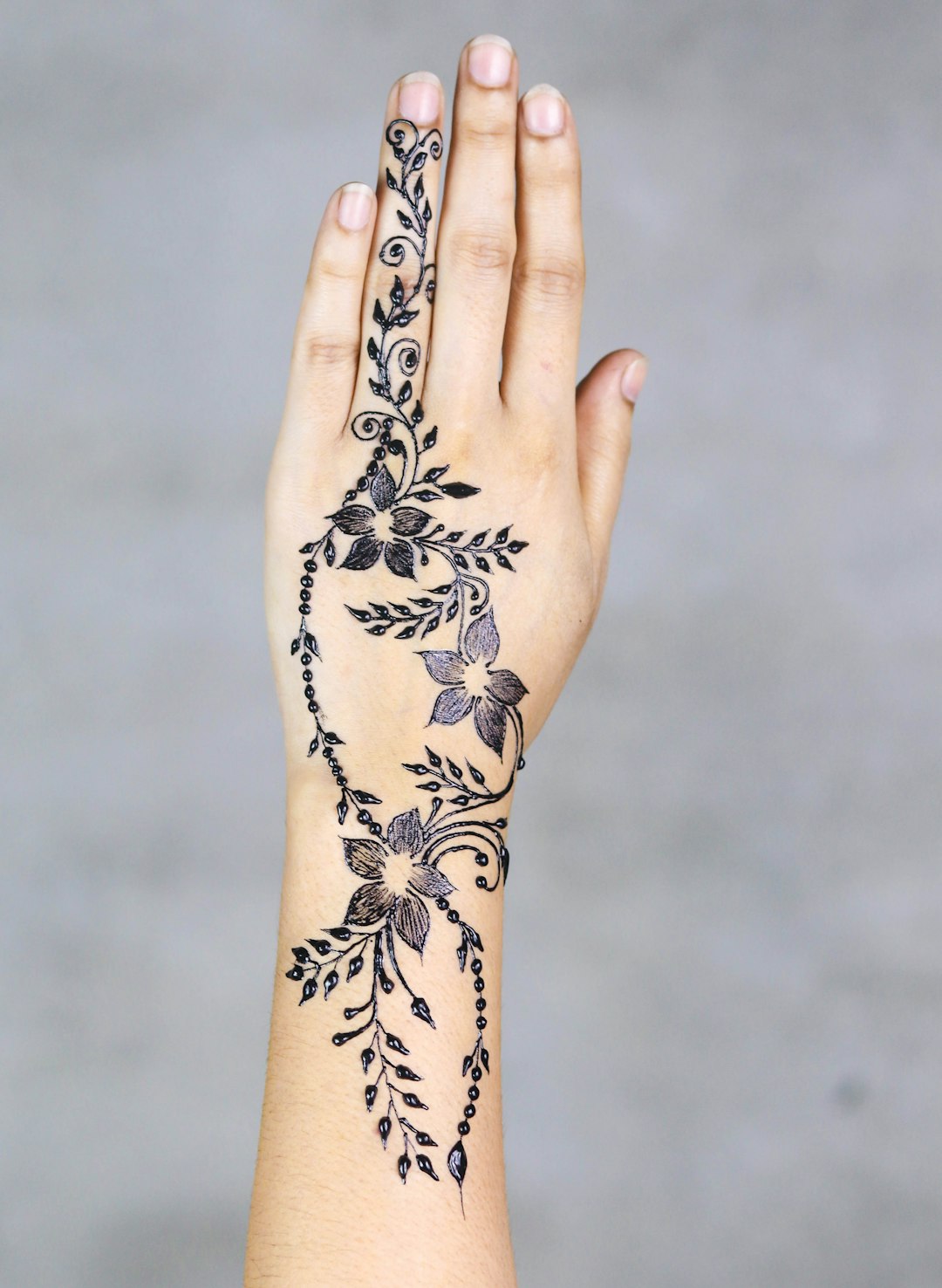
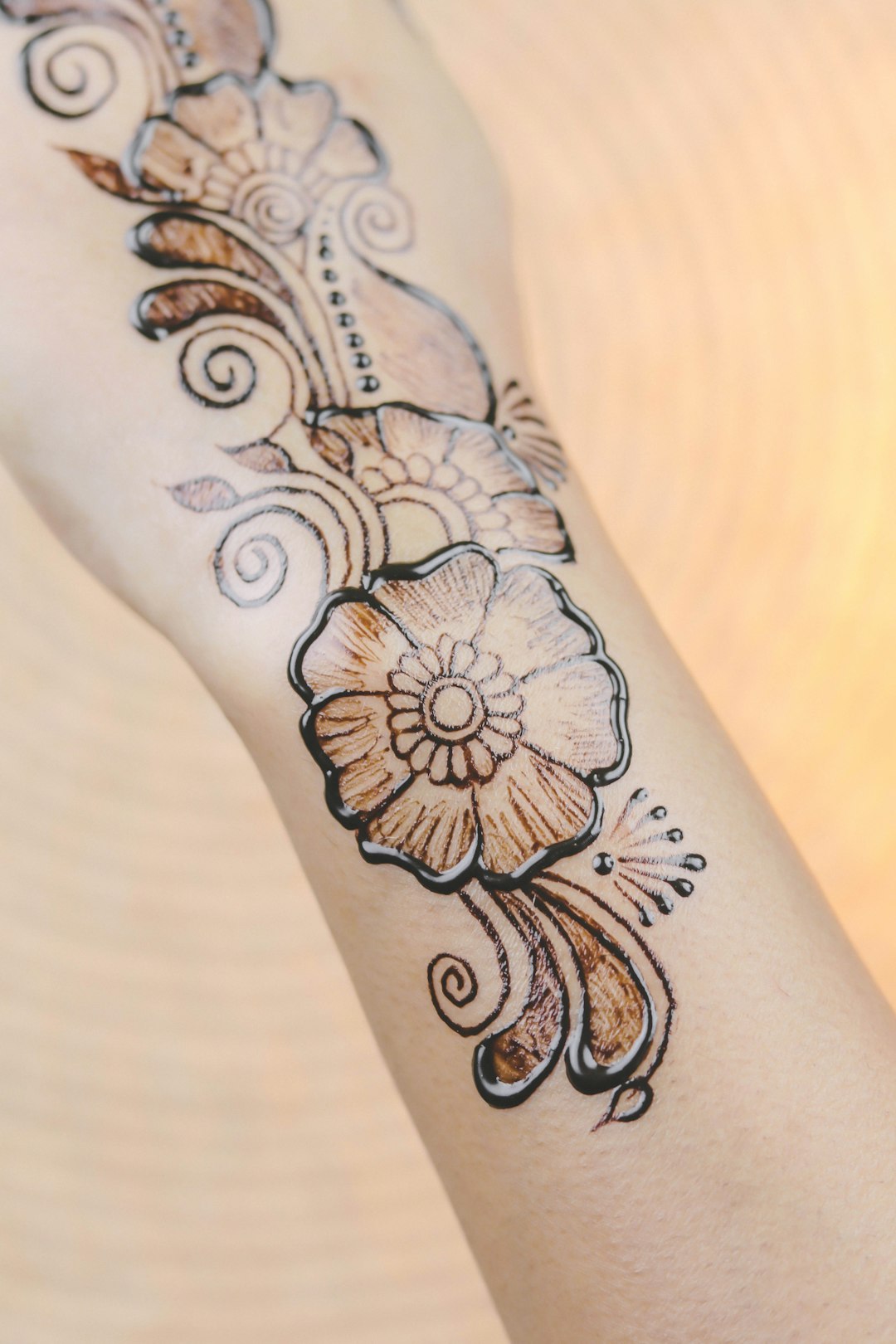
Henna is a form of temporary art that has been used for centuries in various cultures around the world. In particular, floral henna designs have become very popular, not only for their beauty but also for their symbolic meaning. In this section of bodibook.com, we will explore the fascinating world of floral henna, from its styles and techniques to care tips and sources of inspiration.
What is Floral Henna?
Henna is a natural dye extracted from the leaves of the Lawsonia inermis plant. In its purest form, it is used to create intricate designs on the skin, which darken as the paste dries and adheres to the epidermis. Floral designs are especially popular as they evoke the beauty of nature and symbolize life, love, and renewal. These designs can range from small delicate flowers to larger, more elaborate compositions that cover extensive areas of the body.
Styles and Types of Floral Designs
Within the art of floral henna, there are several styles that can be adapted to individual tastes and preferences. Some of the most notable styles include:
- Traditional Style: This style is based on classic patterns that have been passed down through generations, often focusing on symmetry and complexity.
- Modern Style: Combines traditional elements with a contemporary approach, allowing for more abstract and creative designs.
- Minimalist Style: Characterized by its simplicity, using clean lines and basic shapes that highlight the elegance of the flower.
Each style has its own charm and can be personalized to reflect the unique personality of the wearer. The choice of floral design may depend on the occasion, the meaning one wishes to attribute, or simply aesthetic preference.
Placement and Application Techniques
The placement of floral henna designs can vary widely. The most common places to apply henna include the hands, feet, arms, and legs. However, designs can also be found on other parts of the body, such as the back or abdomen. The choice of location depends on the desired visibility and the size of the design.
The application technique is crucial for achieving a beautiful result. Henna is applied with a cone, which allows for precise control over the flow of the design. After applying the paste, it is important to let it dry properly to achieve a darker color. It is recommended to keep the paste on the skin for at least 4 hours, or even overnight, for the best results.
Care and Maintenance Tips
To ensure that your floral henna design lasts as long as possible, it is essential to follow some care tips:
- Avoid contact with water for the first 24 hours after application.
- Apply coconut oil or olive oil on the design to help seal in the color.
- Avoid prolonged sun exposure and the use of harsh chemical products on the skin.
By following these tips, you can enjoy your floral henna art for weeks, allowing its beauty to shine in every moment.
Floral henna is a wonderful form of artistic expression that not only beautifies the skin but also tells a story. If you are looking for inspiration or want to see real examples of floral henna designs, we invite you to explore the galleries at bodibook.com. Discover the art that can adorn your body and leave a lasting impression!