
Photo gallery
13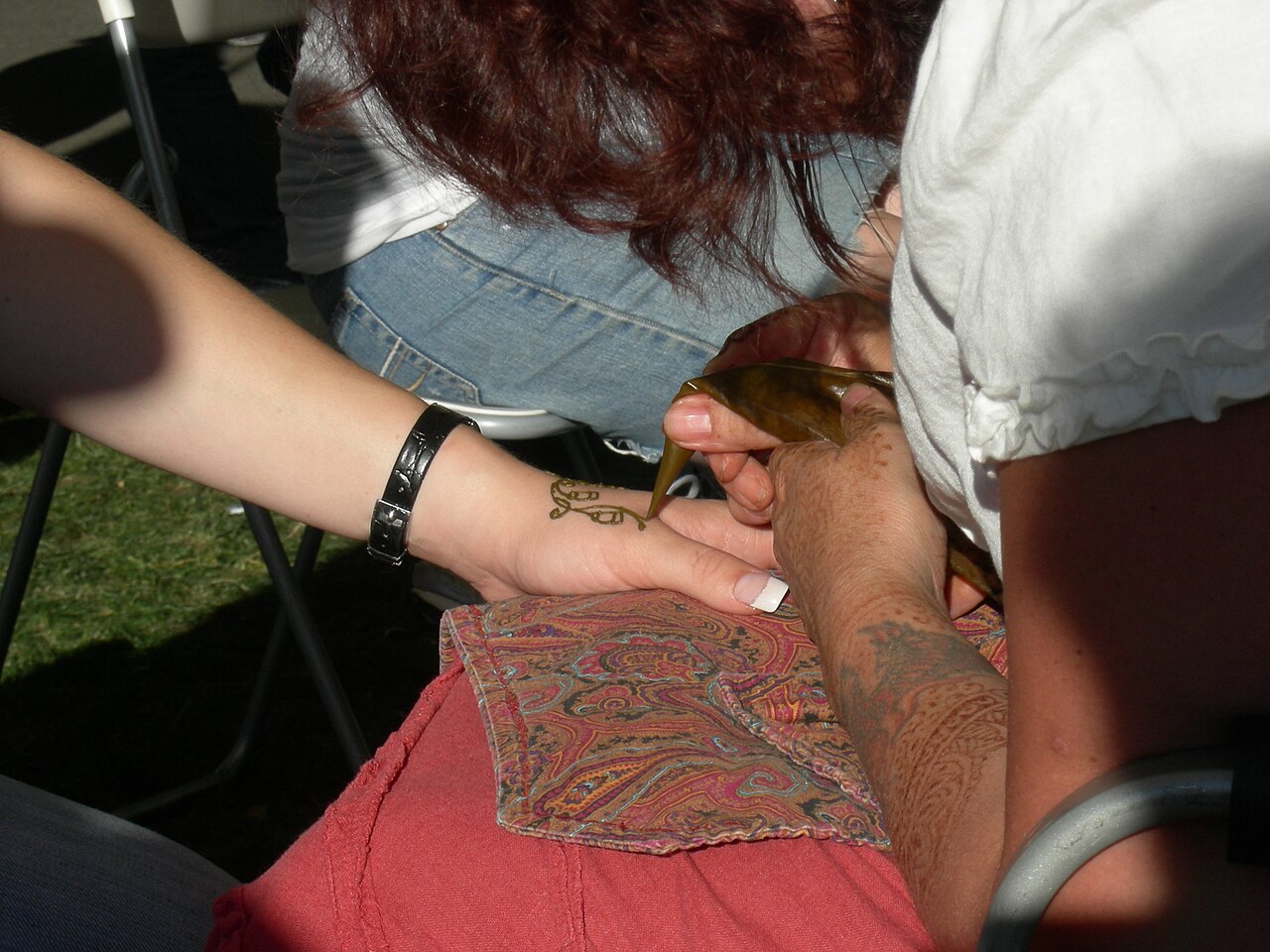
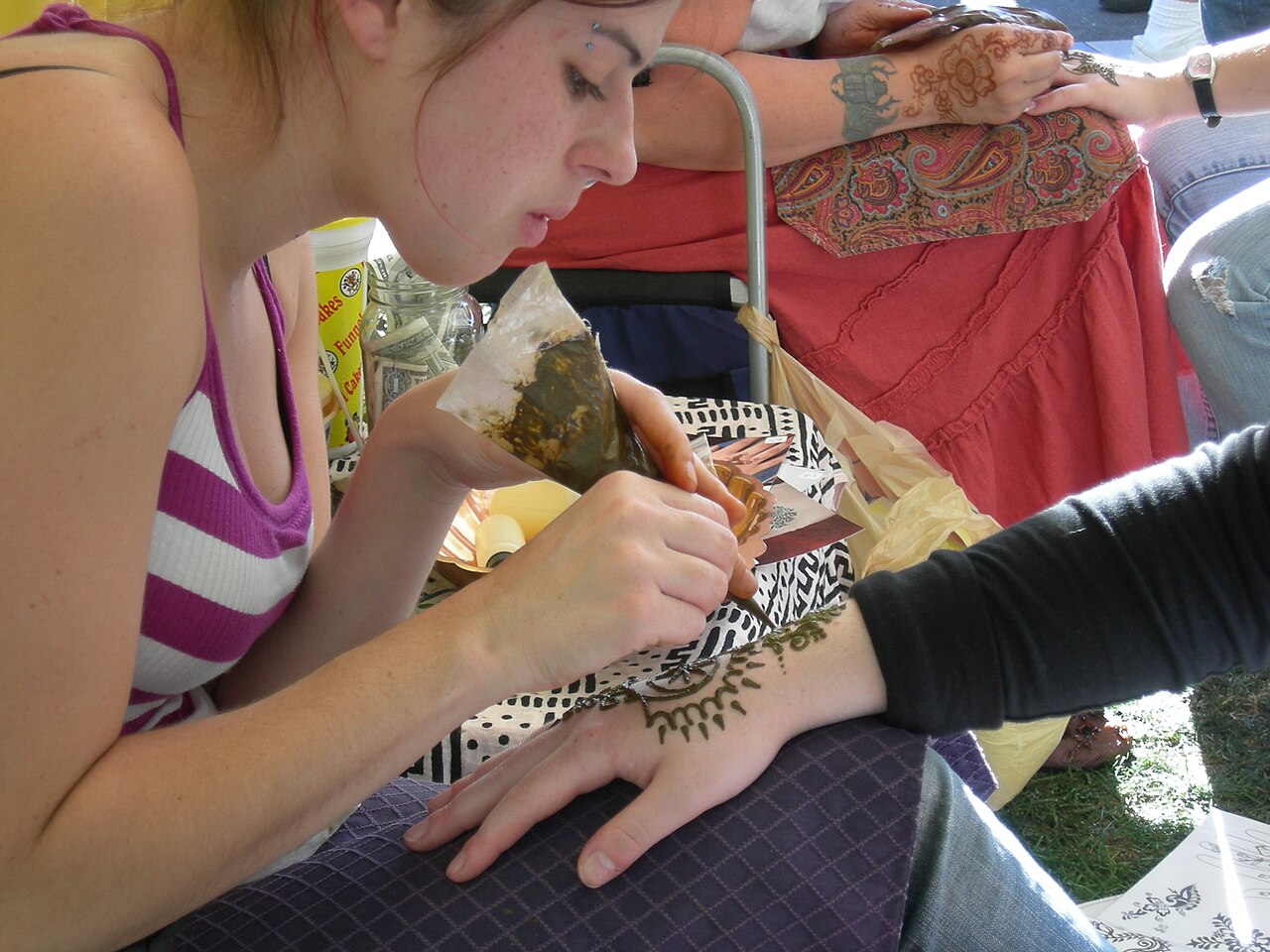
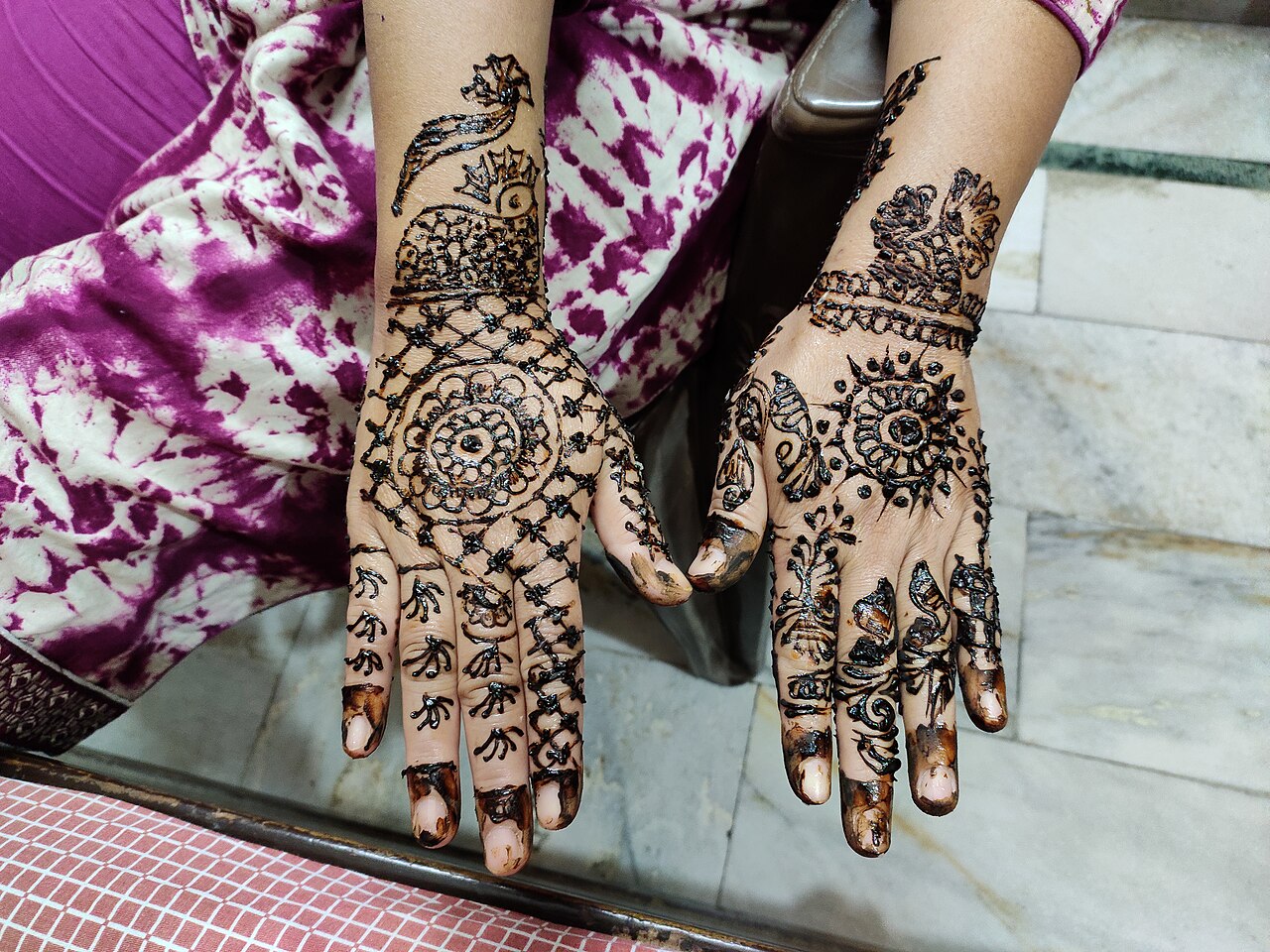
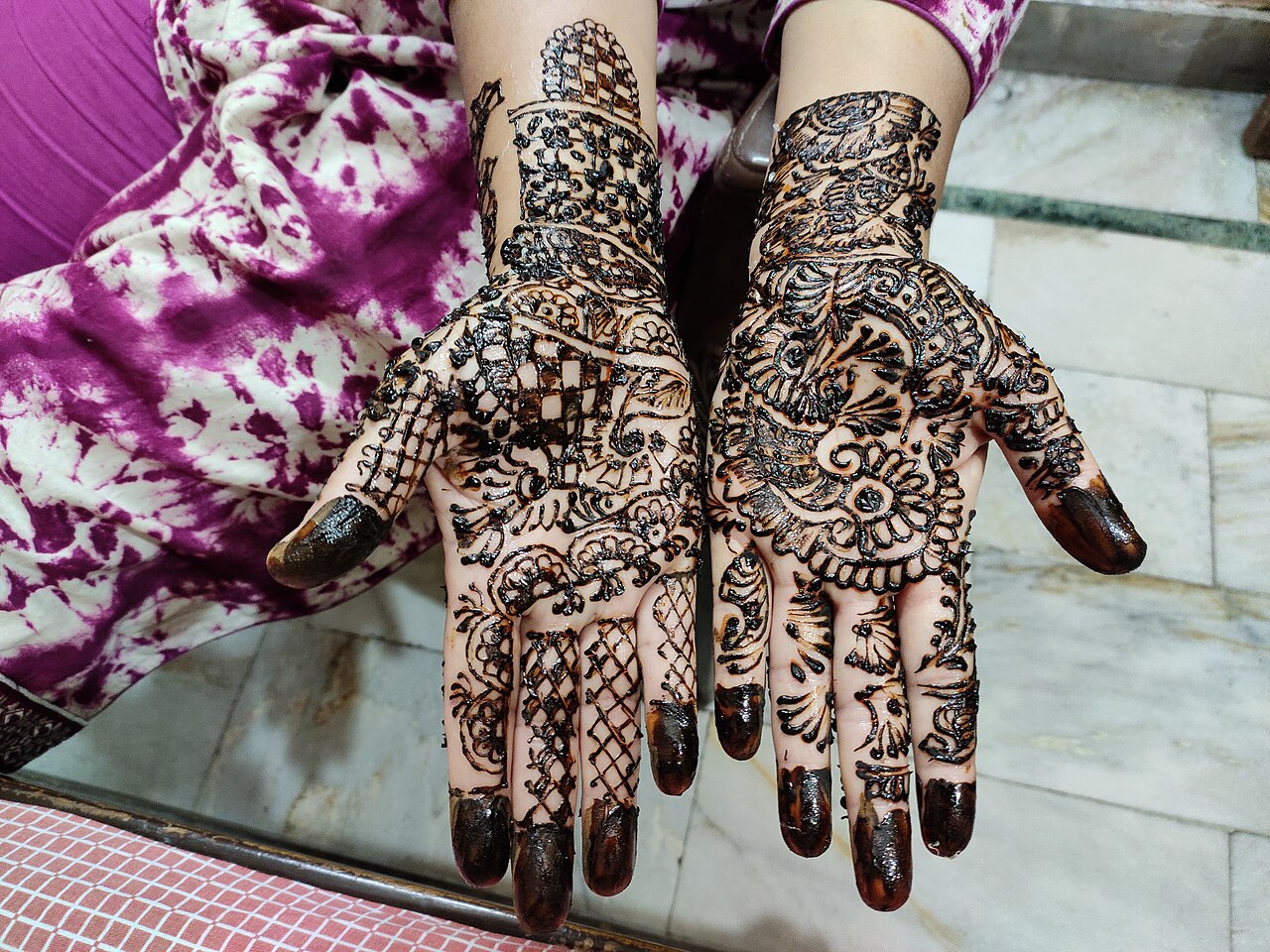
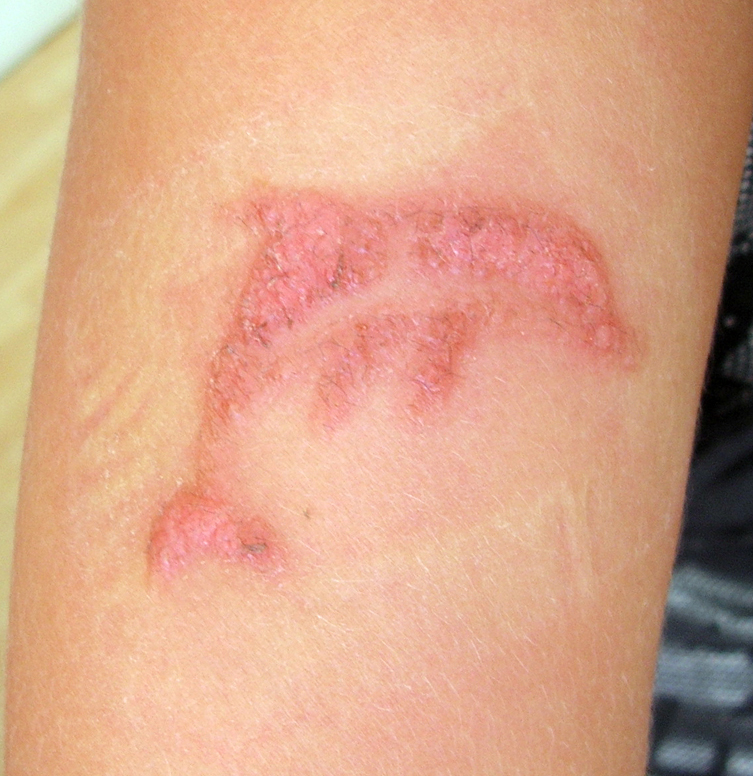
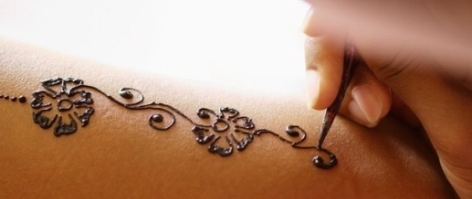
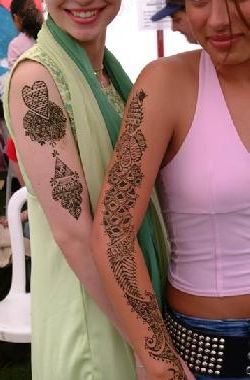

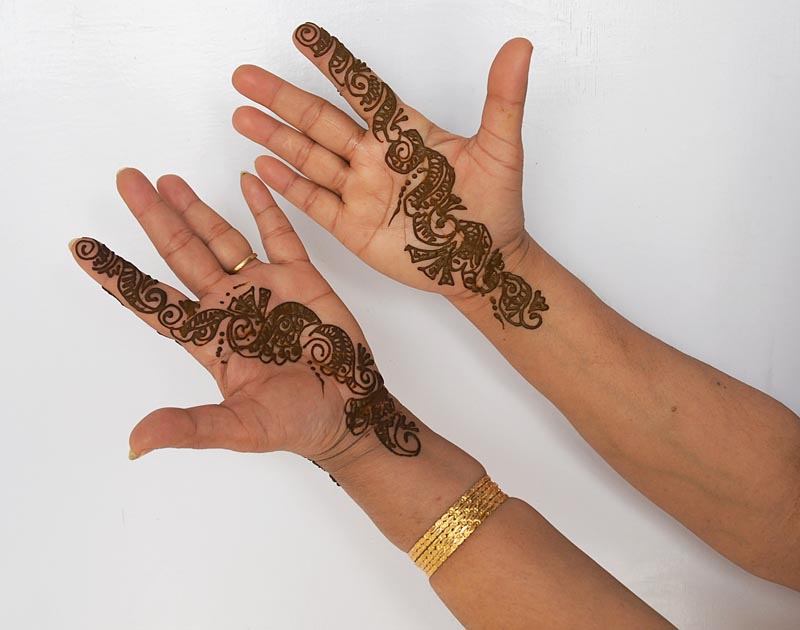
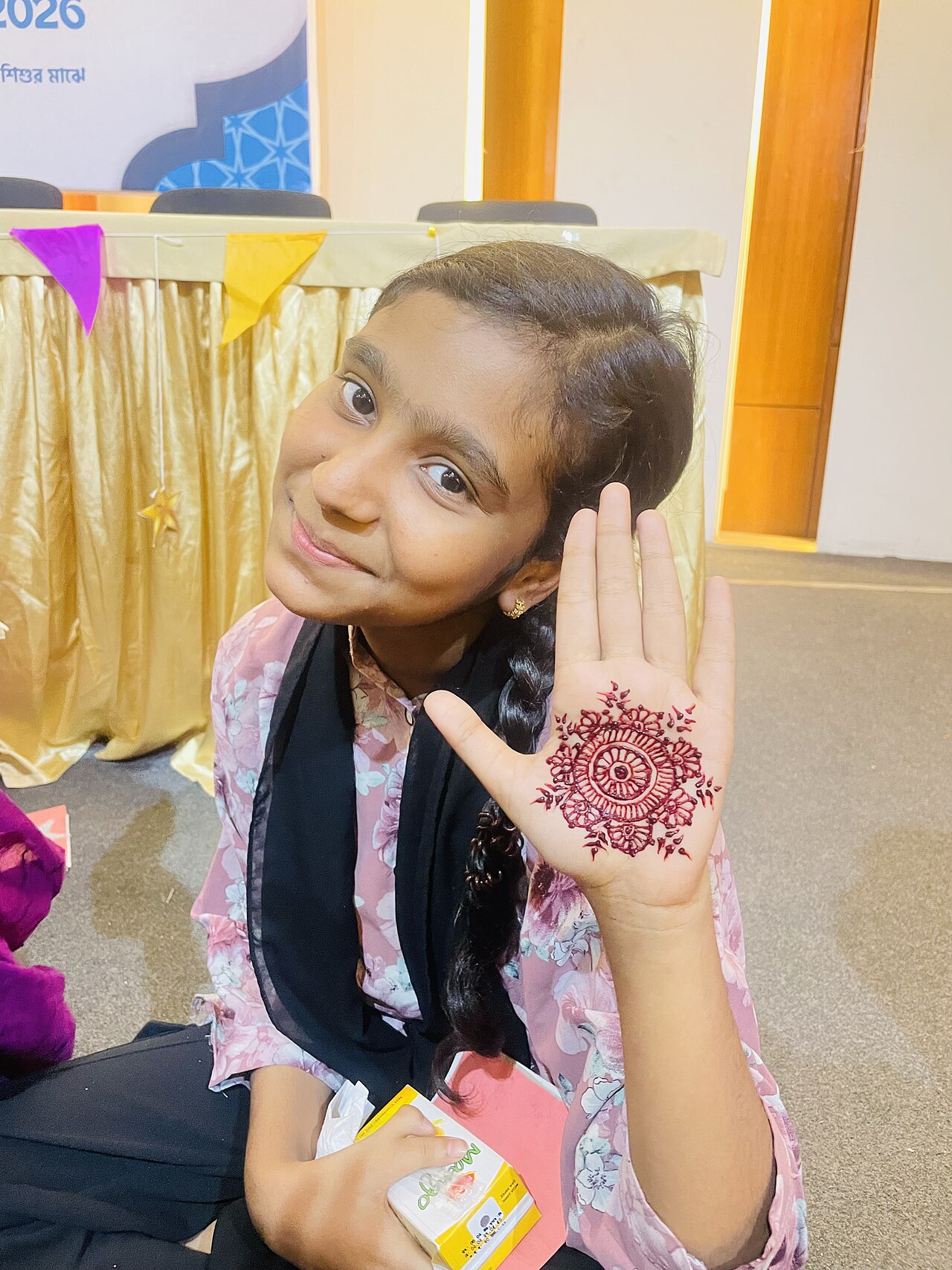
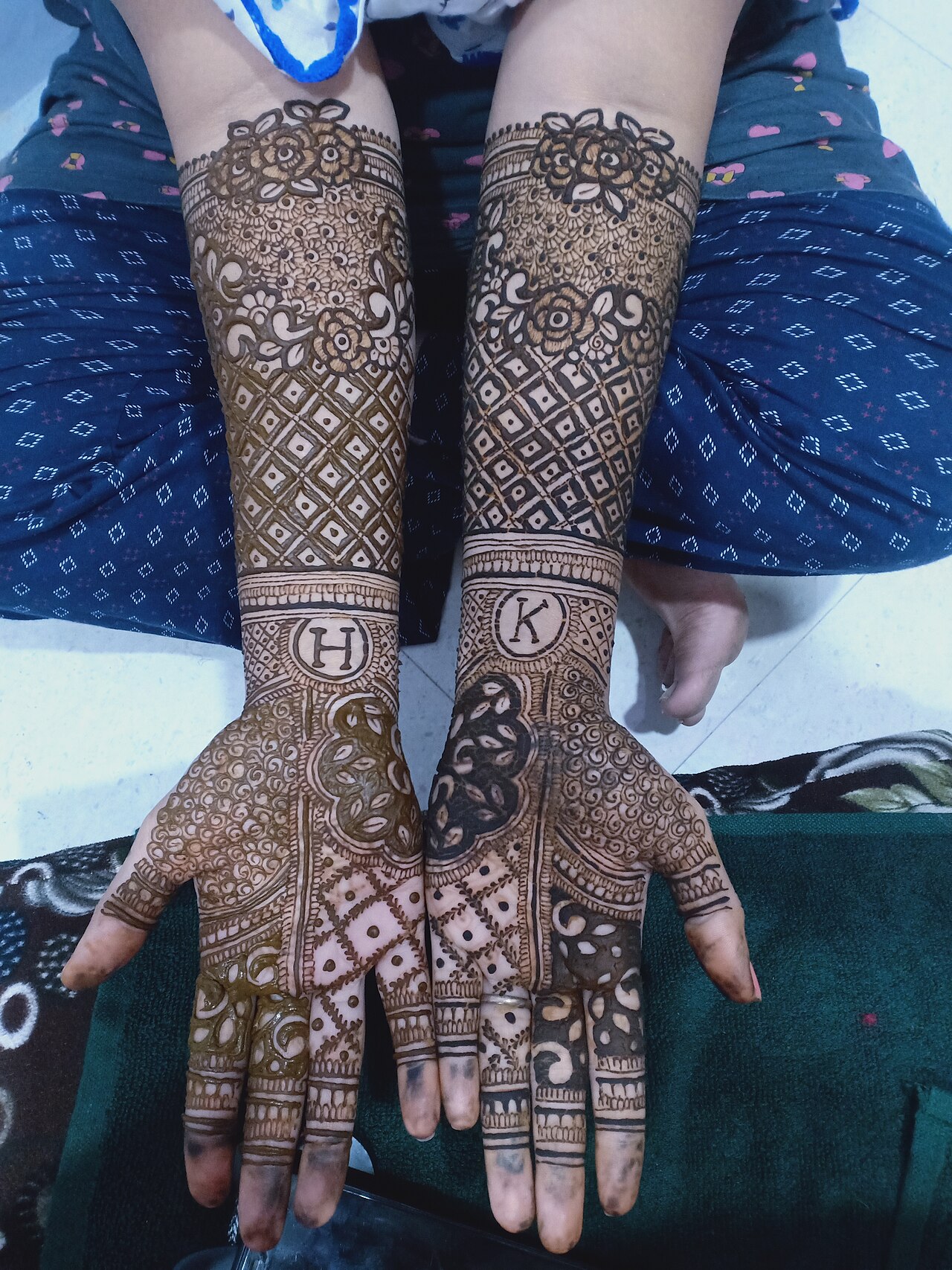
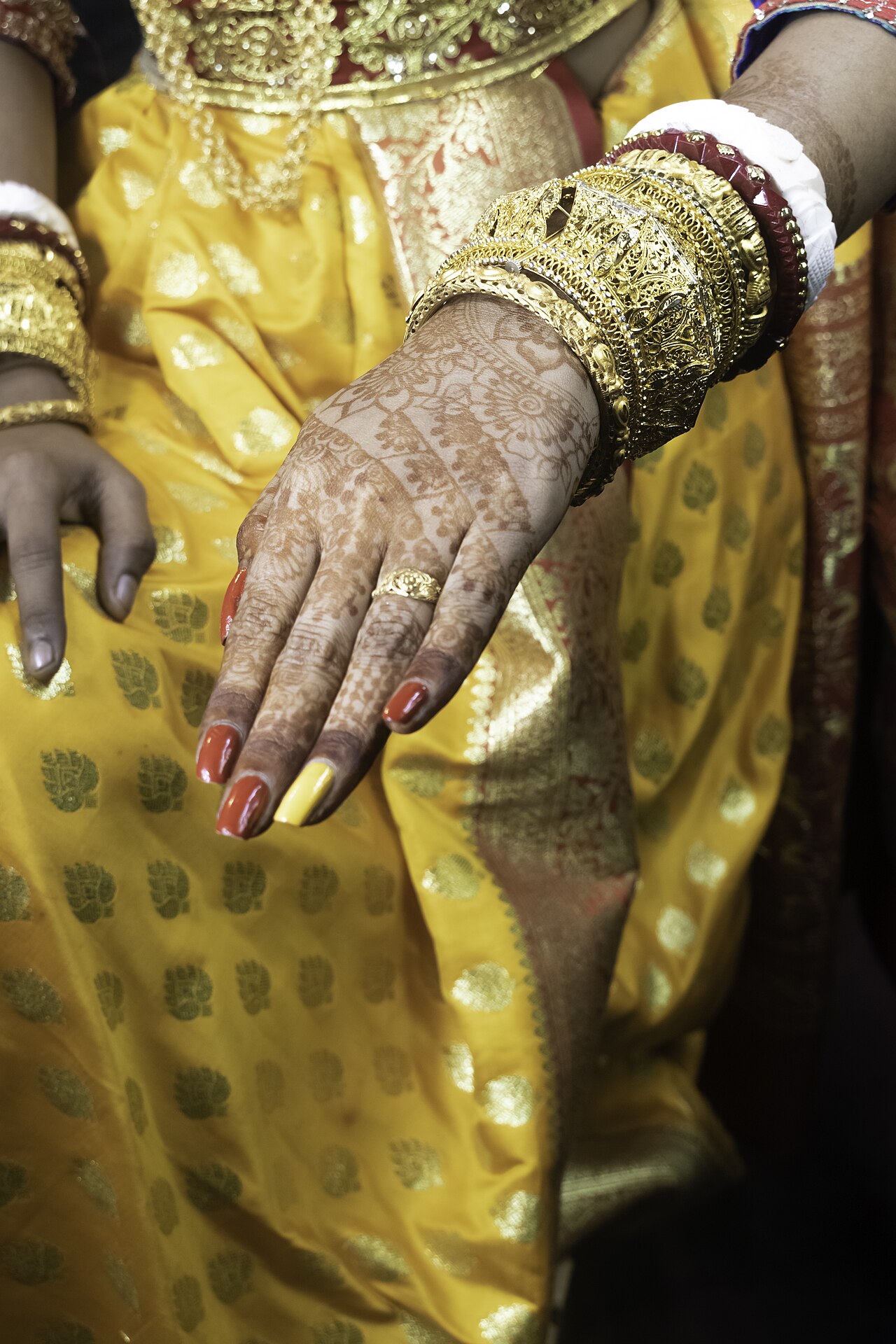
Temporary henna tattoos are a form of body art that has gained popularity worldwide, especially at cultural events and festivals. This technique, which uses a paste made from the dried leaves of the henna plant, allows for the creation of intricate and beautiful designs that can last from a few days to several weeks. Being temporary, they are ideal for those who want to experiment with body art without the commitment of a permanent tattoo.
What is Henna?
Henna is a natural dye that has been used for centuries in various cultures, especially in the Middle East and South Asia. The henna paste is applied to the skin to create decorative patterns that, when dried, leave a reddish-brown stain. This art is not only aesthetically pleasing but also carries cultural and symbolic meanings in many traditions.
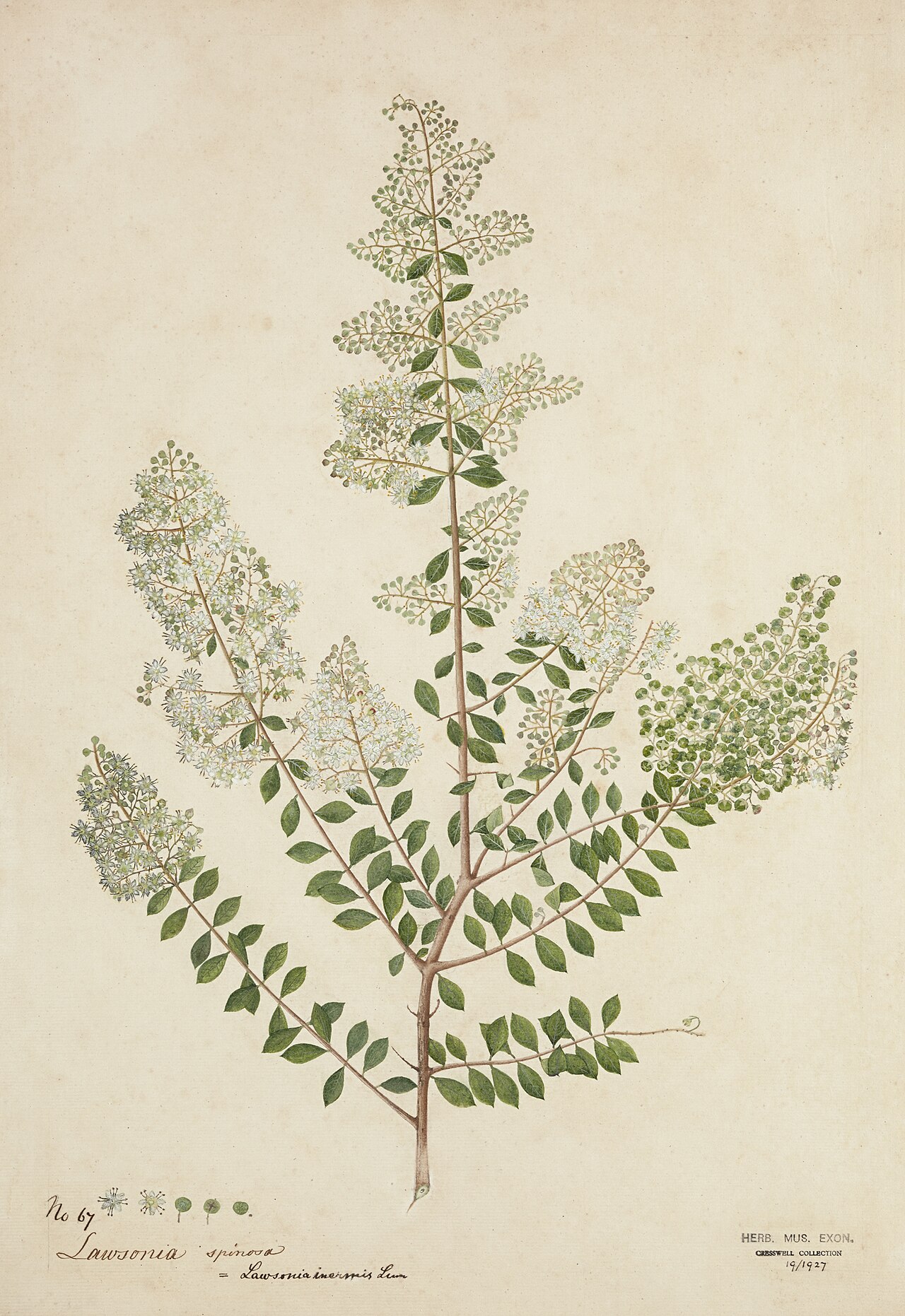
Henna is made from the dried leaves of the Lawsonia inermis plant. By mixing the leaves with water and other ingredients, a paste is obtained that can be applied with a cone or a brush. The duration of the design on the skin depends on several factors, such as skin type, the quality of the henna, and aftercare.
Styles and Types of Henna Tattoos
Henna tattoos can vary in style and design, from simple patterns to intricate works of art. Some of the most popular styles include:
- Mehndi: A traditional style used in ceremonies such as weddings, featuring designs that include flowers, leaves, and geometric shapes.
- Abstract Designs: Modern combinations of lines and shapes that create a unique and contemporary look.
- Cultural Motifs: Representations of symbols and elements that hold special meaning in different cultures.
The versatility of henna allows artists to experiment and create custom designs that reflect the personality and preferences of each individual.
Location and Application Techniques
Henna tattoos can be applied to various parts of the body, with hands and feet being the most common. However, designs can also be found on arms, legs, back, and even on the face. The choice of location depends on personal preference and the design to be created.
The application technique is crucial for achieving a good result. Artists use henna cones to trace the designs accurately. It is important to keep the paste on the skin for as long as possible to achieve a more intense color. After applying henna, it is recommended to wrap the design with a cloth or paper to prevent it from falling off and to help the color set better.
Care and Maintenance
To prolong the duration of a henna tattoo, it is essential to follow some basic care tips. Here are some recommendations:
- Avoid Water: During the first 24 hours, it is important to keep the design dry for the color to set properly.
- Avoid Strong Soaps: When washing the area, avoid soaps that may fade the color.
- Apply Oil: Using coconut or olive oil can help keep the skin hydrated and the color vibrant.
By following these care tips, your henna tattoo can last longer and look spectacular.
Trends and Inspiration
The popularity of henna tattoos has grown in recent years, becoming a popular choice for events such as festivals, parties, and celebrations. Many people seek designs that reflect their personal style or hold special meaning. Social media has been a great source of inspiration, where countless photos of henna tattoos showcase the creativity of artists.
At bodibook.com, you can explore a wide variety of galleries featuring the best temporary henna tattoos. From traditional designs to modern creations, you will find inspiration for your next tattoo. Be sure to visit our page to discover more about this fascinating form of body art.