
Photo gallery
16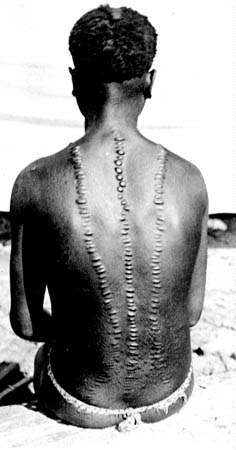
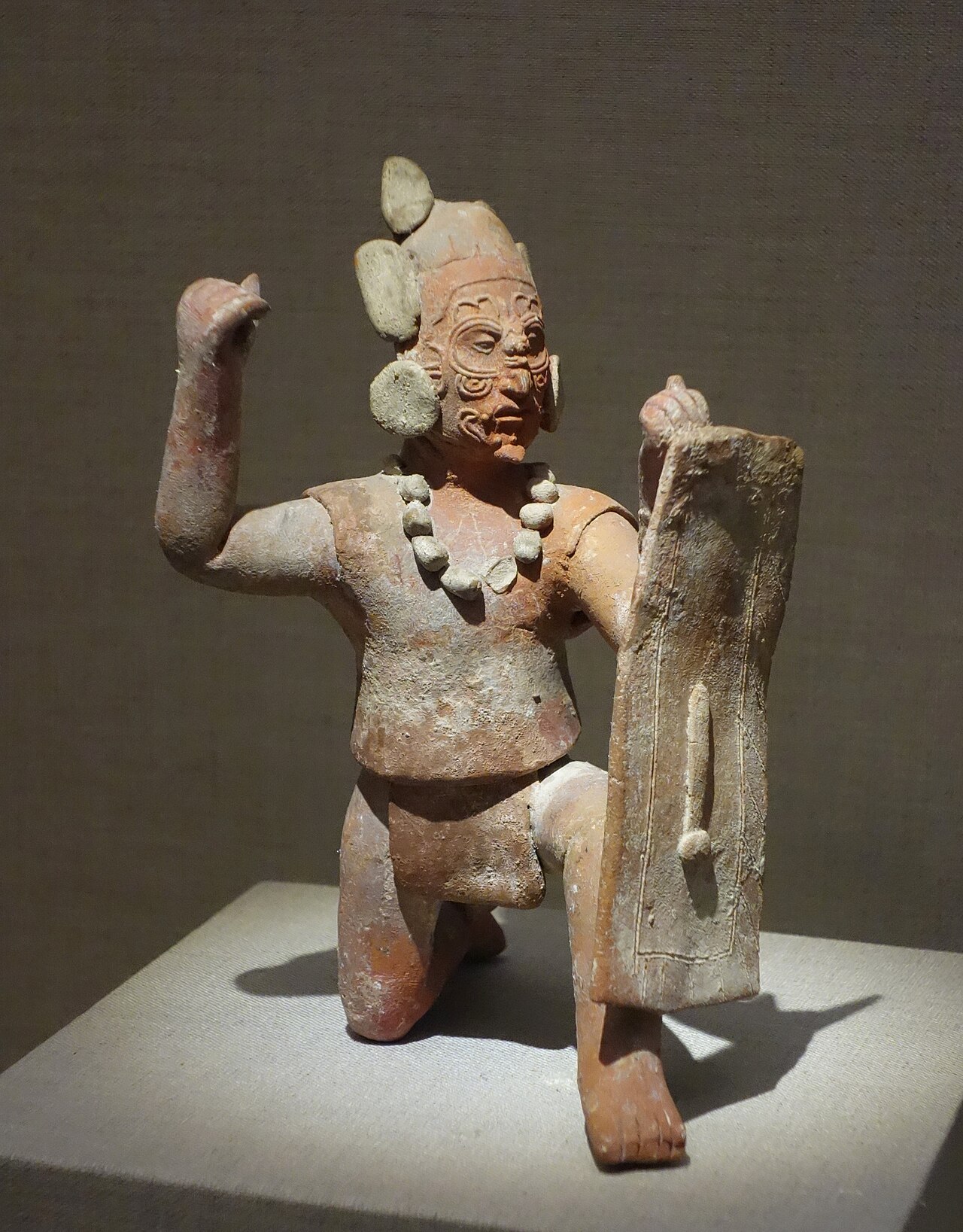
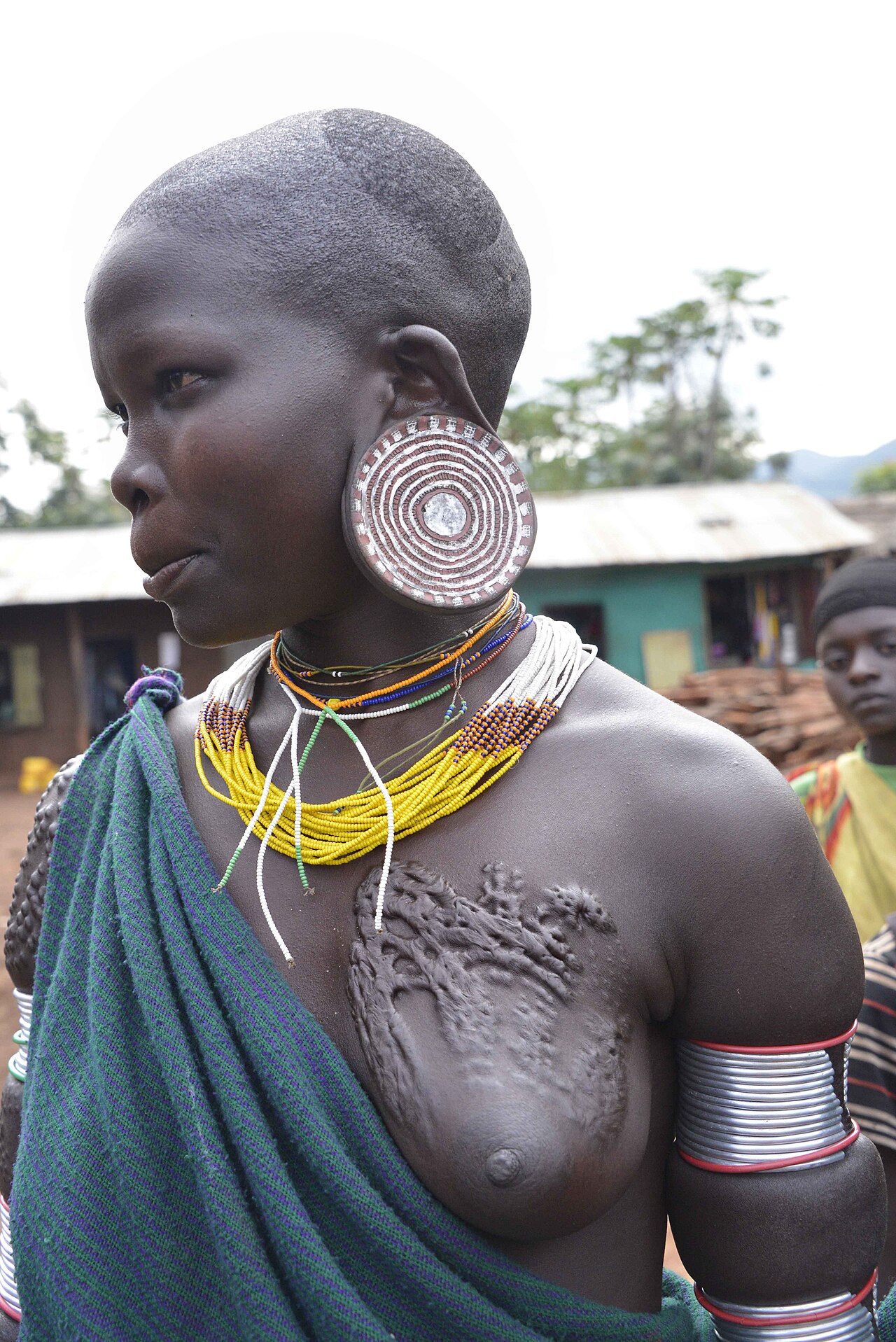
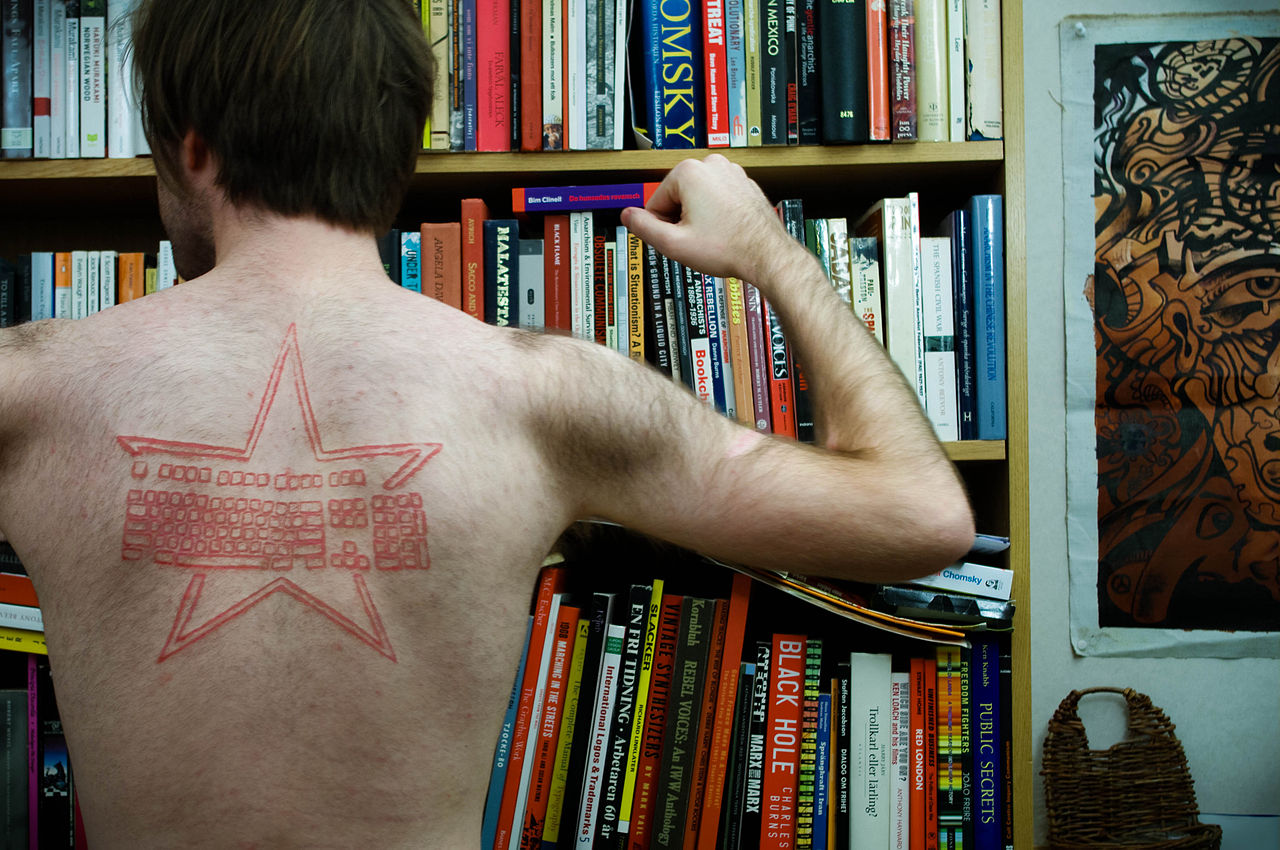
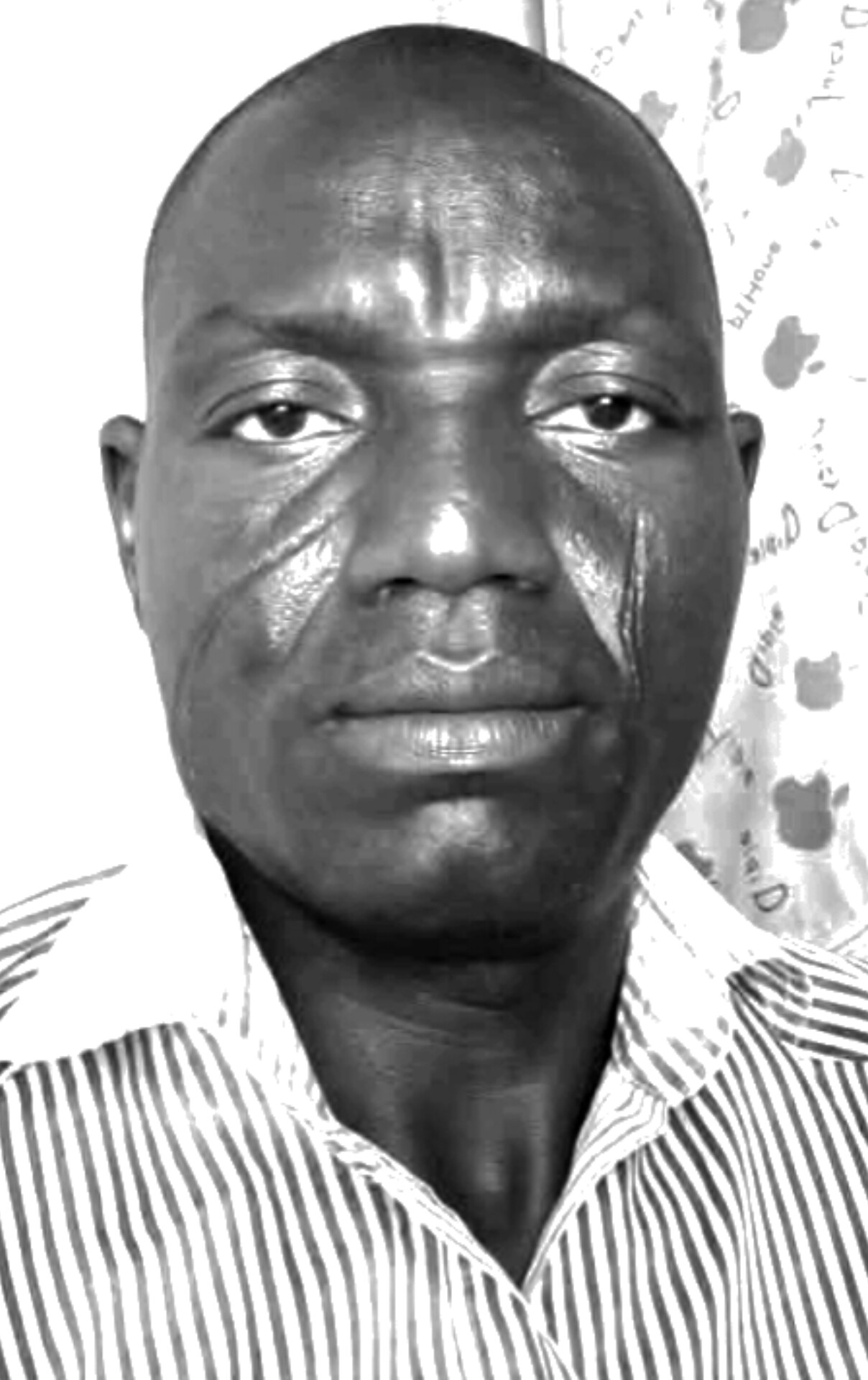
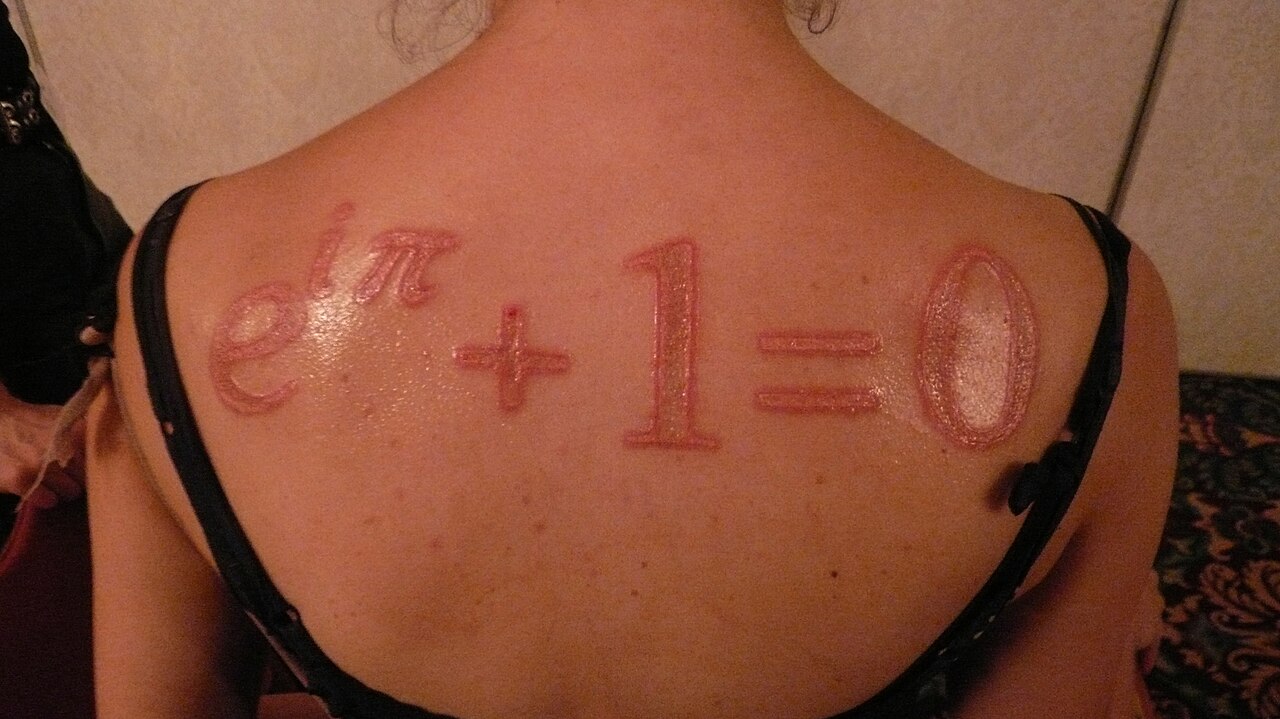
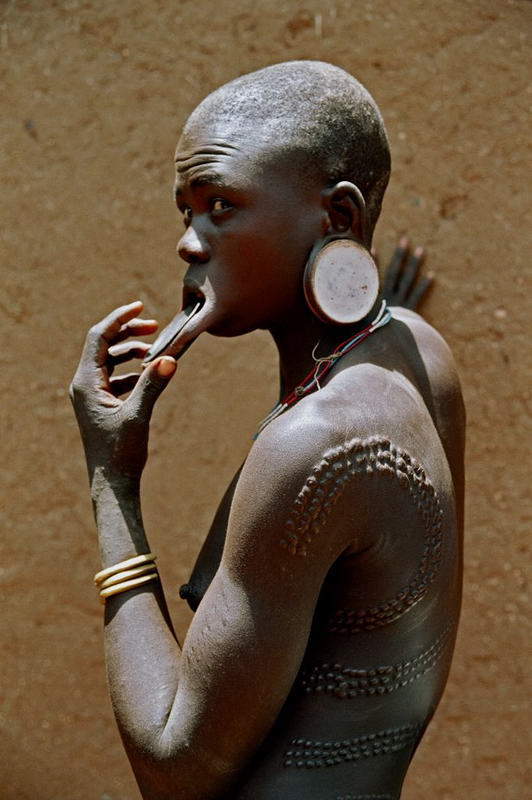
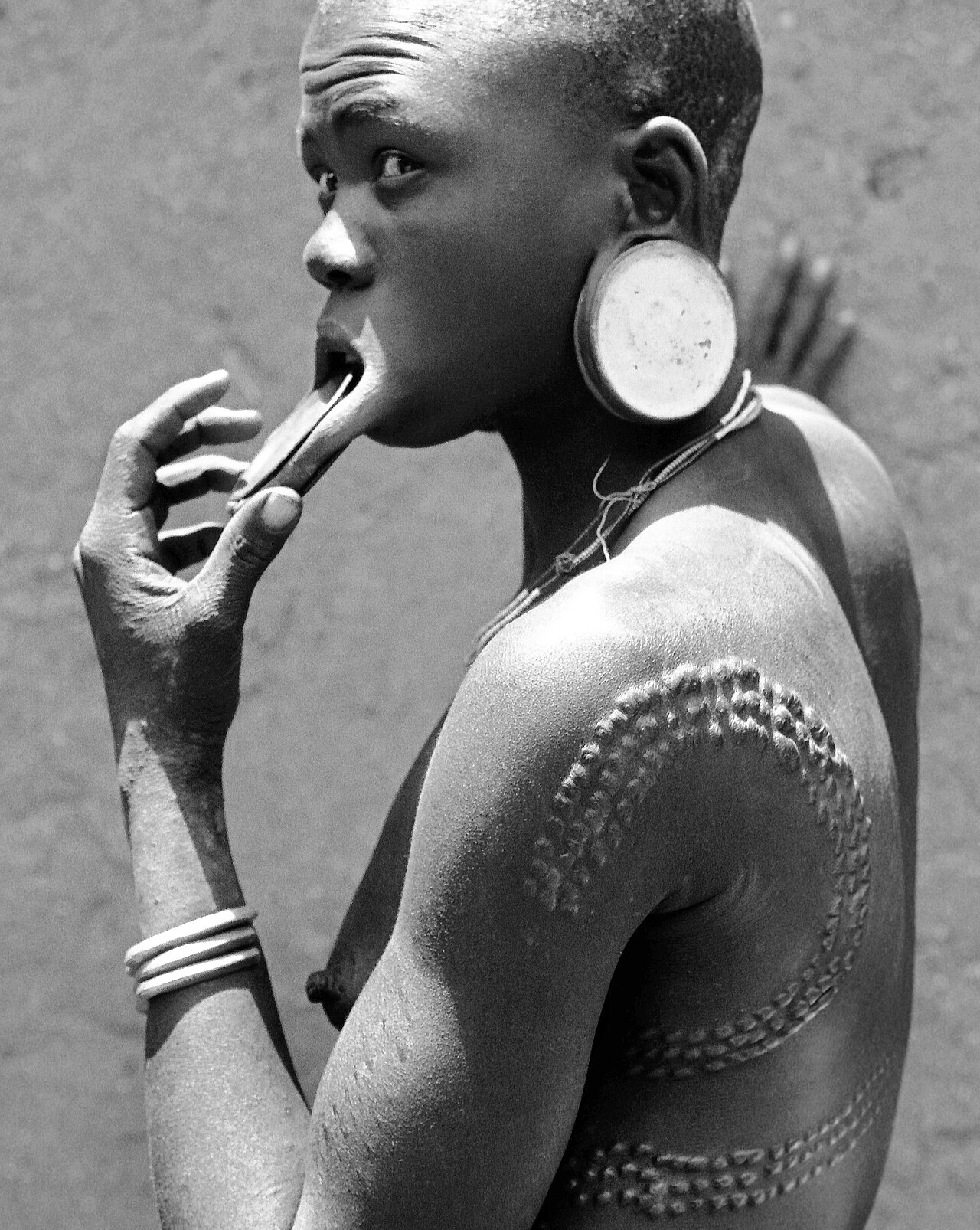
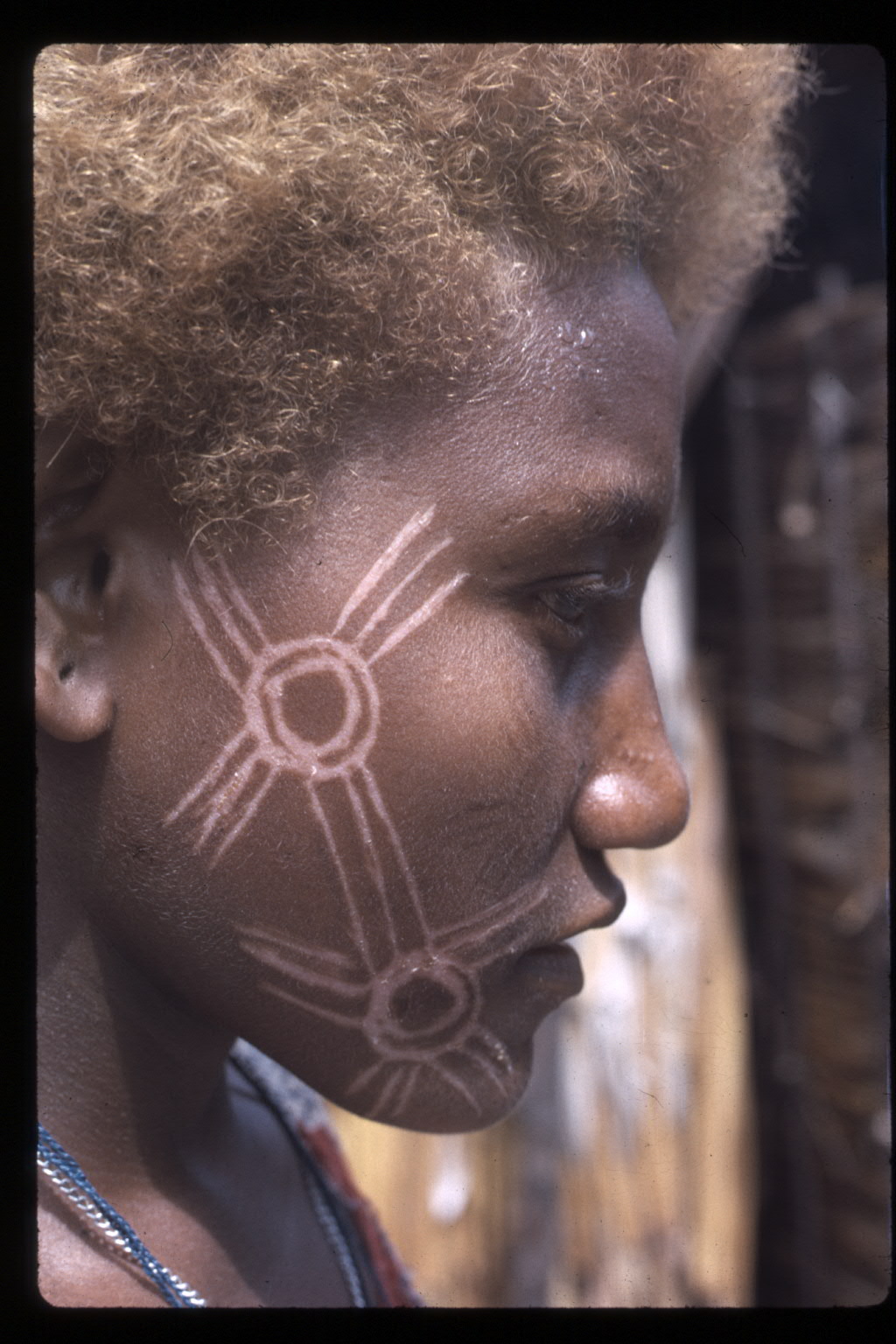

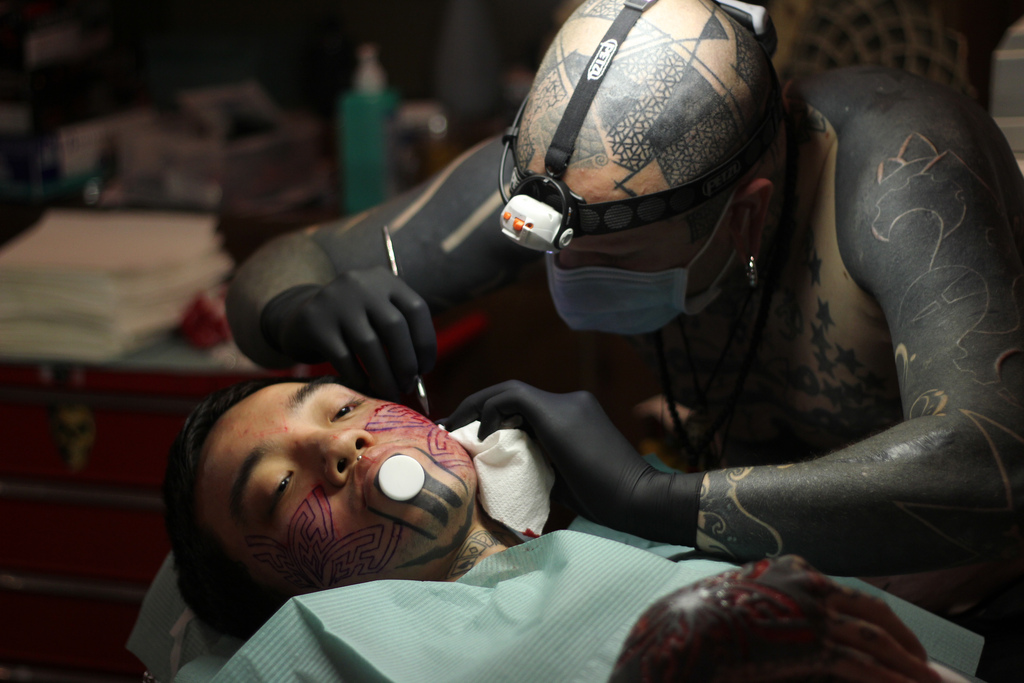
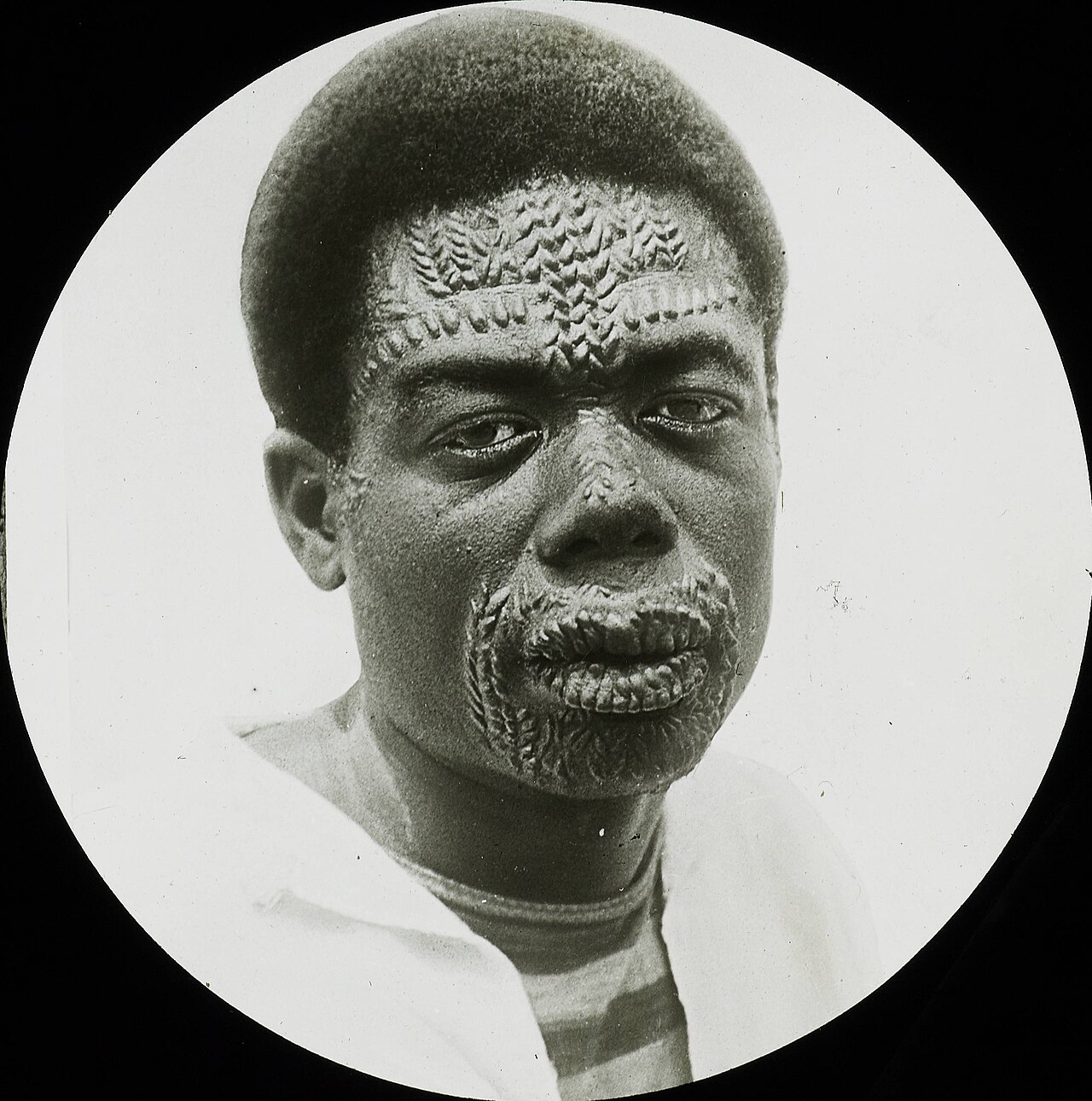
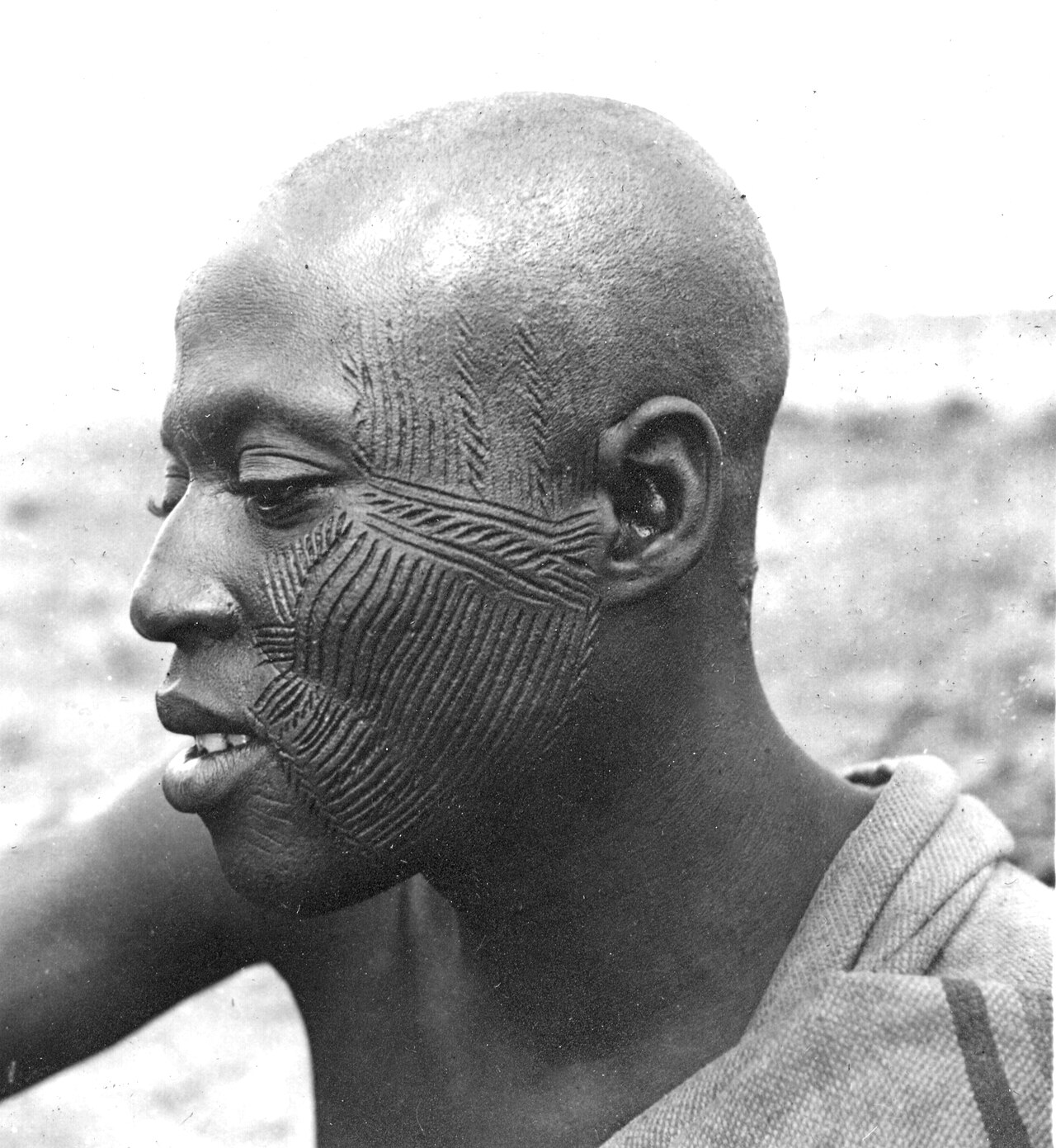
Scarification is a form of body modification that has gained popularity in recent years. It is an art on the skin that goes beyond tattoos and piercings, offering modification enthusiasts a unique way to express themselves. Through techniques that create patterns and designs on the skin, scarification allows individuals to customize their bodies in a way that is both aesthetic and meaningful. In this guide, we will explore the world of personalized scarification, its styles, care, and the current trends that are paving the way in this fascinating form of body art.
What is Scarification?
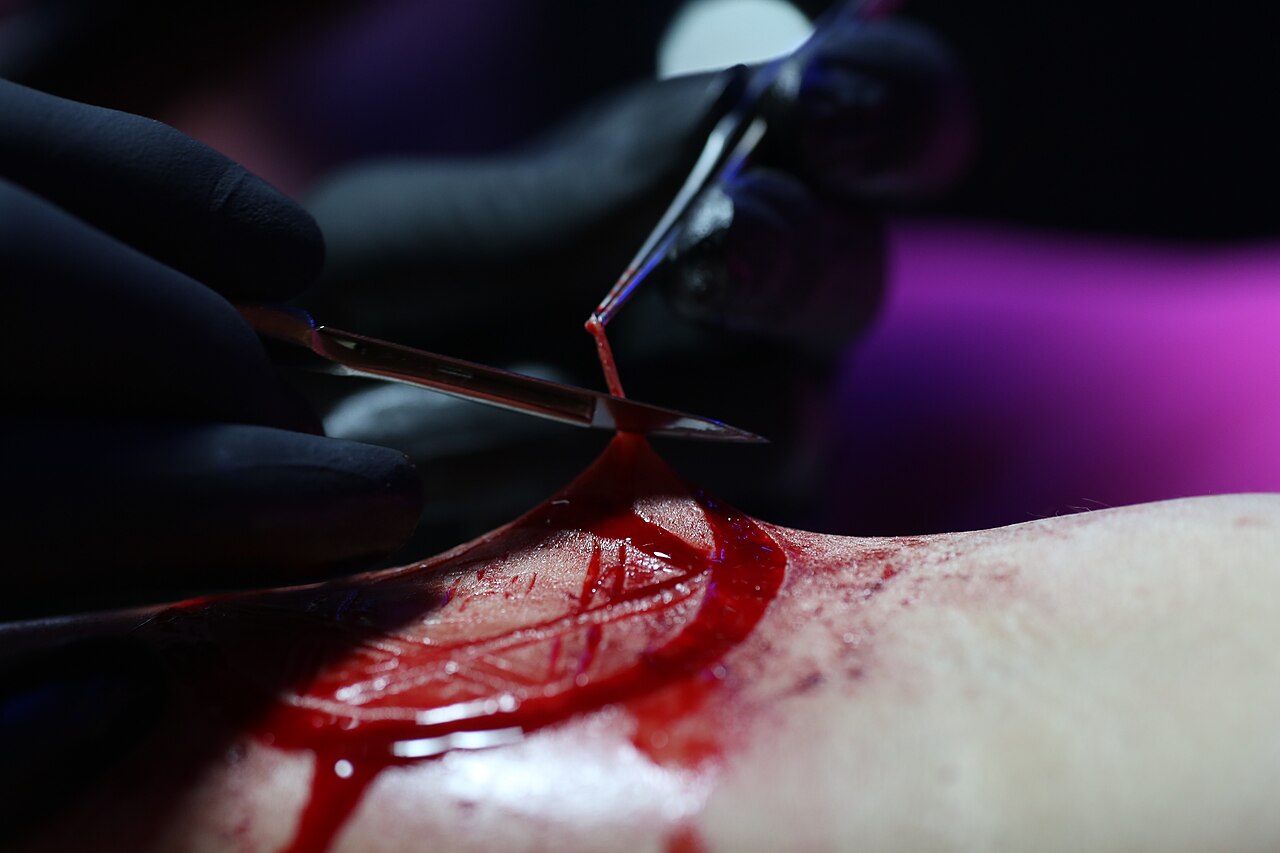
Scarification is a process in which permanent marks are created on the skin by the controlled removal of layers of tissue. Unlike tattoos, which use ink to create designs, scarification uses the skin itself as a canvas. This process can result in a variety of textures and patterns, ranging from simple lines to intricate designs that tell a personal story. Scarification is an art form that requires a high level of skill and experience, making it essential to choose a professional and reputable artist.
Styles and Types of Scarification
There are several styles of scarification, each with its own characteristics and techniques. Some of the most popular include:
- Linear Scarification: This involves creating fine, precise lines on the skin, which can form geometric patterns or abstract designs.
- Relief Scarification: This style aims to create a three-dimensional effect, where the marks on the skin protrude or sink, adding depth to the design.
- Artistic Scarification: Here, artists combine different techniques to create complex works of art that may include elements of culture and nature.
Each style has its own appeal and can be tailored to the personal preferences of the individual. Personalized scarification allows each person to express their identity in a unique way.
Location and Techniques of Scarification
The location of the scarification on the body is crucial for the final result. Some areas are more suitable than others, depending on the design and the sensitivity of the skin. The most common body parts for scarification include the arms, back, and chest. However, each person can choose the location that best fits their lifestyle and aesthetic preferences.
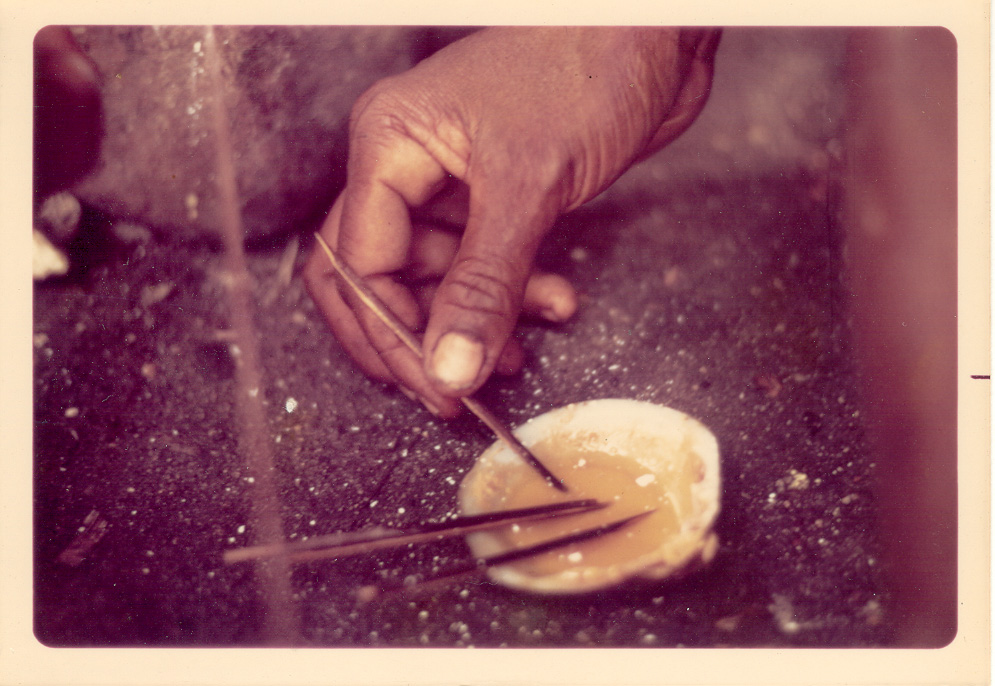
The techniques of scarification can vary, but generally involve the use of specialized tools to cut the skin in a controlled manner. It is important for the artist to have a deep understanding of the anatomy and physiology of the skin, as well as post-procedure care techniques, to ensure an optimal result and minimize the risk of complications.
Post-Scarification Care
After undergoing scarification, proper skin care is essential to ensure adequate healing and a satisfactory aesthetic result. It is advisable to follow the artist's instructions, which may include:
- Cleaning the affected area with mild soap and water.
- Applying an antibacterial cream to prevent infections.
- Avoiding sun exposure and keeping the area moisturized.
Patience is key, as healing can take time, and it is important not to rush into showing the final design. With proper care, scarification can result in a lasting work of art that highlights each person's individuality.
Trends and Inspiration in Scarification
Personalized scarification is constantly evolving, and current trends reflect a mix of cultural and artistic influences. Many artists are experimenting with mixed techniques, combining scarification with tattoos and other forms of body modification to create unique pieces. Social media has also played an important role in spreading this form of art, allowing artists to showcase their work and enthusiasts to find inspiration.
At bodibook.com, you can explore a wide range of scarification galleries that highlight the talent of artists from around the world. From minimalist designs to complex works, each piece tells a story and reflects the creativity of those who wear them. If you are interested in personalized scarification, don't hesitate to visit bodibook.com to learn more about this fascinating art on the skin.