
Photo gallery
14


![500px provided description: Guilherme Rocker Hair and Tattoo [#rock ,#haircut ,#hair ,#tattoo ,#glam ,#hair style ,#hard rock ,#tatuagem ,#guilherme rocker ,#neck tattoo]](https://www.bodibook.com/img/verticals/micropigmentacion/micropigmentacion-cuero-cabelludo-20260729-67b0ec49.jpg)

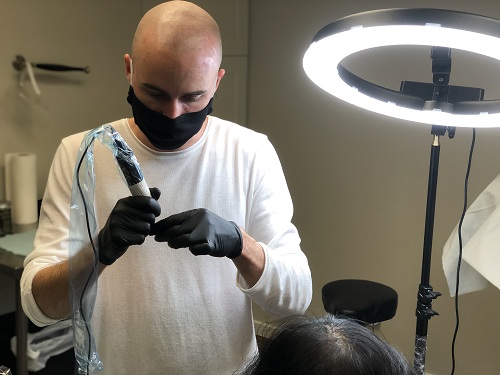
Scalp micropigmentation is an innovative aesthetic technique that has gained popularity in recent years. It is a procedure that uses special pigments to create the illusion of denser and fuller hair, ideal for those suffering from hair loss or looking to enhance their hair aesthetics. This technique is not only effective but also a less invasive option compared to hair transplants. In this article, we will explore in depth what scalp micropigmentation is, the different styles and techniques, as well as care tips and current trends.
What is scalp micropigmentation?
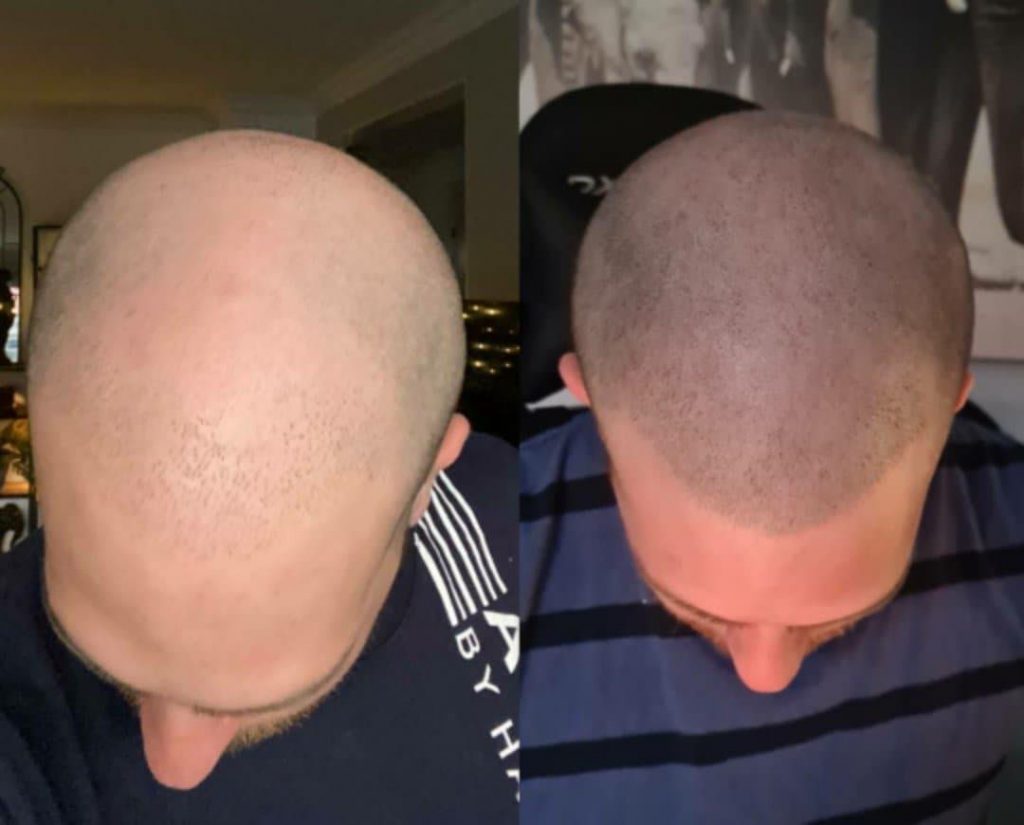
Scalp micropigmentation is a procedure that involves the application of pigments in the dermis of the scalp. This technique simulates the appearance of hair follicles, creating a visual effect that helps conceal baldness or areas of lower hair density. Unlike traditional tattoos, the pigments used are specifically designed for the scalp, ensuring greater naturalness and durability.
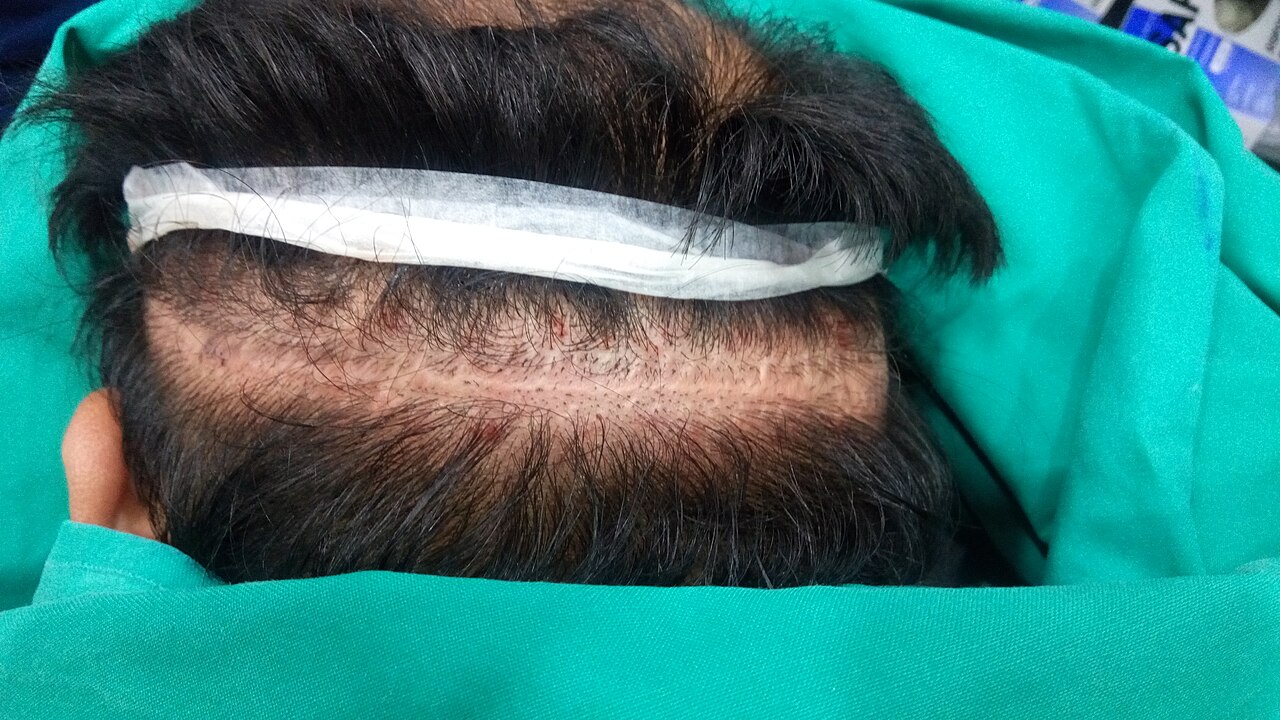
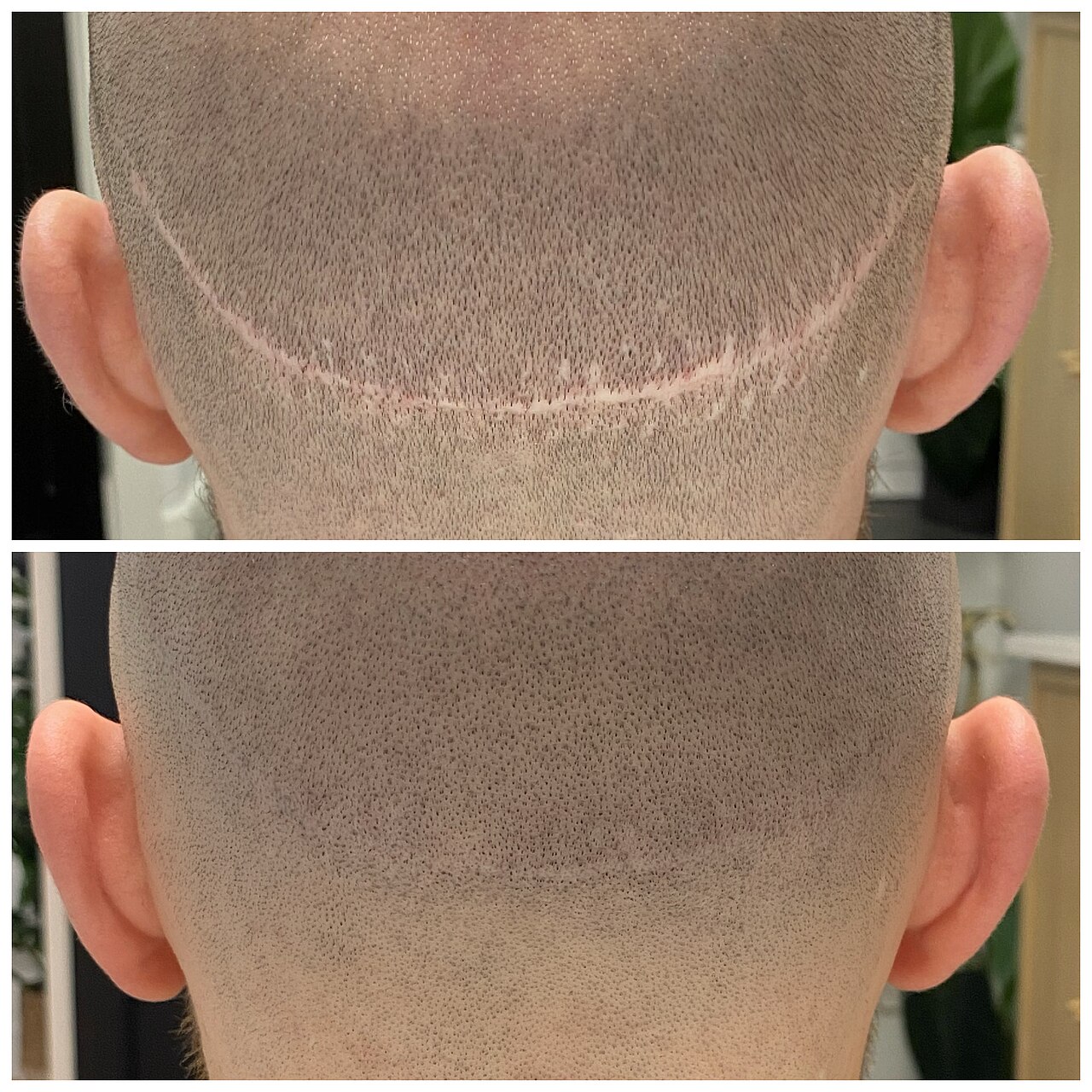
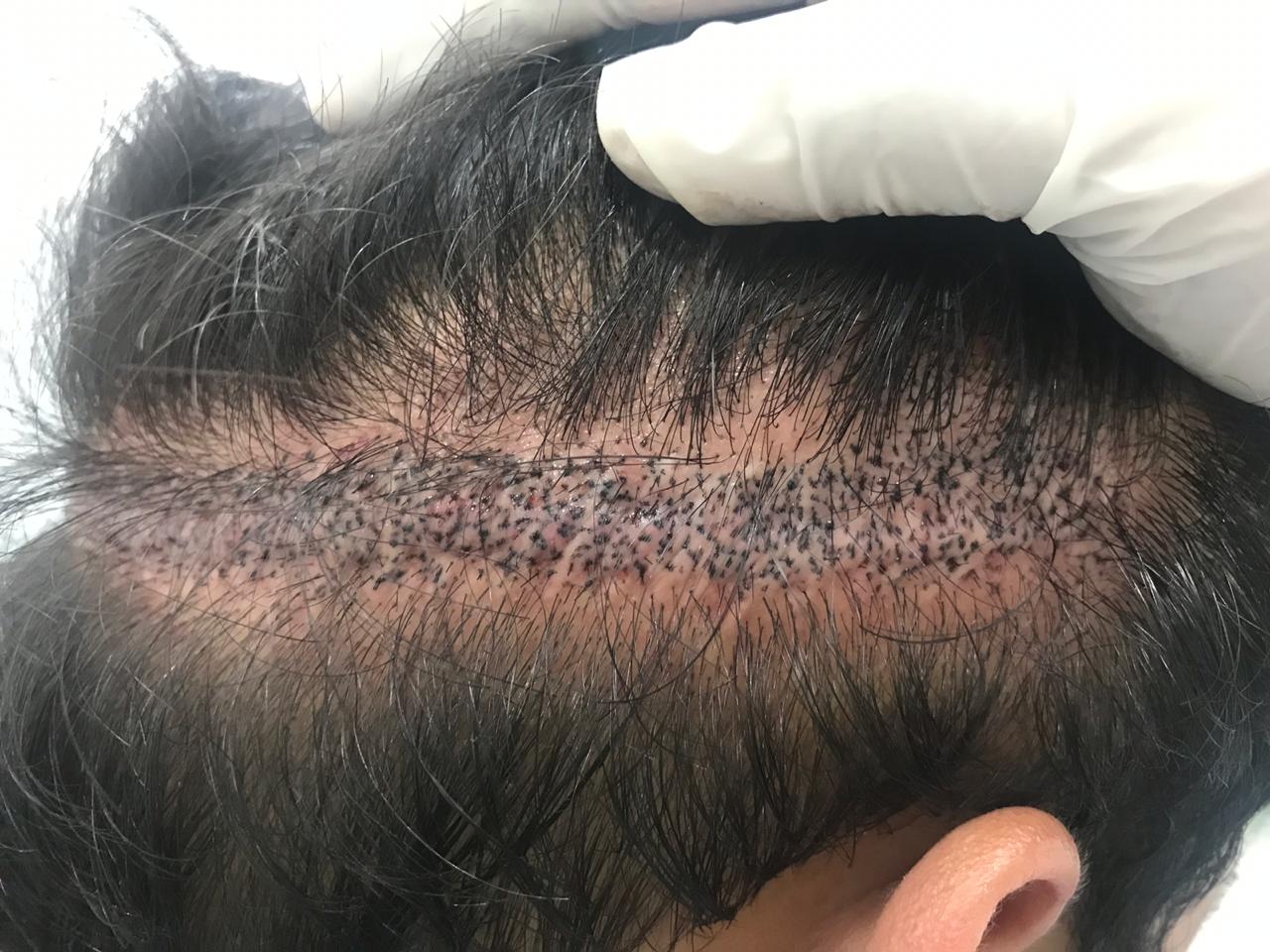
This procedure is ideal for both men and women seeking an aesthetic solution to hair loss. Additionally, it is important to mention that micropigmentation is not just for those with baldness; it can also be used to cover scars or improve the shape of the hairline.
Styles and techniques of micropigmentation
There are different styles of micropigmentation that can be tailored to the needs and preferences of each individual. Some of the most popular include:
- Short hair style: Ideal for those who prefer a more modern and carefree look. It simulates the appearance of a very short haircut.
- Long hair style: Used to give the impression of greater density in long hair, through the application of pigments that blend with the natural hair color.
- Scar correction: This technique is used to conceal scars on the scalp, creating a visual effect that makes them less noticeable.
The choice of style will depend on the desired appearance and the recommendations of the specialist performing the procedure.
Post-procedure care
After undergoing scalp micropigmentation, it is essential to follow certain care instructions to ensure proper healing and pigment durability. Some tips include:
- Avoid direct sun exposure for at least two weeks after the procedure.
- Do not wet the scalp during the first few days.
- Use gentle and specific products for scalp care.
Additionally, it is advisable to schedule follow-up appointments with the specialist to assess the progress of the procedure and make touch-ups if necessary.
Current trends in micropigmentation
Scalp micropigmentation has evolved, and new techniques and trends have developed that make it even more appealing. Currently, methods such as hair microblading are being used, which allows for a more natural and realistic effect, as well as the use of organic pigments that are less invasive and safer for the skin.
Moreover, color and shape customization have become essential, allowing each person to achieve a unique result tailored to their personal style.
Inspiration from real photos
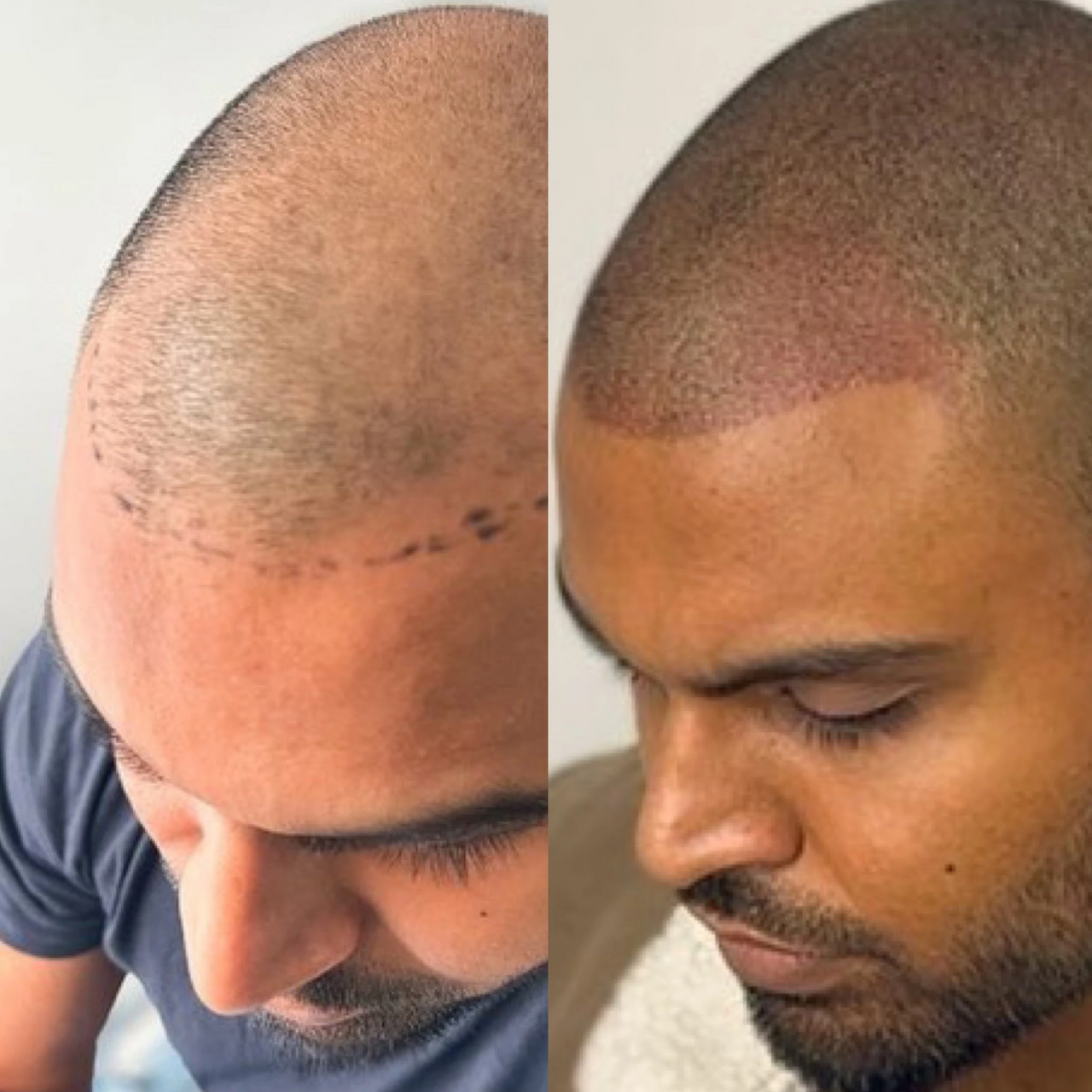
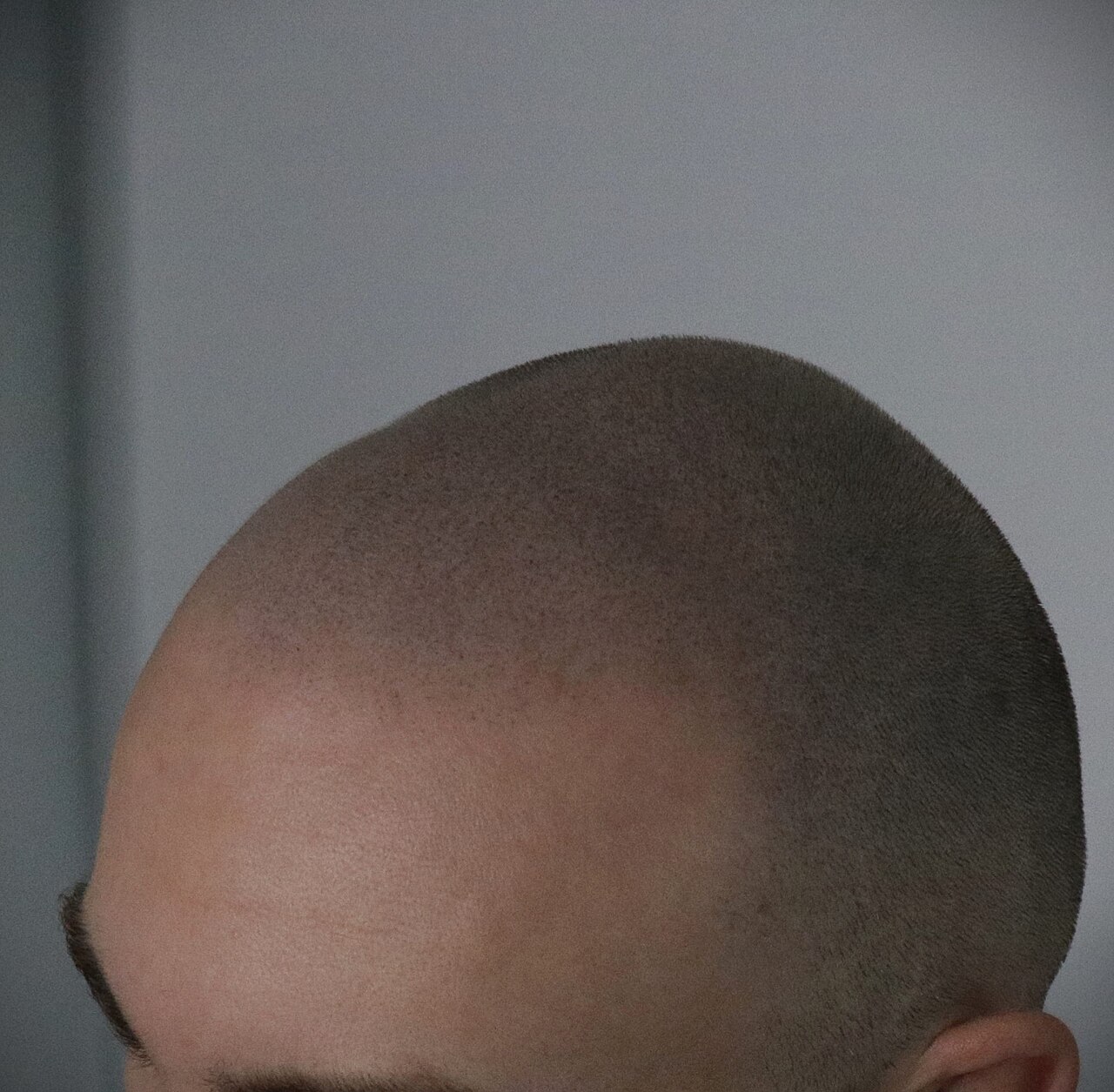
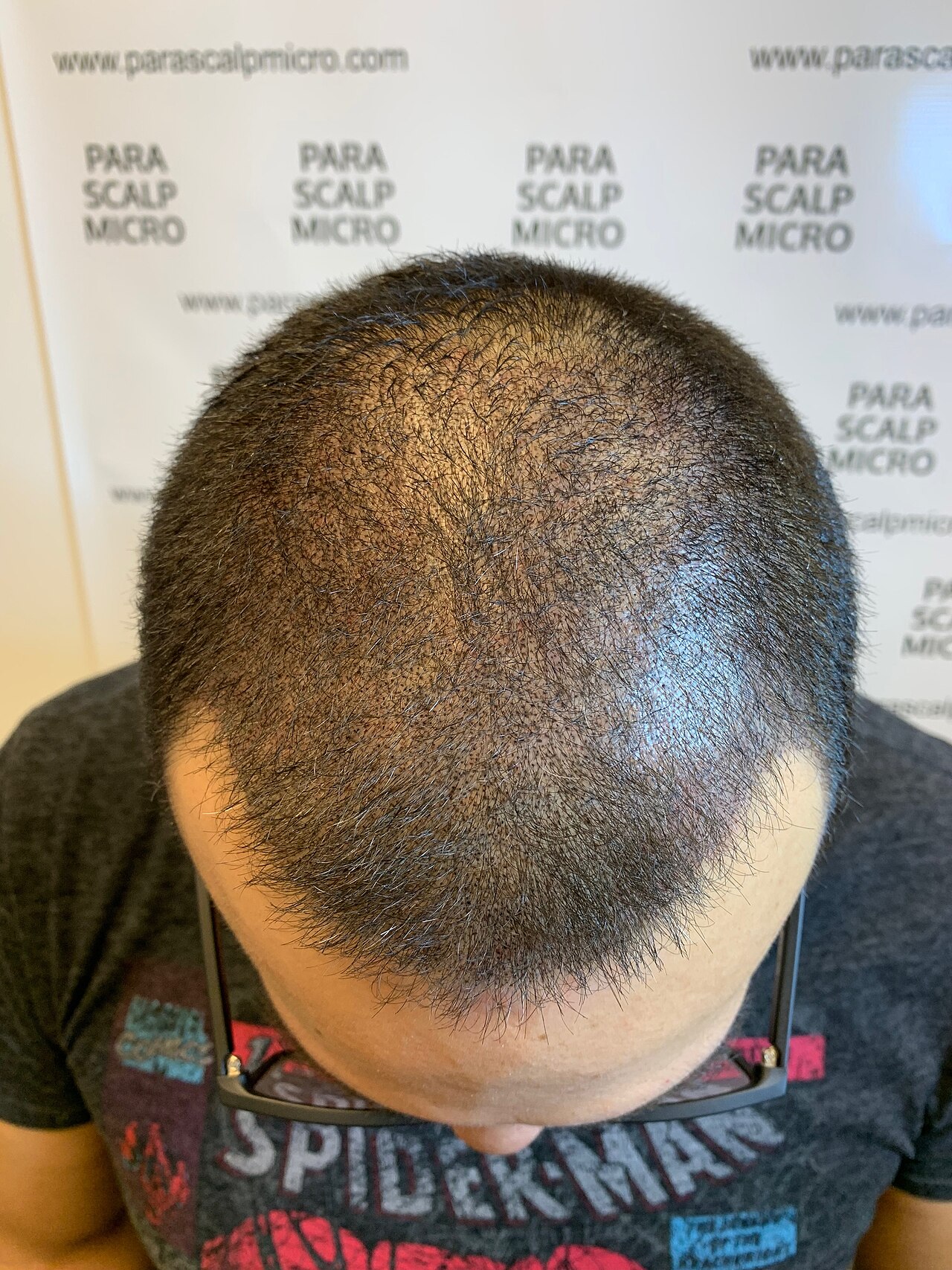
One of the best ways to visualize the results of scalp micropigmentation is through real photos of people who have opted for this procedure. At bodibook.com, you can explore various galleries showcasing before and after images of micropigmentation, giving you a clear idea of what can be achieved. These images not only serve as inspiration but also help set realistic expectations about the final result.
In conclusion, scalp micropigmentation is an excellent option for those looking to enhance their hair appearance effectively and less invasively. If you are interested in learning more about this technique and seeing real examples, we invite you to explore the galleries at bodibook.com, where you will find a wide variety of styles and results that will inspire your decision.