
Photo gallery
16
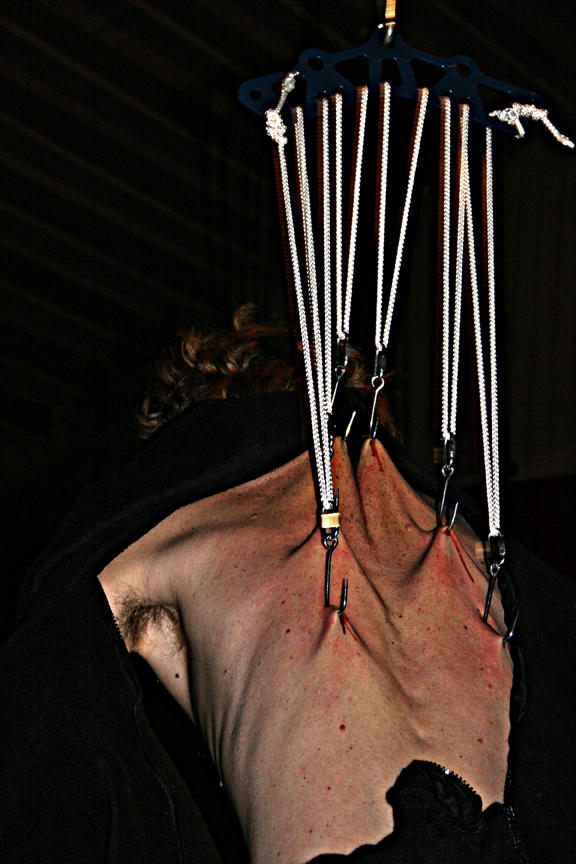
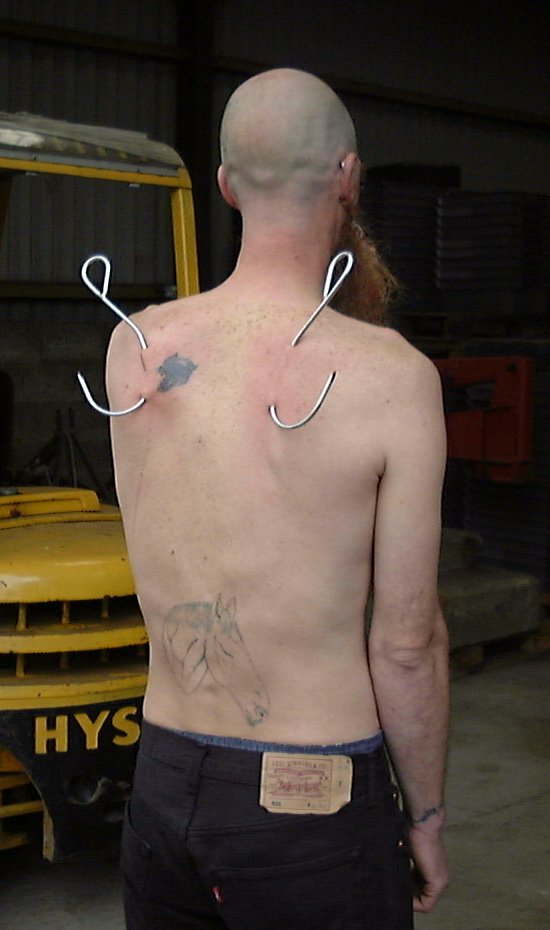
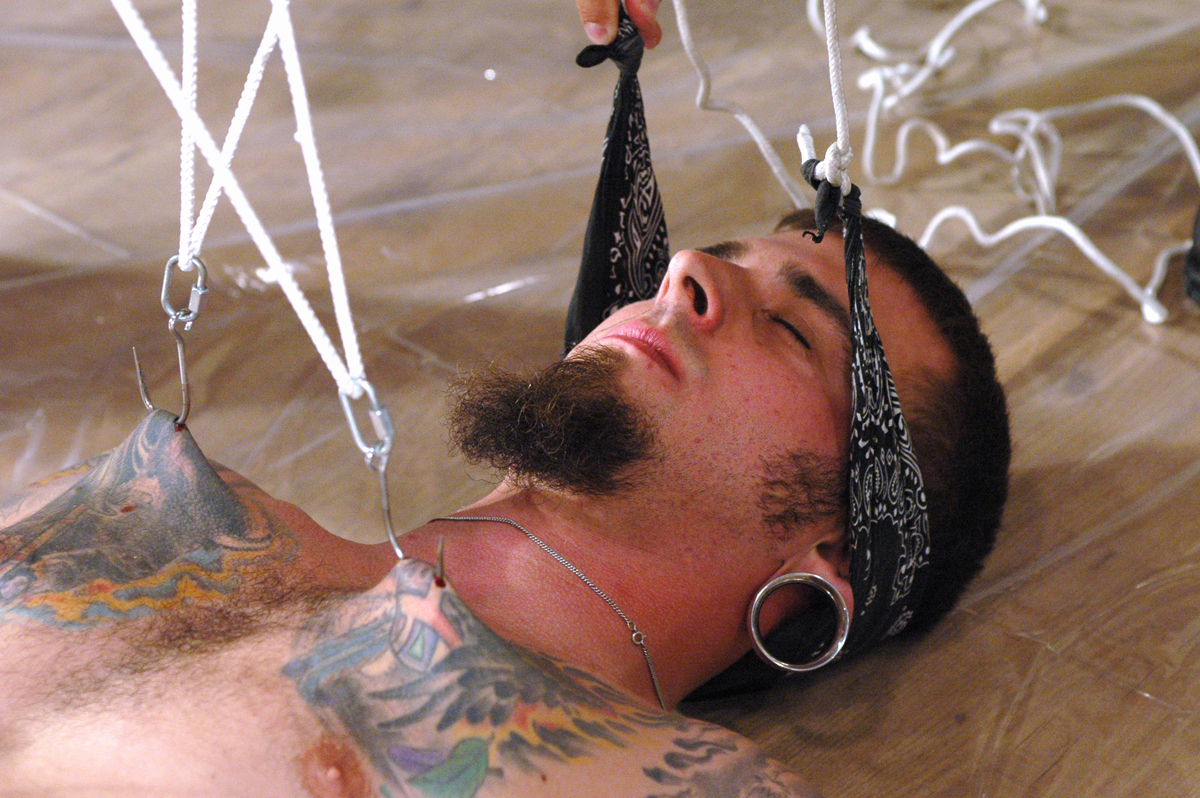


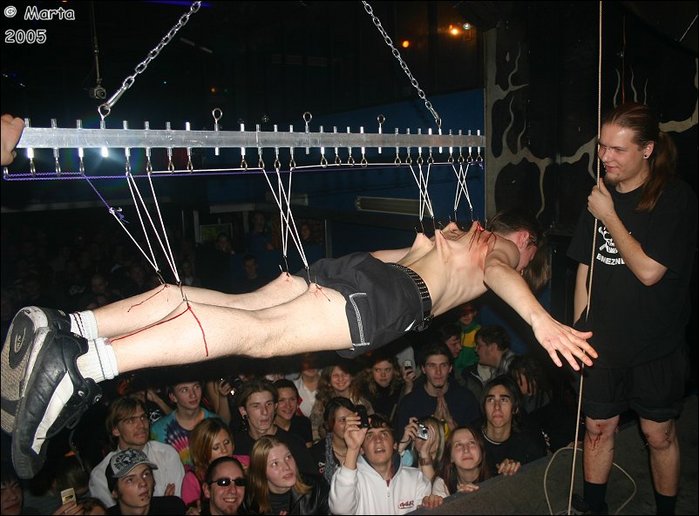

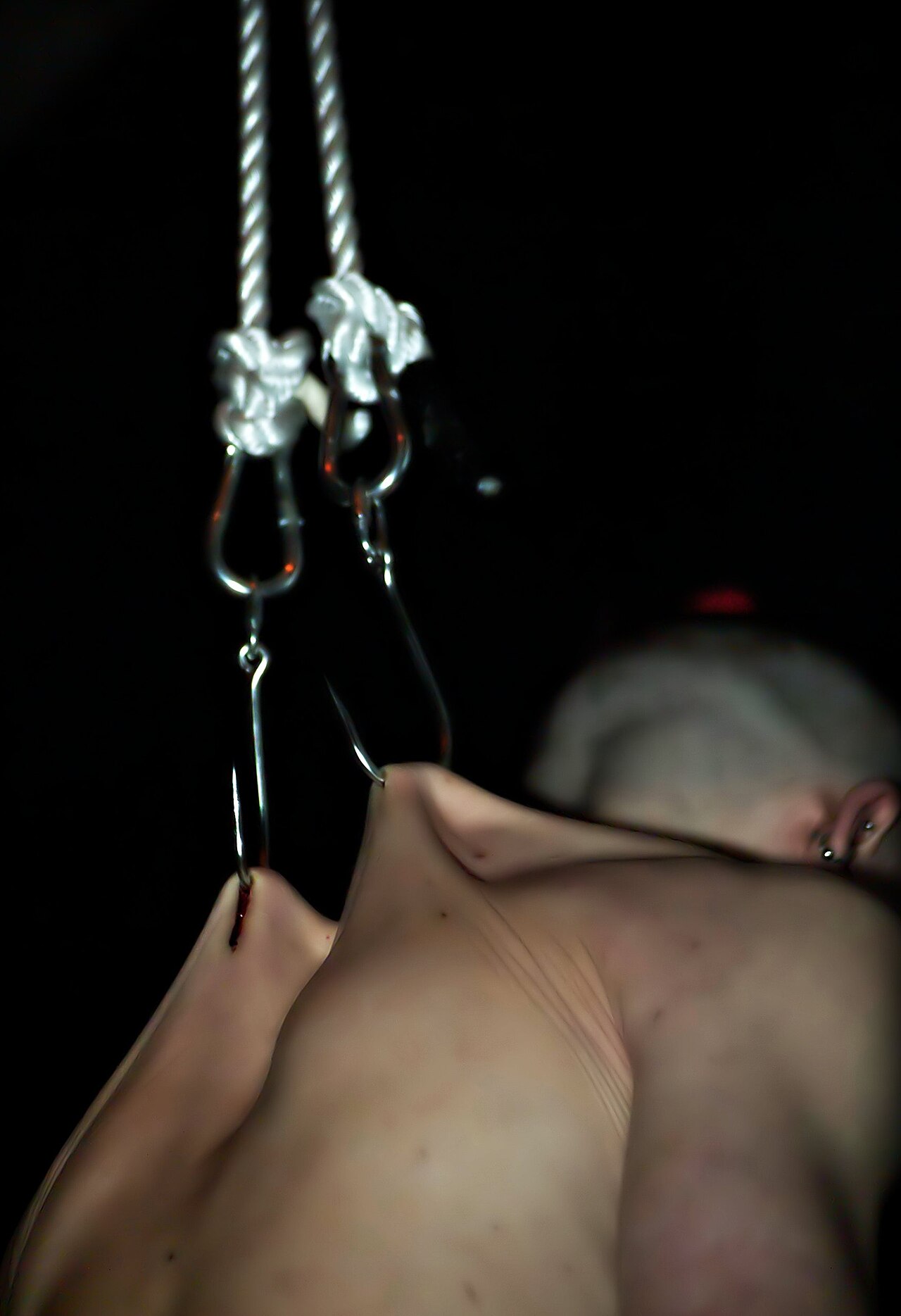


Body suspension is a fascinating practice that has gained popularity in the world of body modification. This technique is not only a means of artistic expression but can also be a spiritual and emotional experience for those who choose it. At bodibook.com, we explore this art in depth, analyzing its different styles, techniques, and necessary care for those who wish to embark on this unique journey.
What is Body Suspension?
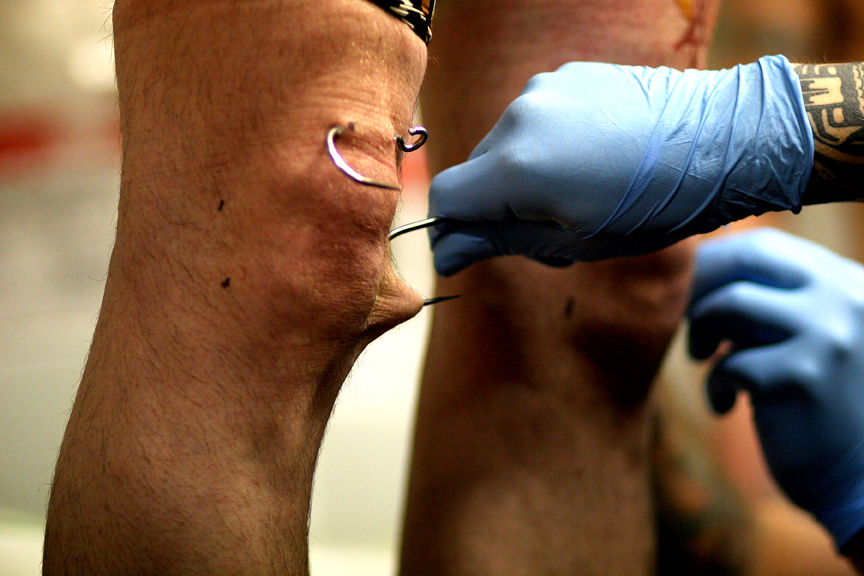
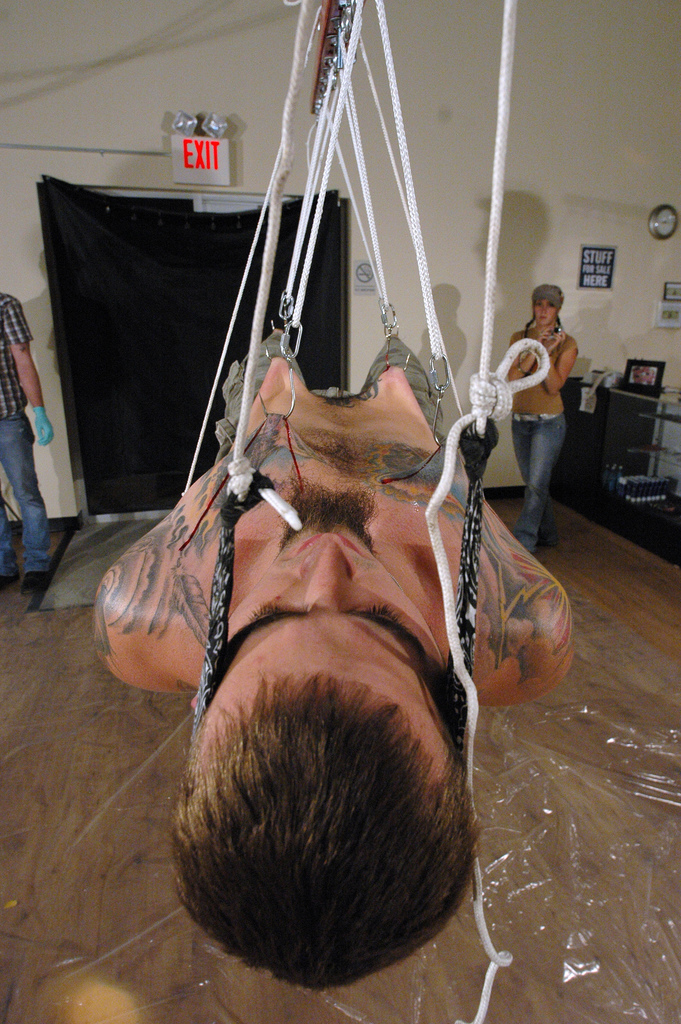
Body suspension involves hanging the body from hooks or anchors that are inserted into the skin. This practice has roots in various cultures around the world, where it was used in ritual ceremonies and as a way to demonstrate resilience and spiritual connection. Today, suspension has transformed into a performative art form and an expression of personal freedom.
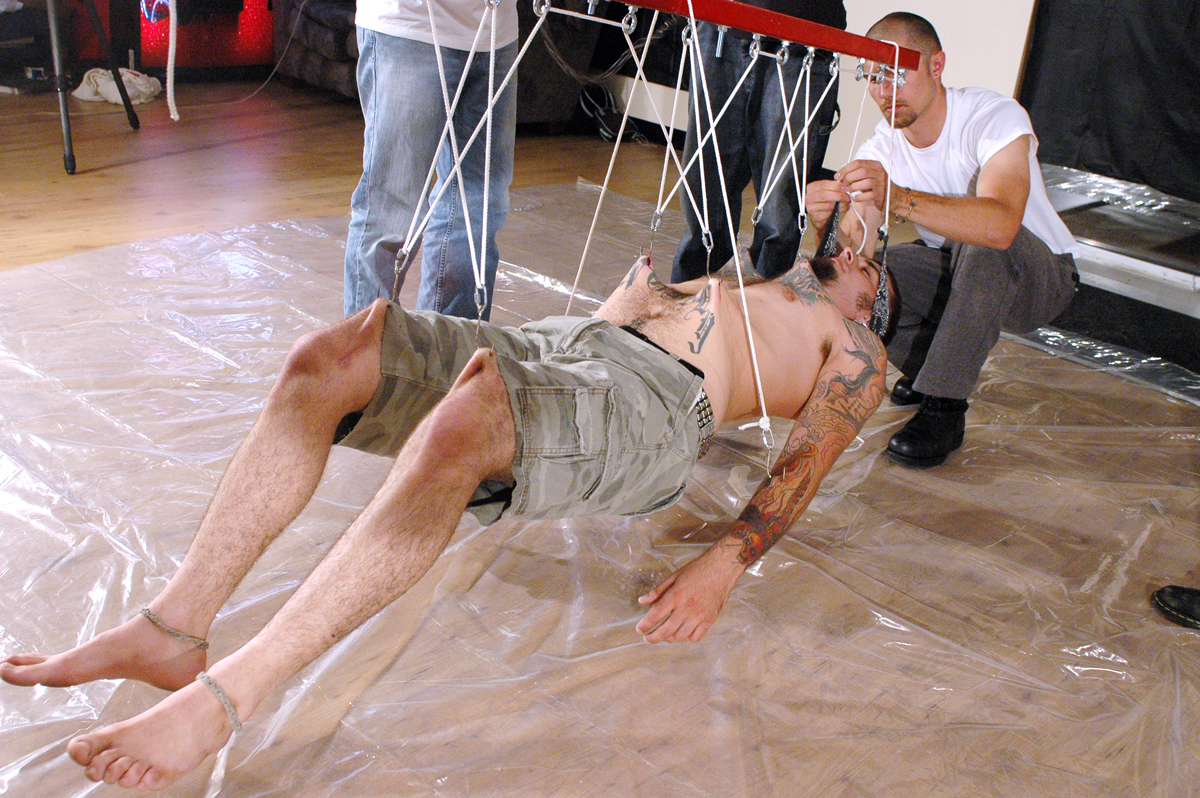
There are different types of suspension, each with its own characteristics and purposes. Some of the most common styles include the "T" suspension, which allows for a flying experience, and the "Y" suspension, which offers a more balance-focused and meditative approach.
Styles and Types of Suspension
The styles of suspension can vary greatly, depending on the artist's intention and the individual's preferences. Some of the most popular styles are:
- T Suspension: One of the most common, allowing the body to be suspended in the air, creating a sense of freedom.
- Y Suspension: Focused on balance and connection, ideal for those seeking a more introspective experience.
- Side Suspension: This technique allows the body to remain in a lateral position, offering a unique perspective.
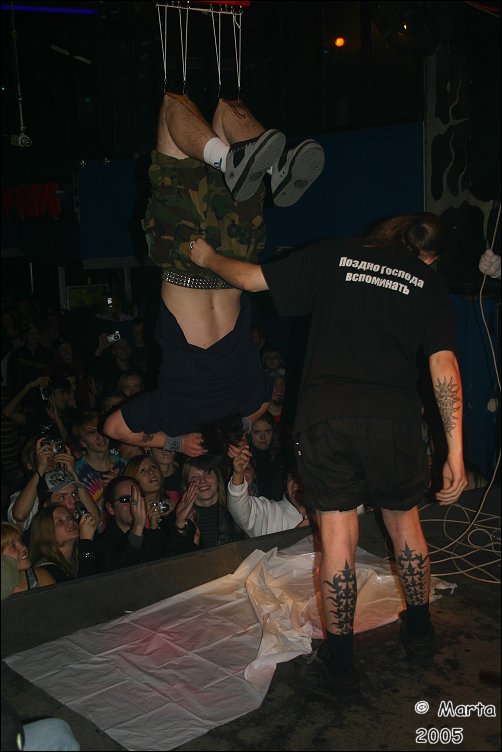
- Vertical Suspension: Involves hanging vertically, which can be both a physical and mental challenge.
Each style has its own meaning and can be chosen based on the experience one wishes to have. The choice of style is crucial for making the experience as enriching as possible.
Techniques and Placement
The placement of the hooks is a critical aspect of body suspension. An experienced professional should perform this task, ensuring that the hooks are placed in safe and appropriate areas of the body. The most common areas for hook placement are the back, shoulders, and hips, although each individual may have different preferences.
During the process, it is essential to maintain open communication with the artist. This not only ensures safety but also allows for a more enjoyable and personalized experience. Additionally, it is important to keep in mind that body suspension can be an intense experience, both physically and emotionally, so mental preparation is equally crucial.
Post-Suspension Care and Maintenance
After suspension, caring for the insertion points is fundamental to avoid infections and ensure proper healing. It is recommended to follow these tips:
- Clean the area with a mild antiseptic to prevent infections.
- Avoid contact with water for at least 48 hours after suspension.
- Wear loose clothing to avoid irritating the skin.
- Follow up with the artist to ensure that healing progresses properly.
Post-suspension care is not only important for physical health but can also influence the emotional experience of the person, helping to process what was experienced during the suspension.
Trends and Inspiration
Body suspension has evolved and adapted to contemporary trends in body art. More and more artists are incorporating visual and performative elements into their sessions, creating experiences that are both visually stunning and deeply meaningful. At events and festivals, suspension is presented as a spectacle that attracts crowds, offering a blend of art and emotion.
For those seeking inspiration, bodibook.com offers a wide gallery of images of suspensions performed by artists from around the world. These photos not only showcase the aesthetic beauty of suspension but also capture the essence of the experience lived by the participants.
If you are interested in exploring more about body suspension and seeing impactful examples, we invite you to visit the galleries at bodibook.com. Here you will find a community passionate about the art of the body, where each image tells a unique story.